


Send Message
Privacy statement: Your privacy is very important to Us. Our company promises not to disclose your personal information to any external company with out your explicit permission.



In modern engineering, Titanium Bar has evolved from a niche material to an indispensable component across aerospace, automotive, medical, and industrial manufacturing. As a high-performance Titanium Material, titanium bars deliver unmatched performance that steel, aluminum, and plastics cannot replicate.
For global procurement managers in medical device manufacturing, OEM/ODM, petroleum, and chemical industries, ASTM F136 Titanium Bar represents the gold standard for precision-critical applications. At Baoji Pengshengxin Non-Ferrous Metal Co., Ltd (PSX), we specialize in manufacturing premium titanium bars that power innovation in modern engineering and medical technology.
These properties make Titanium Alloy and Titanium Bar the first choice for high-reliability engineering solutions worldwide.
Compared to stainless steel, cobalt alloys, PVC, polypropylene, and polyethylene, ASTM F136 Titanium Bar offers superior longevity, biocompatibility, and structural stability. Medical and engineering components made from titanium bars outperform traditional materials in long-term implant applications, structural support, and harsh-environment performance.
The global titanium engineering and medical materials industry is undergoing rapid transformation driven by precision manufacturing and biocompatibility innovation. Leading manufacturers are integrating AI quality control and ultra-precision machining to enhance the performance of Titanium Bar products, especially ASTM F136 Titanium Bar for surgical implants. Advanced surface modification technologies improve osseointegration for medical components, while closed-loop recycling reduces carbon footprints. The industry also focuses on miniaturization for micro medical devices and high-precision engineering parts, with strict compliance to international medical and industrial standards. PSX stays at the forefront of these trends, leveraging cutting-edge production to deliver titanium bars that meet the strictest global engineering and medical requirements.
European and American procurement managers prioritize five critical factors when sourcing Titanium Bar and ASTM F136 Titanium Bar. First, full compliance with ASTM, ISO, and medical-grade certifications is mandatory for safety and market access. Second, dimensional precision up to ±0.001mm ensures compatibility with automated manufacturing and implant design. Third, traceable material composition and third-party testing reports build trust for medical and industrial applications. Fourth, stable supply chains and on-time delivery prevent production delays for OEM/ODM manufacturers. Fifth, customization capabilities for small-batch, multi-specification orders align with medical device production needs. PSX directly addresses all these concerns with certified production, strict inspection, global logistics, and flexible manufacturing.
Breakthrough R&D in titanium material science is expanding the applications of Titanium Bar across biomedical engineering and high-tech industries. PSX’s expert R&D team—including 8 PhD material scientists and 10+ professional engineers—develops patented processing technologies for ASTM F136 Titanium Bar that enhance biocompatibility and surface finish. Advanced Titanium CNC Machining enables production of complex, small-batch medical parts like orthopedic implants, dental components, and pacemaker parts. New applications include implantable electrodes, skull reconstruction devices, and minimally invasive surgical tools. These innovations position titanium bars as a cornerstone of next-generation medical engineering, supporting safer, more durable implantable devices worldwide.
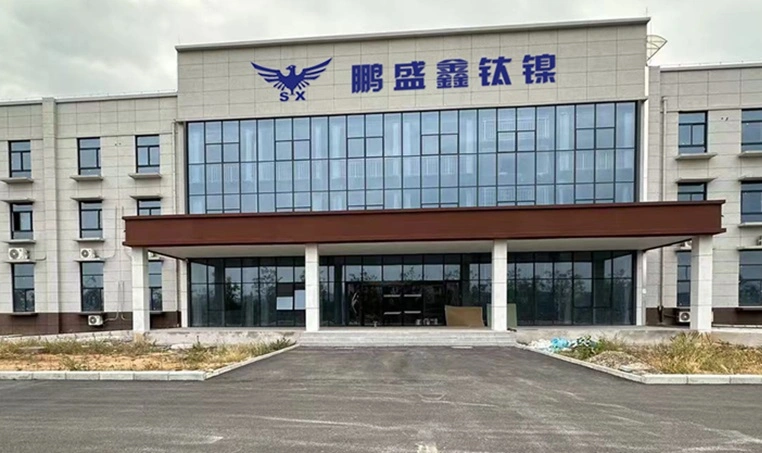
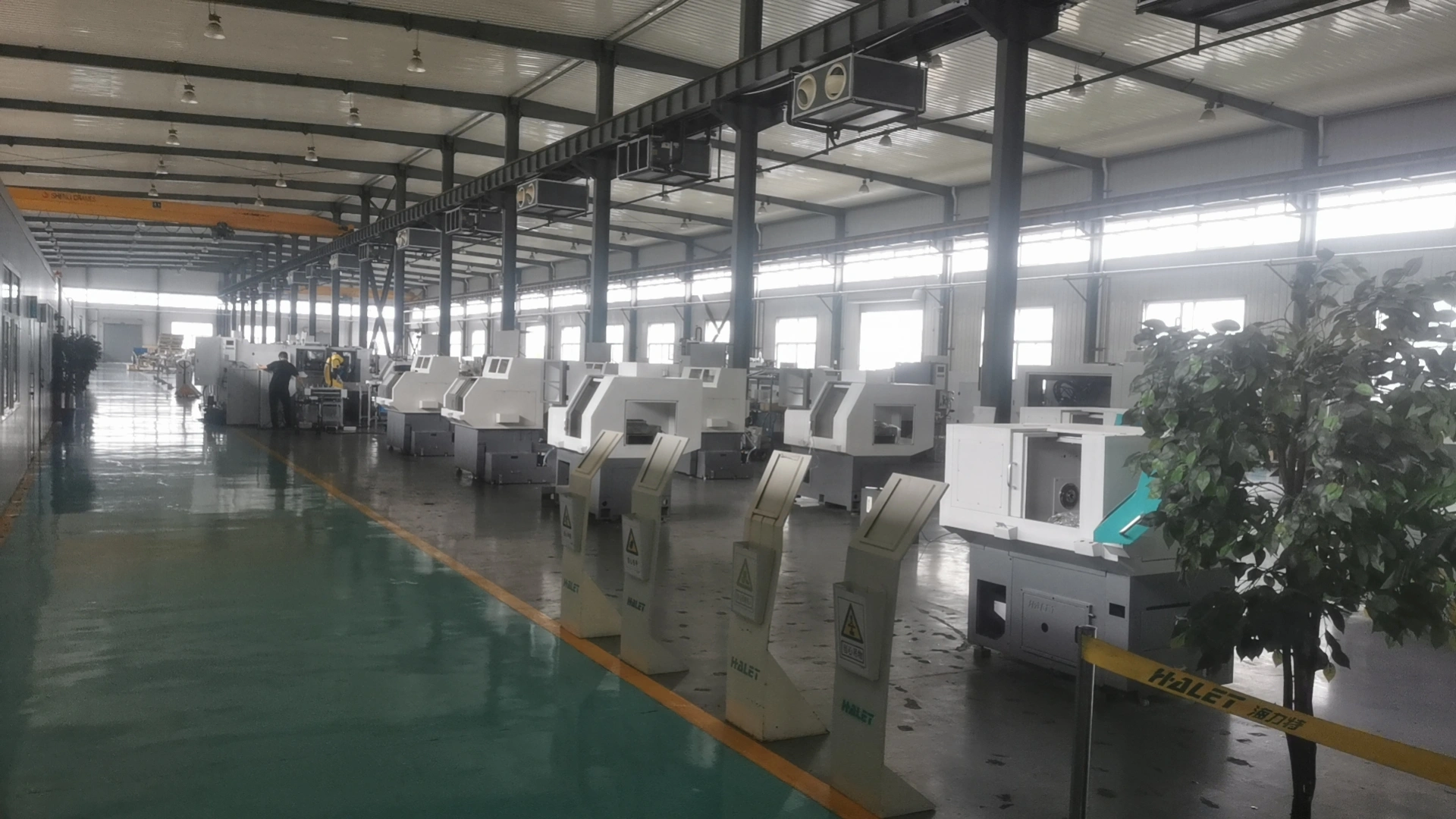
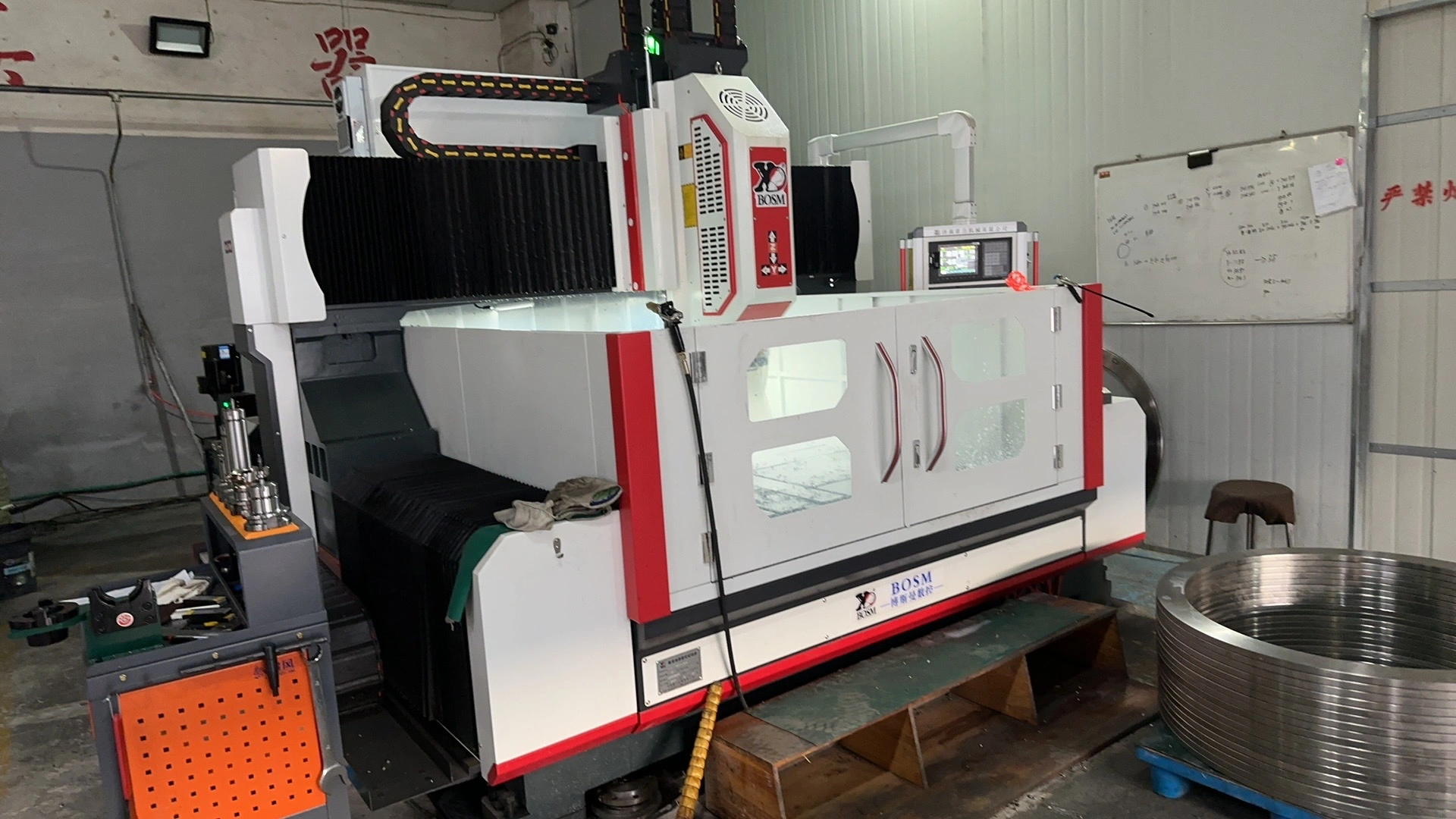
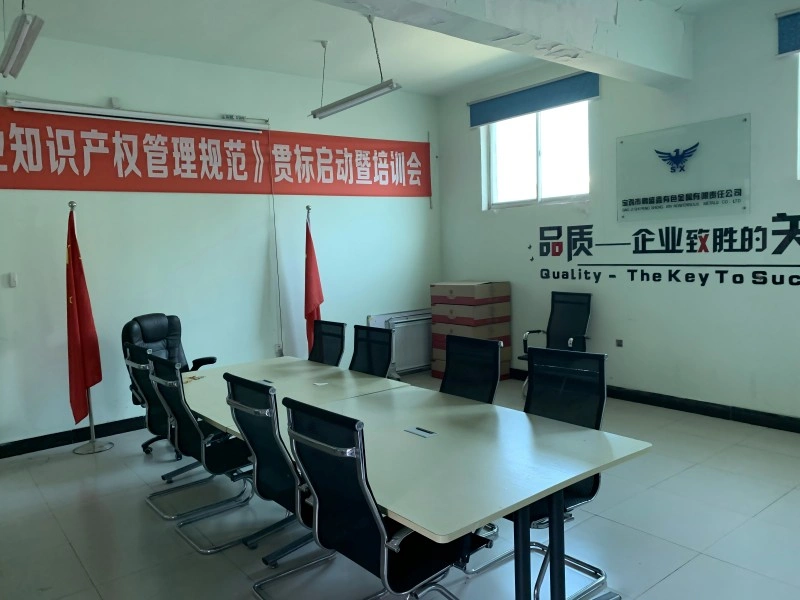
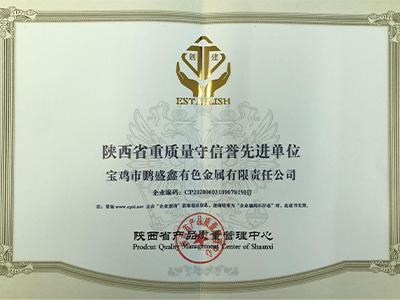
Located in China’s Titanium Valley, PSX operates a 5,000+ ㎡ modern production facility equipped with imported CNC machining centers, vertical milling machines, and precision lathes. Our infrastructure supports mass production and custom manufacturing of Titanium Bar, Titanium Flange, Titanium Tube, and Titanium Forging products.
Our world-class R&D team focuses on titanium alloy innovation and medical-grade material optimization. We hold multiple patents and maintain ISO9001 and GJB9001C-2017 certifications, ensuring every ASTM F136 Titanium Bar meets global quality and safety standards.
ASTM F136 Titanium Bar is the leading material for modern medical engineering, widely used in orthopedic surgery, implantable devices, and dental applications:
PSX provides high-quality medical titanium materials with full engineering support for design, processing, and development stages.
PSX ASTM F136 Titanium Bar complies with strict international medical and industrial standards:
All our Titanium Bar products include complete certification and test reports for global buyers.
Q1: What is ASTM F136 Titanium Bar?
A: ASTM F136 Titanium Bar is the premium medical-grade Titanium Rod standard for surgical implants, orthopedics, and dental devices.
Q2: Why choose titanium over stainless steel for medical implants?
A: Titanium offers better biocompatibility, corrosion resistance, and lighter weight for patient comfort.
Q3: Can PSX customize ASTM F136 Titanium Bar?
A: Yes, we provide custom diameters, lengths, and precision machining services for medical and engineering clients.
Q4: What certifications do PSX titanium products hold?
A: ISO9001, GJB9001C-2017, and full compliance with ASTM F136 medical standards.
Q5: What industries use PSX Titanium Bar products?
A: Medical devices, orthopedic implants, aerospace, automotive, OEM/ODM, chemical, and petroleum industries.
1. Wikipedia. (2025). Titanium Alloy Biomedical Applications. Retrieved from https://en.wikipedia.org/wiki/Titanium_alloy
2. ASTM International. (2024). Standard Specification for Titanium Bar ASTM F136. Author: ASTM Medical Materials Committee
3. Quora. (2025). Key Benefits of Titanium Bars in Modern Medical Engineering. Author: Global Biomedical Engineers Group
4. Reddit r/Manufacturing. (2025). High-Precision Titanium CNC Machining for Medical Devices. Posted by Industrial Engineering Community
5. Medical Material Forum. (2024). Biocompatibility Standards for ASTM F136 Titanium Implants. Author: Medical Materials Research Institute

September 15, 2025

September 07, 2026
Email to this supplier
September 15, 2025
September 07, 2026
Privacy statement: Your privacy is very important to Us. Our company promises not to disclose your personal information to any external company with out your explicit permission.
Fill in more information so that we can get in touch with you faster
Privacy statement: Your privacy is very important to Us. Our company promises not to disclose your personal information to any external company with out your explicit permission.