

Send Message
Privacy statement: Your privacy is very important to Us. Our company promises not to disclose your personal information to any external company with out your explicit permission.

 PSX · Baoji Pengshengxin Non-Ferrous Metal Co., Ltd.
For procurement managers in oil & gas, chemical processing, offshore engineering, environmental protection, and OEM manufacturing, selecting the right titanium grade directly impacts equipment lifespan, structural safety, and total project cost. Among commercial pure titanium grades under ASTM B265, Gr4 Titanium Sheet is the highest-strength option, making it a preferred choice for heavy-duty industrial applications.

High Grade Gr4 Titanium Sheet for Industrial Use — PSX supplies industrial-grade titanium sheet with strict ASTM B265 compliance.
Commercial pure titanium grades are defined primarily by interstitial element content, especially oxygen and iron. As the grade number increases, tensile strength and yield strength generally rise, while ductility may decrease slightly. Gr1, Gr2, Gr3, and Gr4 all belong to the commercially pure titanium family, but they are not interchangeable for high-load structural applications.
Gr4 Titanium Sheet is the highest-strength commercially pure titanium grade. Compared with Gr1 and Gr2, it offers significantly higher mechanical properties while maintaining excellent corrosion resistance. This combination makes it particularly valuable for chemical processing equipment, offshore components, pressure vessel parts, and high-stress machinery structures.
In this comparative analysis, we evaluate Gr4 titanium sheet against Gr1, Gr2, and Gr3 based on mechanical properties, corrosion resistance, weldability, fabrication characteristics, cost, and industrial applications.
Industrial high-purity Gr4 titanium sheet, also known as Grade 4, UNS R50700, DIN 3.7065, or TA4, is produced through vacuum melting and precision hot rolling or cold rolling. PSX manufactures this material under strict process control to ensure consistent chemical composition and stable mechanical performance.
Key characteristics of PSX high-grade Gr4 titanium sheet include:
Because Gr4 is stronger than Gr2, engineering teams can sometimes reduce sheet thickness while meeting pressure or structural requirements. This design flexibility is one reason Gr4 titanium sheet is increasingly specified for demanding industrial projects.
Mechanical performance is the most important differentiator when comparing Gr1, Gr2, Gr3, and Gr4 titanium sheet. For industrial procurement managers, selecting the appropriate grade depends on the structural load, operating pressure, and required safety margin.
Higher strength allows engineers to design lighter components or increase pressure capacity without changing the overall geometry. For example, a Gr4 titanium sheet may support higher operating loads than a Gr2 sheet of the same thickness, which can reduce material consumption and lower total cost in structural applications.
However, strength is only one part of the material selection process. Procurement teams must also consider corrosion resistance, weldability, fabrication cost, and availability.
All commercially pure titanium grades exhibit excellent corrosion resistance in many industrial environments. Titanium forms a thin, dense, and stable oxide film on its surface, which acts as a natural barrier against corrosive media.
Corrosion performance should be evaluated based on the following factors:
In many industrial corrosion environments, Gr1, Gr2, Gr3, and Gr4 offer broadly similar corrosion behavior. The practical difference is usually mechanical performance rather than pure corrosion resistance. However, because Gr4 can withstand higher structural stress, it is often the better choice when corrosion and high load occur simultaneously.
For applications such as heat exchanger plates, reactor linings, desalination equipment, and subsea components, Gr4 Titanium Sheet provides both corrosion resistance and improved structural durability.
Weldability and fabrication behavior are critical for OEMs and component manufacturers. Titanium is more sensitive to contamination than carbon steel or stainless steel, so welding and forming operations must be carefully controlled.
When properly welded with inert gas shielding, titanium can maintain good corrosion resistance in the weld zone. The weld area will form a stable oxide layer similar to the base material. For Gr4 titanium sheet, the key requirement is clean preparation, low contamination, and appropriate heat input control.
Unlike some high-strength alloys, Gr4 titanium sheet does not always require complex post-weld heat treatment to restore corrosion resistance. This is a practical advantage for fabricators producing large welded structures.
Industrial buyers should consider not only the raw material price but also manufacturing yield, tool wear, welding complexity, and inspection requirements. A slightly more expensive grade may reduce total component cost if it improves structural integrity and fabrication efficiency.
Material cost is always a central concern for procurement managers. In general, Gr1 and Gr2 titanium sheet are more cost-effective for standard corrosion-resistant applications, while Gr4 is typically more expensive due to tighter process control and higher mechanical properties.
However, the total cost of ownership depends on more than just list price:
For high-stress applications, Gr4 titanium sheet may offer a lower total cost by extending equipment life and reducing maintenance risk. For low-pressure or non-structural corrosion parts, Gr2 remains the more economical choice.
PSX supplies titanium material solutions for a wide range of industrial customers, including OEM manufacturers, distributors, and engineering contractors. Our product portfolio also covers titanium rod, titanium tube, titanium flange, and titanium CNC machining parts.
Recent advances in titanium sheet production focus on improved process control, higher batch consistency, and better integration with downstream manufacturing. Industrial buyers are now placing greater emphasis on traceability, digital documentation, and real-time quality data rather than just material delivery.
One important trend is the tighter control of interstitial elements such as oxygen, iron, and hydrogen. By maintaining stable chemical composition throughout the production process, manufacturers can reduce property variation between batches and improve reliability in critical applications.
Another trend is the integration of rolling, cutting, and inspection capabilities into a single supply chain. This allows suppliers to deliver not just raw sheet, but also precision blanks, machined parts, and certified subassemblies.
PSX has invested in advanced production equipment and quality inspection systems to support these trends. Our factory workshop is equipped with modern rolling, cutting, and testing facilities, enabling us to meet the increasing demands of industrial buyers for consistent quality and fast delivery.
Western procurement managers evaluating titanium sheet suppliers typically focus on five major areas: material compliance, mechanical performance, traceability, delivery reliability, and technical support.
First, compliance with international standards such as ASTM B265 is essential. Buyers need clear documentation of chemical composition, mechanical properties, and inspection results.
Second, mechanical performance must match the application. A material that meets minimum specs may not be sufficient for high-pressure or high-stress designs, so buyers prefer suppliers with consistent production control.
Third, traceability is critical. Each batch should be identifiable through material test reports, heat numbers, and clear packaging labels.
Fourth, delivery reliability affects production planning. Industrial buyers need suppliers who can handle both small sample orders and large-scale production orders with predictable lead times.
Fifth, technical support helps reduce selection errors. A supplier who understands grade differences, fabrication requirements, and application conditions can help buyers choose the most cost-effective material.
Titanium sheet technology continues to evolve through improved melting, rolling, surface treatment, and non-destructive testing methods. One area of development is thinner-gauge high-strength titanium sheet for lightweight industrial structures. By increasing strength while maintaining formability, manufacturers can reduce material usage and lower component weight.
Another area is improved surface quality and dimensional control. Better flatness, tighter thickness tolerance, and consistent surface condition reduce downstream processing time and improve assembly quality.
In addition, digitalization of quality records is becoming more important. Modern suppliers are expected to provide organized inspection data, material traceability, and fast access to certificates.
PSX continues to invest in process improvement and product development. Our technical team works on Titanium Forging , precision machining, and special-shaped component manufacturing to support evolving industrial requirements.
Proper use and maintenance can extend the service life of Gr4 titanium sheet components. Although titanium has excellent corrosion resistance, improper handling can still lead to contamination, surface damage, or premature failure.
Industrial titanium sheet is commonly produced and inspected according to ASTM B265, which covers titanium and Titanium Alloy strip, sheet, and plate. This standard includes requirements for chemical composition, tensile properties, dimensions, tolerances, and inspection.
Other relevant specifications may include ASTM F67 for medical applications and various customer-specific engineering standards. It is important to note that industrial-grade Gr4 titanium sheet and medical-grade titanium are not interchangeable.
Procurement managers should verify the following before ordering:
PSX is based in Baoji High-Tech Development Zone, known as China’s Titanium Valley. Since 2008, we have focused on the production, processing, and distribution of titanium and non-ferrous metals. Our 5,000+ ㎡ facility supports everything from raw material processing to precision component manufacturing.
Our production ecosystem includes advanced rolling, cutting, shearing, CNC machining, and testing equipment. This integrated capability allows us to control quality through every stage of production, from titanium ingot to finished sheet and machined components.
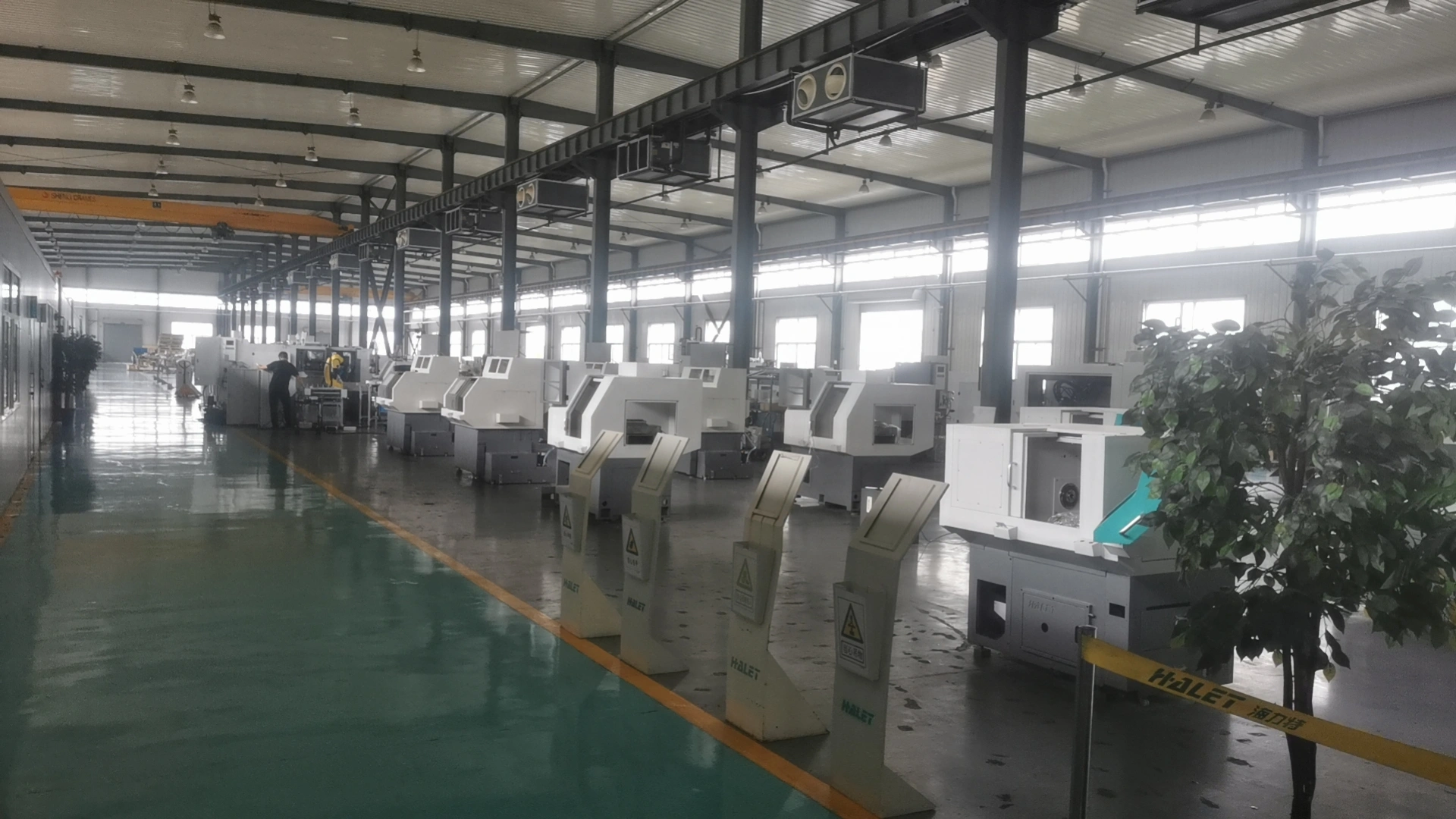
PSX Production Workshop
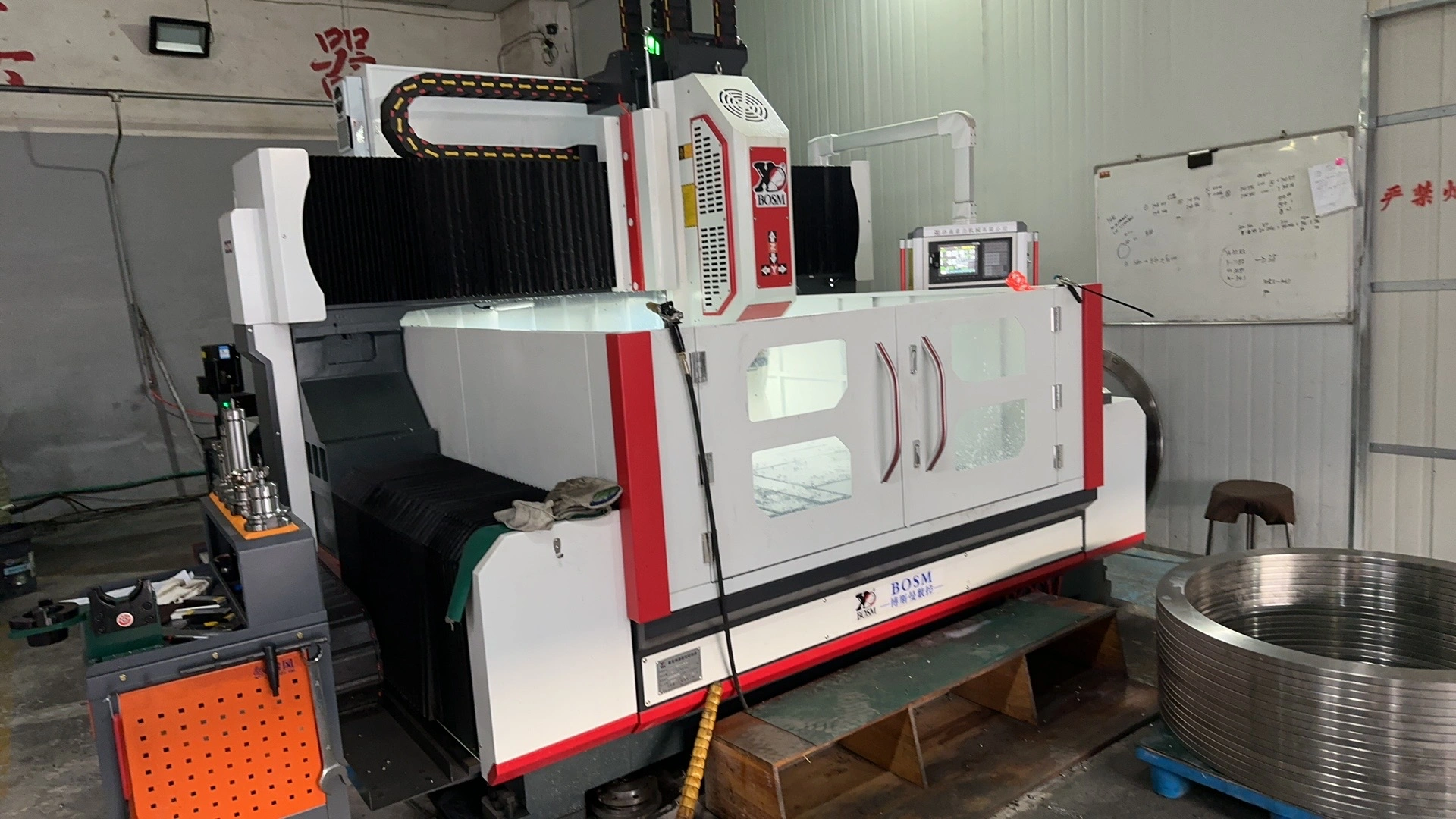
PSX Advanced Manufacturing Equipment
PSX has built a strong technical team with more than ten professional engineers and multiple PhD-level specialists. Our R&D work focuses on material process optimization, precision forming, and improved product reliability. We have also developed a range of titanium products, including titanium ingot, titanium shaped parts, and custom industrial components.
PSX holds ISO9001 and GJB9001C-2017 certifications. Every production batch undergoes strict inspection, including chemical analysis, mechanical testing, dimensional checking, and optional ultrasonic testing. This quality system ensures that our Gr4 Titanium Sheet meets both industrial standards and customer-specific requirements.
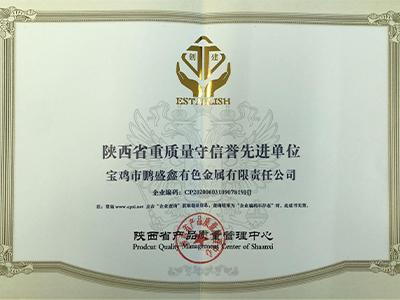
PSX Honor Certificate

PSX Quality Certificate
Selecting the right titanium grade depends on a clear understanding of operating conditions, structural requirements, corrosion environment, and total cost. For low-load corrosion applications, Gr1 or Gr2 may be sufficient. For medium-pressure parts, Gr3 can offer a practical balance.
However, for high-stress structures, pressurized components, and combined corrosion and load conditions, Gr4 Titanium Sheet is often the best choice. Its higher tensile and yield strength, combined with good corrosion resistance and weldability, makes it a reliable material for demanding industrial environments.
PSX helps industrial procurement managers make better material decisions by providing technical data, custom manufacturing, flexible order support, and full certification. Whether you need standard sheet, precision blanks, or finished titanium components, our team can support your project from inquiry to delivery.
A1: Gr2 is a general-purpose grade with moderate strength, while Gr4 titanium sheet has the highest strength among commercially pure titanium grades. Gr4 is better for high-stress and high-pressure applications.
A2: No. Industrial-grade Gr4 titanium sheet is manufactured for industrial applications. Medical-grade titanium must comply with ASTM F67 and additional high-purity and clean production requirements.
A3: Yes. With proper inert gas shielding and clean preparation, Gr4 titanium sheet can be welded while maintaining good corrosion resistance.
A4: Yes. Every batch of PSX Gr4 titanium sheet is accompanied by an MTC, and we support SGS or third-party inspection upon request.
A5: Yes. PSX supports small sample cutting and delivery. Sample fees and shipping costs can often be credited against future bulk orders.
PSX offers a full range of titanium products for industrial procurement. For more information, please visit the following product pages:

September 15, 2025

October 23, 2026

October 22, 2026
Email to this supplier
September 15, 2025
October 23, 2026
October 22, 2026
Privacy statement: Your privacy is very important to Us. Our company promises not to disclose your personal information to any external company with out your explicit permission.
Fill in more information so that we can get in touch with you faster
Privacy statement: Your privacy is very important to Us. Our company promises not to disclose your personal information to any external company with out your explicit permission.