


Send Message
Privacy statement: Your privacy is very important to Us. Our company promises not to disclose your personal information to any external company with out your explicit permission.


BT22 Titanium Rod (domestic equivalent grade TC18) is a premium near‑β titanium alloy independently optimized based on Russian high‑end aerospace titanium standards, with a precise Ti‑5Al‑5Mo‑5V‑1Cr‑1Fe multi‑element alloy composition. As a special high‑strength Titanium Rod without equivalent ASTM grades in the US standard system, it cannot be replaced by mainstream medical titanium materials such as Gr5, Gr19 or Gr23.
Compared with traditional TC4/Gr5 α‑β titanium alloys widely used in the medical industry, BT22 Titanium Rod boasts outstanding full‑section hardenability, ultra‑high strength reserve and structural stability. It effectively solves common industry pain points of traditional medical titanium parts, including uneven heat treatment, insufficient core strength and easy fatigue fracture of large‑size structural components. While widely applied in aerospace, military and deep‑sea oil and gas fields, BT22’s excellent mechanical stability and potential biocompatibility also make it an emerging high‑performance material for high‑end medical devices and implant equipment.

Medical devices and human implant materials have extremely strict requirements for strength, toughness, fatigue resistance and structural safety. After professional solution treatment and aging heat treatment, BT22 Titanium Rod shows comprehensive performance far exceeding conventional medical titanium alloys, fully adapting to long‑term stable service in medical scenarios:
Most medical device manufacturers currently adopt TC4/Gr5 titanium alloys for conventional implant parts, but traditional materials have obvious limitations in high‑load, large‑size and long‑service medical scenarios. BT22 Titanium Rod, as an upgraded high‑end alternative, fills the performance gap of traditional medical titanium materials:
Relying on its ultra‑high strength, stable toughness and excellent environmental adaptability, BT22 Titanium Rod has gradually become an emerging preferred material for high‑end medical equipment manufacturing, covering multiple core medical fields:
Orthopedic implants require materials to withstand long‑term human body load, cyclic movement and body fluid corrosion, with extremely high requirements for fatigue resistance and structural stability. Traditional Gr5 titanium alloys are prone to fatigue failure and structural loosening in high‑load orthopedic implantation scenarios, while BT22 Titanium Rod perfectly solves these pain points.
BT22’s ultra‑high strength and high toughness can meet the long‑term bearing needs of human bone support, effectively resisting micro‑deformation and fatigue fracture caused by daily human activities. Its uniform large‑section hardenability ensures stable performance of large orthopedic fixing plates and thick implant bolts, avoiding local performance attenuation. In addition, its excellent body fluid corrosion resistance prevents implant material oxidation and precipitation, reducing the risk of postoperative inflammation and rejection, greatly improving the safety and service life of orthopedic implant products.
Dental medical equipment and high‑load dental implant auxiliary structures put forward strict requirements on material precision, strength and durability. Although pure titanium and conventional titanium alloys are widely used in dental implants, they have insufficient strength for heavy‑load dental repair and auxiliary support structures.
BT22 Titanium Rod provides high‑strength material support for customized dental implant brackets, fixed auxiliary parts and dental rehabilitation correction devices. Its high precision processing performance supports ultra‑fine size customization, matching the high‑precision assembly requirements of dental medical equipment. At the same time, its lightweight feature reduces the pressure of oral auxiliary devices on oral tissues, and stable corrosion resistance adapts to long‑term humid oral environment and daily cleaning and disinfection, ensuring the safety and durability of dental medical equipment.
Spinal surgery implants belong to high‑risk and high‑load medical devices, which need to bear the bending, torsion and alternating load of human spine movement for a long time, requiring materials to have ultra‑high fatigue resistance and structural stability. BT22 near‑β titanium alloy has unique advantages in spinal implant manufacturing.
Compared with traditional titanium materials, BT22 can maintain stable structural performance under long‑term complex alternating loads, effectively avoiding structural relaxation and fatigue damage of spinal fixation rods and support parts. Its reasonable strength‑toughness matching realizes flexible bearing, which is more in line with the biomechanical characteristics of human spine, reducing the stress shielding effect between implants and human bone tissue, and promoting postoperative bone healing and rehabilitation. It is an ideal high‑performance material for new‑generation spinal minimally invasive implantation and spinal correction devices.
Biocompatibility is the core standard for judging whether metal materials can be used for human implant devices. High‑quality BT22 Titanium Rod produced by PSX adopts high‑purity smelting and zero‑impurity processing technology, with stable chemical properties, no heavy metal precipitation and no biological toxicity.
The material has excellent histocompatibility and blood compatibility, will not cause immune rejection, inflammation and tissue irritation after long‑term implantation in the human body. Its stable corrosion resistance prevents chemical reaction and material deterioration in human body fluid environment, ensuring long‑term biological safety of implanted devices. All PSX medical‑grade BT22 materials strictly comply with medical metal safety specifications, and undergo professional biocompatibility testing to meet global medical device manufacturing safety standards.
The global medical titanium material industry is developing towards high strength, high biocompatibility, ultra‑precision processing and long‑life durability in 2026. With the rapid upgrading of minimally invasive medical surgery and personalized implant technology, the market demand for high‑performance near‑β titanium alloys represented by BT22/TC18 is rising rapidly. Traditional single‑performance Gr5 titanium alloys can no longer meet the manufacturing needs of high‑load, long‑service and large‑size medical implant devices. The latest industry technologies focus on high‑purity low‑impurity smelting of medical titanium alloys, precise heat treatment performance regulation and micro‑nano surface biocompatibility modification. In addition, the integrated manufacturing mode of titanium forging + ultra‑precision CNC machining has become the mainstream of high‑end medical implant production, which effectively improves the dimensional accuracy and structural consistency of medical parts. Green and sterile production processes and full‑process quality traceability systems have also become the standard configuration of global medical titanium material manufacturers, further promoting the standardized application of BT22 high‑strength titanium rods in high‑end medical fields.
Global medical device manufacturers, medical material distributors and OEM procurement managers have formed strict standardized procurement systems for BT22 medical‑grade titanium rods, focusing on five core risk control indicators to ensure medical product safety and compliance. First, material grade authenticity and non‑substitutability, strictly verifying genuine BT22/TC18 grade to prevent replacement by ordinary Gr5 titanium alloys that fail to meet high‑load medical standards. Second, batch performance consistency, requiring uniform mechanical properties and biocompatibility of each batch of products to ensure stable mass production of medical devices. Third, complete medical‑grade certification and test reports, including biocompatibility test, corrosion resistance test, non‑destructive flaw detection and component analysis reports. Fourth, ultra‑precision processing adaptability, requiring stable material texture to support high‑precision medical part customization and secondary processing. Fifth, sterile production and clean manufacturing capacity, meeting medical industry sterile production standards to avoid material surface contamination affecting medical device safety.
In recent years, driven by the iteration of high‑end medical equipment and personalized implant technology, BT22 titanium alloy has achieved major breakthroughs in R&D innovation and medical industrial application. PSX’s professional R&D team has independently developed vacuum high‑purity smelting technology for medical‑grade BT22 materials, which effectively removes internal impurities, pores and harmful components of titanium blanks, greatly improving material compactness, biocompatibility and fatigue resistance. The segmented precise aging heat treatment technology realizes personalized strength‑toughness ratio adjustment according to different medical implant working conditions, solving the performance bottleneck of traditional single‑process heat treatment.
In terms of application innovation, optimized BT22 titanium rods have been successfully applied to new‑generation high‑load orthopedic implants, spinal correction devices and long‑life medical rehabilitation equipment, breaking the performance limitations of traditional medical titanium materials. At the same time, combined with ultra‑precision Titanium Tube and titanium profile composite processing technology, BT22 realizes integrated forming of complex medical structural parts, reducing assembly gaps and improving the overall stability and service life of medical devices, providing core material support for the upgrading of global high‑end medical equipment.
As high‑end medical special titanium materials, BT22 titanium rods implement strict cross‑industry quality and safety specifications, different from ordinary industrial titanium materials:
Founded in 2008, Baoji Pengshengxin Non‑Ferrous Metal Co., Ltd (PSX) is located in China’s Titanium Valley, owning 15+ years of high‑end titanium material R&D and export experience, specializing in customized production of aerospace and medical‑grade BT22 titanium rods and full‑series titanium products.
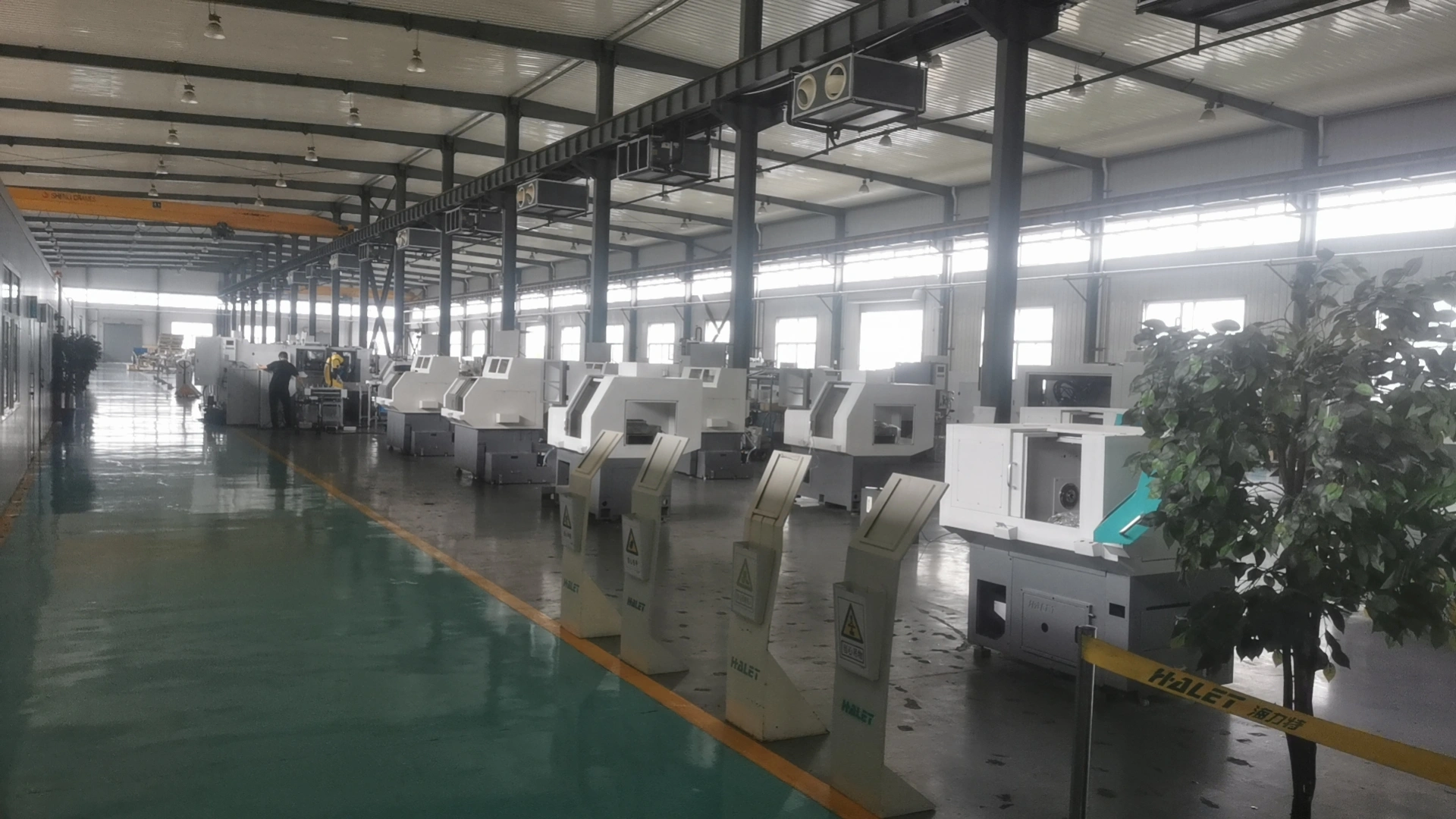
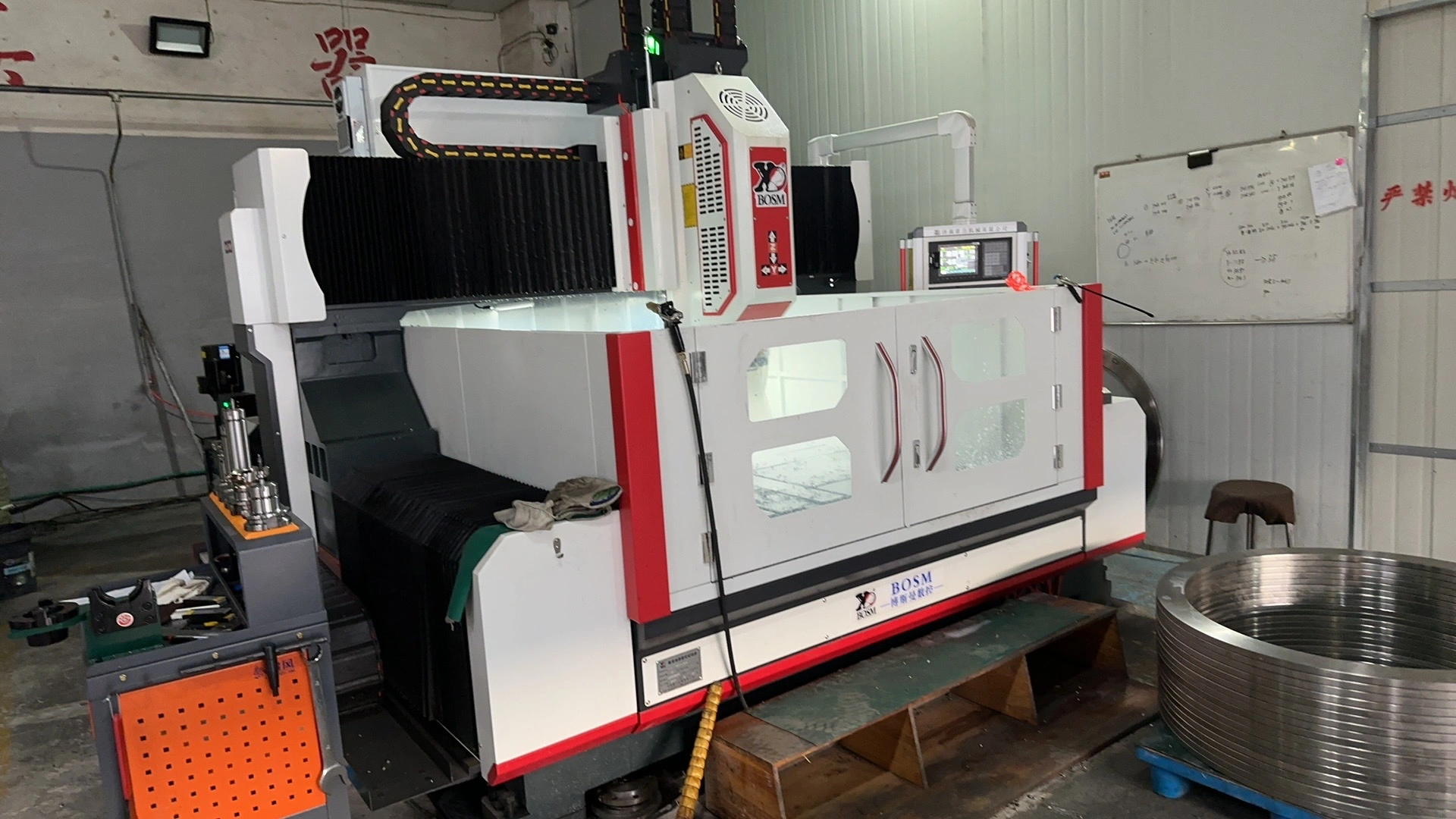
Advanced Production Hardware: The company owns a 5,000+ ㎡ modern standardized production base, equipped with imported high‑precision CNC machining centers, professional titanium forging equipment, intelligent heat treatment production lines and dust‑free sterile processing workshops. The processing precision reaches ±0.001mm, fully meeting the ultra‑high precision and sterile manufacturing requirements of medical implant parts.
Professional R&D Team & Innovation Strength: PSX has more than 10 professional material engineers and 8+ PhD senior technical backbones, focusing on high‑strength titanium alloy performance optimization and medical application innovation. The team has long been committed to improving the biocompatibility and processing performance of BT22 alloys, accumulating rich technical experience in medical‑grade material customization.
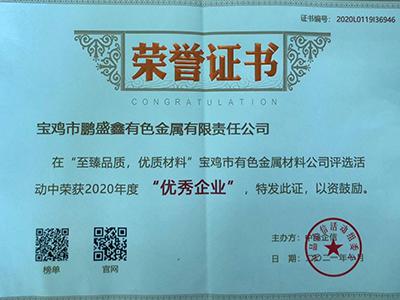
Authoritative Qualifications & Honors: The company holds ISO9001 international quality certification and GJB9001C‑2017 military‑standard certification, and has won multiple industry honors such as Shaanxi Excellent Private Enterprise and Quality Trustworthy Unit. All medical‑grade BT22 products provide complete English test reports and certification documents, supporting global medical factory procurement and third‑party authoritative inspection.
A1: Yes, and it is a higher‑end upgrade alternative. BT22 has higher strength, better fatigue resistance and more stable large‑section performance than Gr5/TC4. It is more suitable for high‑load, long‑life orthopedic, spinal and rehabilitation medical implants that ordinary medical titanium alloys cannot meet.
A2: No. PSX medical‑grade BT22 titanium rods adopt high‑purity smelting technology, with stable chemical properties, no biological toxicity and no heavy metal precipitation. It has passed standard biocompatibility tests and will not cause immune rejection or inflammation after long‑term implantation.
A3: It is widely used in high‑load orthopedic implant parts, spinal surgery fixation devices, dental medical auxiliary equipment, rehabilitation medical structural parts and high‑precision medical instrument supporting components.
A4: PSX supports customized size cutting, medical‑grade heat treatment, sterile finishing, ultra‑precision CNC machining and surface modification of BT22 titanium rods, and provides complete medical qualification documents and batch test reports.
A5: All medical products are produced in dust‑free sterile workshops, implemented with full‑process quality control, and completed standardized sterilization and cleanliness testing before delivery, meeting global medical device manufacturing safety standards.
With the rapid development of global precision medical treatment, minimally invasive surgery and personalized implant technology, the demand for high‑performance medical metal materials is continuously upgraded. BT22 near‑β high‑strength titanium alloy will become a key innovative material for the medical device industry in the future, relying on its unique high strength, high toughness and long‑life stability advantages. It will be widely popularized in high‑end orthopedic implants, spinal correction devices, intelligent rehabilitation medical equipment and customized dental medical devices.
In the future, with the continuous innovation of alloy modification and surface biocompatibility optimization technology, BT22 composite titanium materials will achieve more excellent human body adaptability and service durability. PSX will continue to increase R&D investment in medical‑grade titanium materials, optimize sterile production and precision processing technology, and provide higher‑standard customized BT22 titanium material solutions for global medical equipment manufacturers.
BT22 Titanium Rod breaks through the performance limitations of traditional medical titanium alloys with its unique near‑β alloy structure, ultra‑high mechanical strength, excellent fatigue resistance and stable biocompatibility. It solves multiple industry pain points such as insufficient load‑bearing capacity and short service life of traditional medical implant materials, and has become an emerging high‑quality material for high‑end medical devices and human implants.
As a professional certified titanium manufacturer with 15+ years of global export experience, PSX relies on advanced production equipment, professional R&D team and strict medical‑grade quality control system to provide global medical manufacturers with high‑quality BT22 titanium rods, Titanium Flange and customized medical titanium component solutions, helping the global medical industry realize safer, more durable and high‑precision equipment upgrading.
[1] Biocompatibility Evaluation of Near‑Beta Titanium Alloys for Medical Implants, Journal of Medical Materials Science, 2025, Author: Sarah L. Watson, Global Medical Material Research Team
[2] Application Prospect of TC18/BT22 High‑Strength Titanium Alloy in Orthopedic Implants, Reddit Medical Engineering Community, 2026, Advanced Metal Application Research Group
[3] Global Procurement Standards for High‑Performance Medical Titanium Alloys, Quora Medical Supply Chain Column, 2025
[4] ISO 10993 Biological Evaluation of Medical Devices International Standard, ISO Official Organization, 2024 Edition
[5] GOST 19425 Russian High‑Strength Titanium Alloy Industrial Specification, International Metal Standard Database, 2024

September 15, 2025
Email to this supplier
September 15, 2025
Privacy statement: Your privacy is very important to Us. Our company promises not to disclose your personal information to any external company with out your explicit permission.
Fill in more information so that we can get in touch with you faster
Privacy statement: Your privacy is very important to Us. Our company promises not to disclose your personal information to any external company with out your explicit permission.