

Send Message
Privacy statement: Your privacy is very important to Us. Our company promises not to disclose your personal information to any external company with out your explicit permission.


For industrial procurement managers, OEM/ODM manufacturers, chemical and petroleum plant operators, and global material distributors, selecting the right Titanium Ingot grade is critical to project performance, cost control, and long-term equipment reliability. Titanium ingots serve as the foundational raw material for the entire titanium industrial chain, processed into premium titanium material, titanium rod, titanium tube, titanium flange, and customized titanium CNC machining components and titanium forging parts. With multiple commercial and alloy titanium ingot grades available on the market, each featuring unique mechanical properties, chemical resistance, and cost ranges, professional grade comparison is essential to match precise industrial scenarios. This comprehensive guide systematically compares mainstream titanium ingot grades, analyzes their core characteristics, industrial advantages, and applicable scenarios, helping global buyers accurately select cost-effective high-quality industrial titanium ingots from PSX, a professional Titanium Alloy manufacturer with 17 years of production experience.
A titanium ingot is a high-density, defect-free semi-finished metal product manufactured via advanced vacuum smelting processes, serving as the primary upstream raw material for all titanium and titanium alloy deep-processing products. PSX high-quality industrial titanium ingots adopt high-purity sponge titanium as raw materials, produced by triple vacuum arc remelting (VAR) and electron beam cold bed melting (EBCHM) technologies. Featuring dense internal structure, zero sand holes and cracks, stable composition, and ultra-low impurity content, all products fully comply with ASTM B977, AMS 4928, and ISO 5832 international industrial standards.
As the core base material of industrial titanium manufacturing, titanium ingots directly determine the performance, corrosion resistance, high-temperature stability, and service life of downstream titanium finished products. Different grades of titanium ingots correspond to differentiated strength, ductility, and chemical resistance, covering lightweight civil manufacturing, high-precision aerospace, strict medical implantation, and extreme chemical anti-corrosion scenarios.
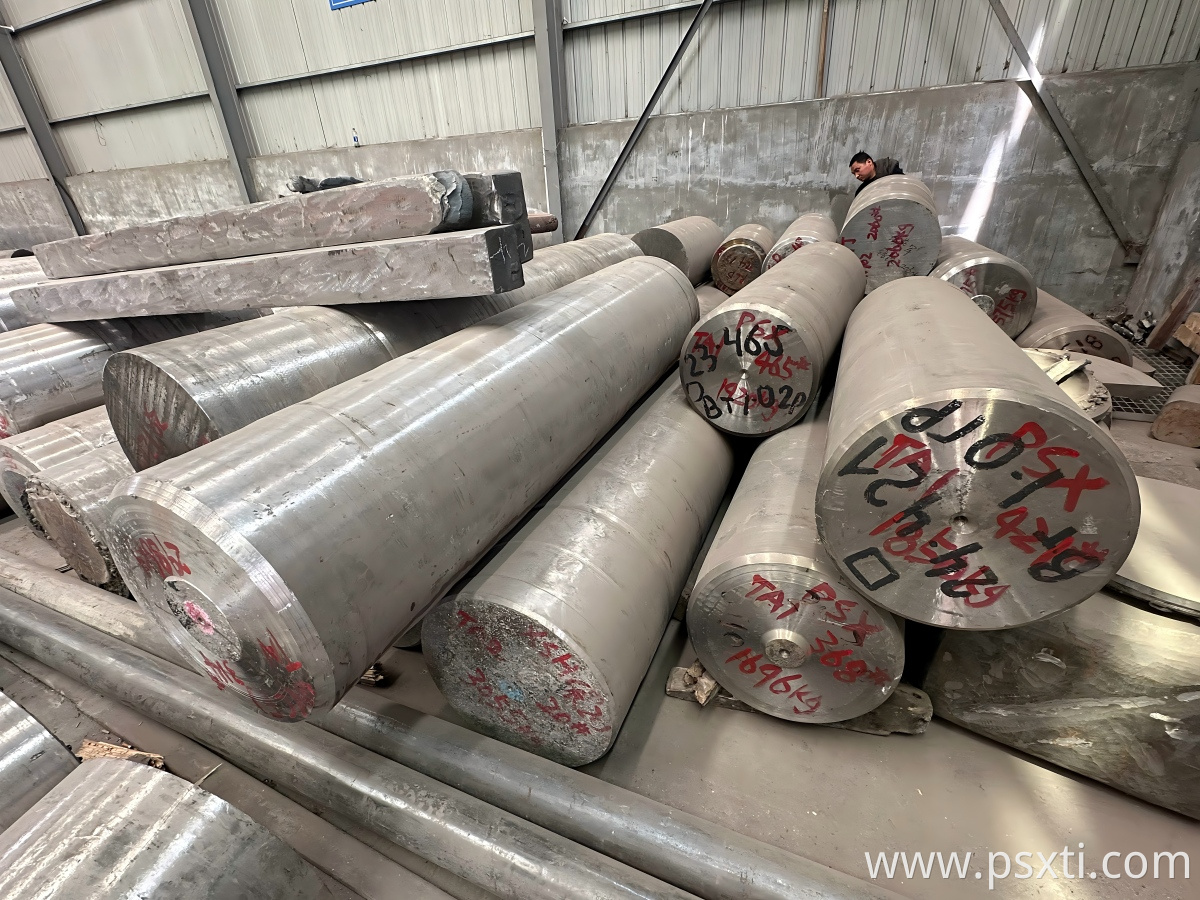
PSX High-Purity Defect-Free Industrial Titanium Ingot
PSX independently produces and supplies full-series industrial titanium ingots, divided into two major categories: commercially pure titanium ingots (GR1, GR2, GR3, GR4) and titanium alloy ingots (GR5, GR7, GR9, GR23). Each grade has fixed impurity control standards, mechanical performance parameters, and targeted application fields. Commercial pure titanium ingots focus on high purity and excellent corrosion resistance, while alloy titanium ingots improve strength, high-temperature resistance, and structural stability through precise addition of aluminum, vanadium, molybdenum, and other alloy elements. All PSX titanium ingots support customized specifications (diameter 380mm-960mm, length 2000mm-3000mm, weight 1t-5t) and personalized alloy ratio adjustment to meet diverse industrial processing needs.
Core Features: GR1 is the highest-purity commercial titanium ingot with purity up to 99.99%, the lowest oxygen and iron impurity content, excellent ductility and toughness, and superior cold and hot processing performance. It has the softest texture among pure titanium grades, easy for forging, rolling, and stretching without cracking.
Best Applications: Suitable for ultra-high corrosion-resistant industrial scenarios, including seawater desalination equipment, fine chemical pipelines, food-grade processing equipment, and ultra-thin precision titanium material processing. Ideal for manufacturers requiring high material ductility and zero impurity pollution.
Core Features: GR2 is the most widely used universal pure titanium ingot in the industry, balancing high purity and moderate strength. With stable impurity content and excellent comprehensive corrosion resistance, it achieves perfect cost-performance balance and is the mainstream choice for general industrial anti-corrosion manufacturing.
Best Applications: Widely used in chemical reactors, marine corrosion-resistant accessories, ordinary medical auxiliary equipment, and daily industrial titanium product processing. It is the preferred grade for most medium and low-strength anti-corrosion projects and downstream titanium sheet and profile processing.
Core Features: GR3 and GR4 are high-strength pure titanium ingots. With the gradual increase of oxygen and trace impurities, their tensile strength is significantly improved compared with GR1 and GR2, while maintaining good corrosion resistance. GR4 has the highest strength among pure titanium grades.
Best Applications: Suitable for medium-load industrial equipment, high-pressure chemical containers, mechanical structural parts, and outdoor corrosion-resistant facilities. Perfect for scenarios requiring both structural strength and anti-corrosion performance without high alloy grade costs.
Core Features: GR5 is the most versatile titanium alloy ingot in the global industrial industry, with a classic 6% aluminum + 4% vanadium alloy ratio. It has ultra-high tensile strength (up to 950MPa), excellent fatigue resistance, high-temperature stability, and processability, far exceeding pure titanium grades in structural performance.
Best Applications: Core material for aerospace component manufacturing, automotive lightweight structural parts, high-pressure mechanical equipment, and high-end customized titanium shaped parts. It is the primary raw material for high-precision titanium forging and aerospace-grade titanium processing.
Core Features: GR7 is a palladium-containing titanium alloy ingot with ultra-strong resistance to strong acid and high-temperature corrosion. It maintains stable performance in harsh chemical media such as sulfuric acid and hydrochloric acid, filling the performance gap of ordinary pure titanium.
Best Applications: Exclusive for petroleum and petrochemical high-corrosion equipment, chemical reaction kettles, and high-temperature acid-base processing systems, widely used in heavy industrial anti-corrosion manufacturing.
Core Features: GR9 is a lightweight high-toughness titanium alloy with balanced strength and ductility; GR23 is medical-grade low-oxygen titanium alloy with ultra-high biocompatibility and zero toxic impurities.
Best Applications: GR9 is used for automotive lightweight parts and marine precision components; GR23 is specially developed for medical implant products such as artificial joints and dental implants, fully compliant with medical safety standards.
To help industrial buyers quickly screen suitable products, we summarize the core performance differences of mainstream PSX titanium ingot grades:
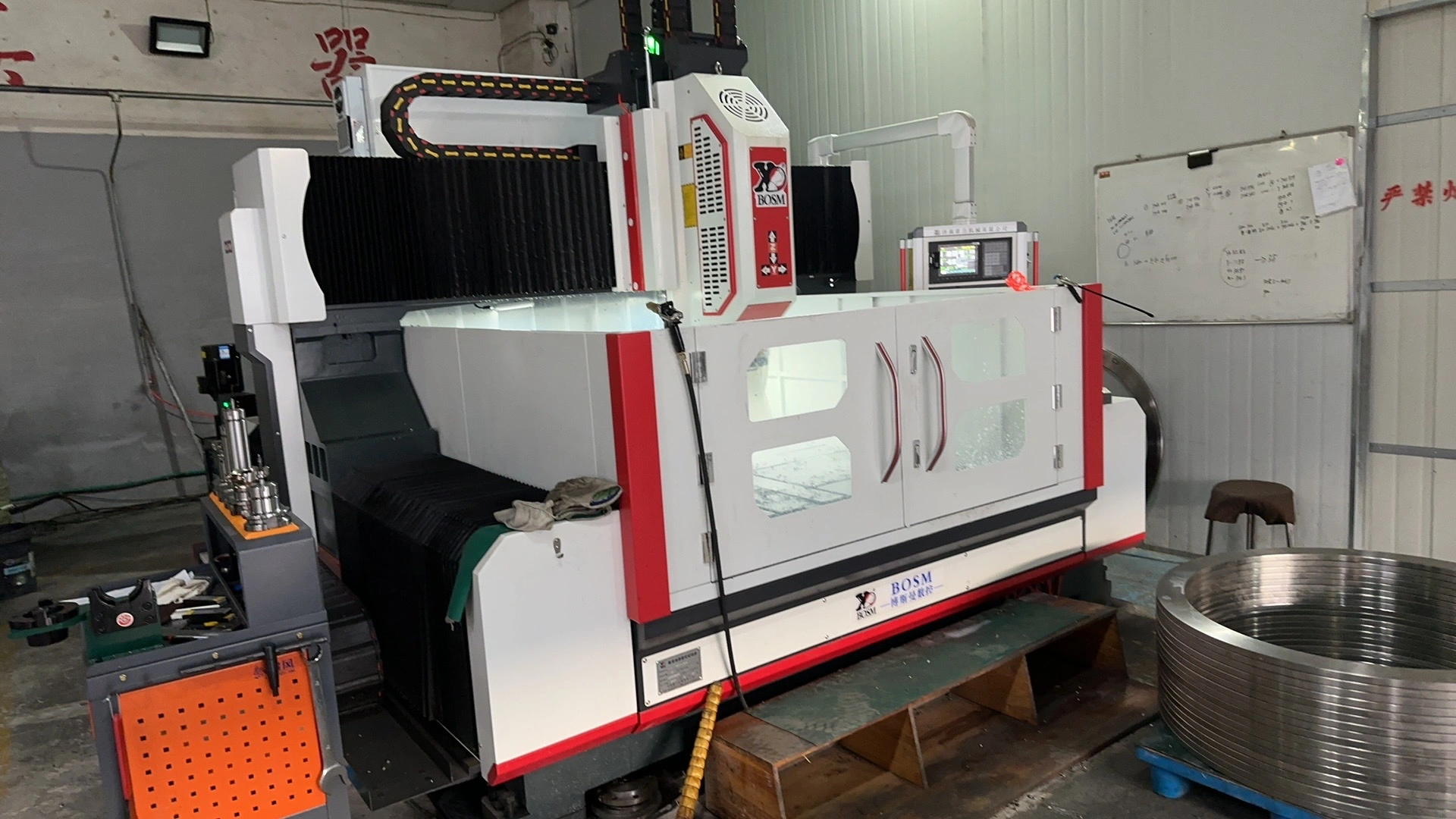
Advanced Smelting & Testing Equipment Ensures Consistent Grade Performance
Recommended Grades: GR5, GR9. These two alloy grades feature high strength-to-weight ratio, high-temperature resistance, and fatigue resistance, which can reduce aircraft weight by 30%+ and improve fuel efficiency. They are used to process aircraft fuselage parts, engine components, and aerospace precision forgings, being essential raw materials for high-end aerospace manufacturing.
Recommended Grades: GR2, GR23. Medical-grade titanium ingots have excellent biocompatibility, no human rejection reaction, and stable physiological inertness. GR2 is used for ordinary surgical instruments, while ultra-high-purity GR23 is specially used for human implant devices, complying with ISO 5832 medical industry standards.
Recommended Grades: GR2, GR7. GR2 adapts to conventional weak acid and alkali corrosion environments; GR7 palladium-containing alloy ingots resist strong acid and high-temperature corrosion, suitable for petroleum drilling equipment, chemical reactors, and long-term operating industrial pipelines.
Recommended Grades: GR2, GR9. Lightweight and corrosion-resistant, they are processed into automotive exhaust systems, suspension parts, and marine salt-spray resistant hardware, effectively reducing equipment energy consumption and extending service life.
Recommended Grades: GR1, GR3. High-purity and high-precision titanium ingots are used for instrumentation, desalination equipment, and precision mechanical parts manufacturing, ensuring zero impurity interference and stable equipment operation.
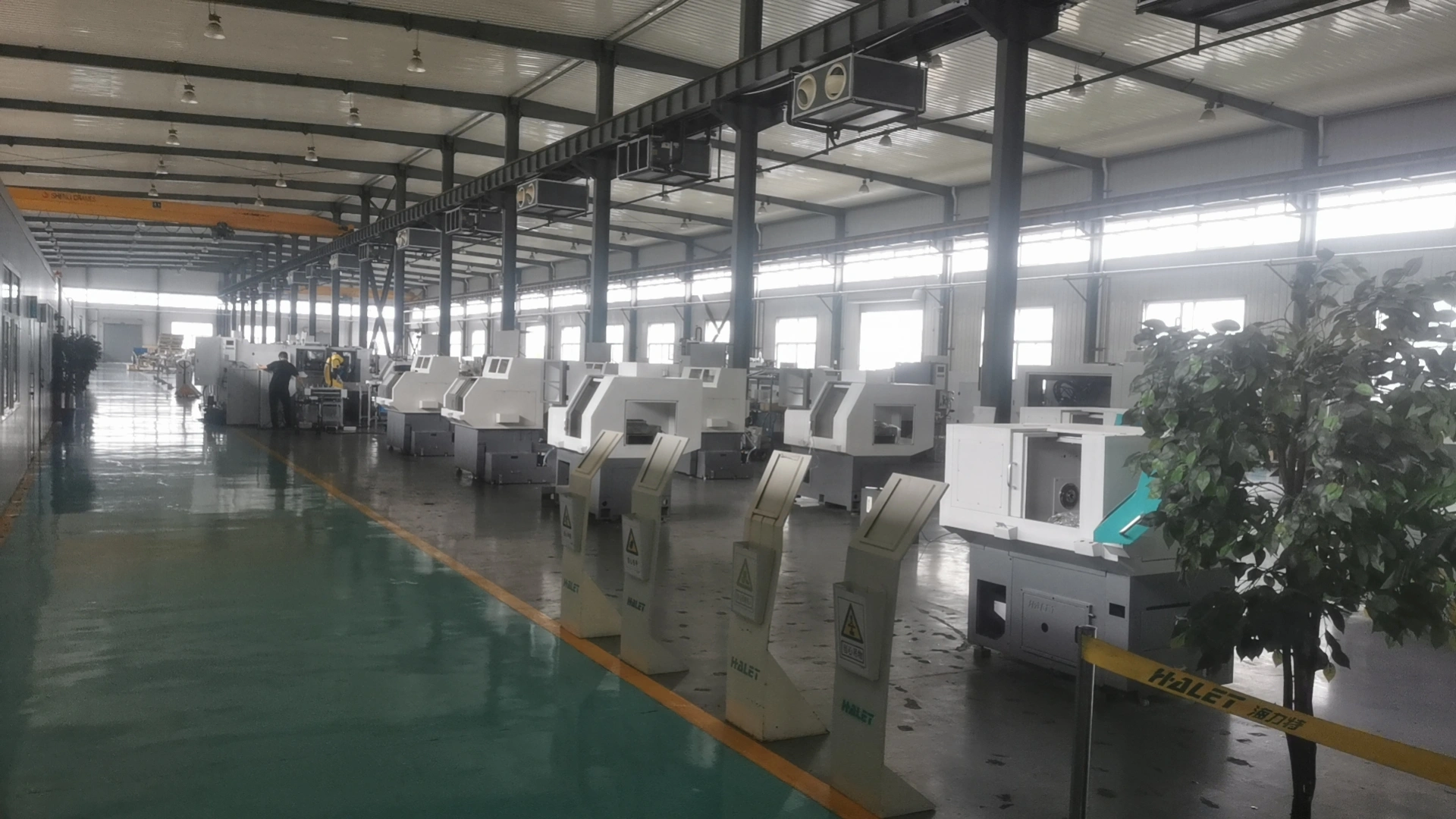
5000+㎡ Standardized Production Workshop for Titanium Ingot Manufacturing
The global titanium ingot manufacturing industry is currently upgrading toward intelligent precision smelting, low-carbon environmental protection, and grade specialization. Traditional single-grade universal materials can no longer meet the refined manufacturing needs of high-end industries such as aerospace and medical treatment. Global leading manufacturers are promoting segmented grade customization technology, realizing precise adjustment of trace impurities and alloy ratios for different application scenarios. In terms of production technology, multi-stage composite vacuum smelting and intelligent online defect detection technologies have been fully popularized, which effectively reduce the internal porosity rate of titanium ingots and improve batch performance consistency. Meanwhile, driven by global carbon neutrality policies, low-carbon clean smelting processes have become the industry mainstream, reducing production energy consumption and carbon emissions while ensuring product purity. Medical-grade ultra-low-oxygen titanium ingots and high-temperature resistant special alloy ingots have become the core R&D directions of the industry, and customized grade solutions have gradually replaced traditional standardized products, becoming the mainstream procurement demand of high-end industrial buyers.
European and American industrial manufacturers, distributors, and OEM/ODM factories have formed standardized procurement evaluation criteria for titanium ingot grade selection and supplier screening. First, grade standard compliance: Buyers strictly verify whether the ingot grade meets ASTM, AMS, and ISO international standards to ensure compatibility with downstream processing standards. Second, batch stability of grade performance: High-end manufacturing requires consistent strength, purity, and impurity content of each batch of ingots to avoid production defects. Third, grade customization capability: Buyers pay attention to suppliers’ ability to adjust alloy ratios and specifications for special industrial scenarios. Fourth, quality certification completeness: Complete COA test reports and third-party certification are mandatory procurement thresholds. Fifth, cost and delivery balance: On the premise of matching the required grade performance, buyers prioritize manufacturers with competitive prices and stable fast delivery capabilities to ensure continuous production.
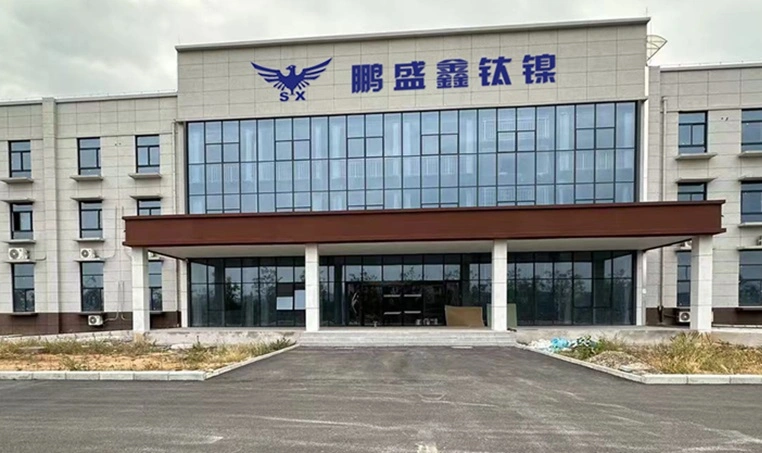
Baoji Pengshengxin Non-Ferrous Metal Co., Ltd. (PSX), founded in 2008 and located in China’s Titanium Valley, owns a 5,000+ ㎡ modern standardized production base and complete intelligent production lines. The company holds ISO9001 and GJB9001C-2017 authoritative certifications, with 17 years of professional titanium ingot smelting and customization experience.
PSX has a professional R&D team composed of 10+ senior material engineers and 8+ PhD technical backbones, focusing on titanium ingot grade optimization and process innovation. The independently developed precise alloy proportioning technology realizes accurate customization of various grades of titanium ingots, solving the problem of performance inconsistency of customized products in the industry. The company has won many honors including Shaanxi Quality Trustworthy Enterprise and Green Manufacturing Demonstration Unit, with strict full-process quality control from raw material selection to finished product delivery.
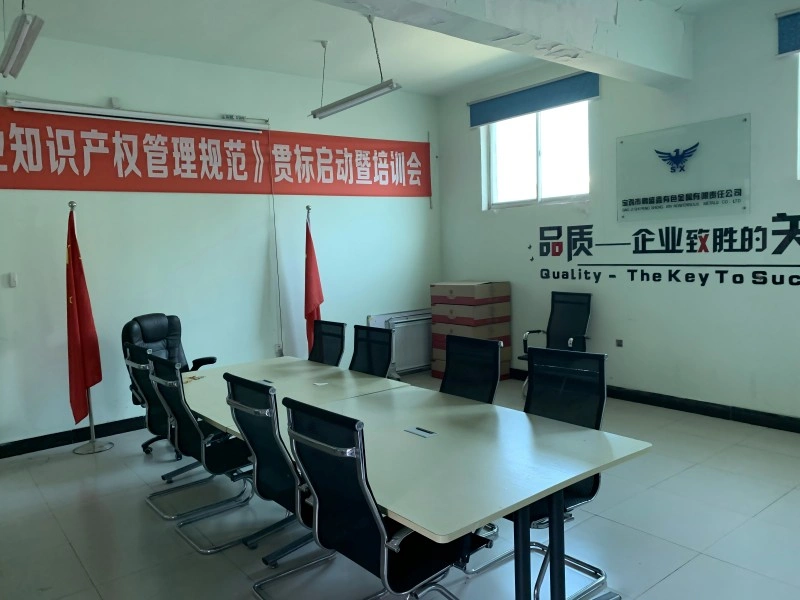
PSX Professional Titanium Manufacturer with Independent R&D Capabilities
All PSX titanium ingot grades are produced and inspected in strict accordance with international authoritative standards, ensuring global universality and industrial safety:
Each batch of PSX titanium ingots is equipped with a complete COA analysis report and supports third-party authoritative testing, fully meeting the standardized procurement requirements of global industrial enterprises.
Different grades of titanium ingots have different processing and maintenance requirements. Scientific use and storage can effectively retain grade performance and extend service life:
Standardized Grade Classification & Storage Management System
For global industrial buyers, grade selection can follow four core principles to avoid over-investment or performance insufficiency:
A1: GR2 is pure titanium with high corrosion resistance and low strength, suitable for conventional anti-corrosion equipment. GR5 is titanium alloy with ultra-high strength and structural stability, suitable for high-load and high-precision industrial parts, with higher cost and processing requirements.
A2: For conventional chemical media, GR2 titanium ingot is cost-effective; for strong acid, high-temperature and extreme corrosion environments, GR7 palladium-containing titanium alloy ingot is the best choice.
A3: Yes. PSX supports personalized customization of alloy ratios, specifications, and impurity standards for all titanium ingot grades, providing one-stop customized raw material solutions according to customer downstream processing needs.
A4: Each batch of PSX titanium ingots provides official COA component test reports, compliant with ASTM and ISO standards, and supports third-party professional testing to verify grade purity and mechanical properties.
A5: Conventional GR1/GR2/GR5 standard-grade ingots are in sufficient stock with 5-7 days fast delivery; special customized grades and special specification products will be delivered according to the customization cycle.
Different grades of titanium ingot have distinct performance advantages and applicable industrial scenarios. Pure titanium grades (GR1-GR4) focus on high purity and corrosion resistance for conventional industrial anti-corrosion manufacturing, while alloy grades (GR5/GR7/GR9/GR23) rely on high strength and special performance to meet high-end aerospace, medical, and extreme chemical industrial needs. For global industrial procurement managers, accurate grade matching is the key to optimizing project cost and improving product quality.
As a professional titanium ingot manufacturer with 17 years of experience, PSX provides full-series standard and customized titanium ingot products, strictly compliant with international standards, with stable batch performance, competitive factory prices, and perfect after-sales service. We support global customers in grade consultation, customized production, and fast delivery, providing reliable high-quality titanium raw material support for global industrial manufacturing upgrading.
Comparing Titanium Ingots: Grades, Properties, Industrial Uses & Best Buying Guide
This professional SEO blog targets global industrial procurement managers, chemical/petroleum manufacturers, OEM/ODM factories, and material distributors, focusing on titanium ingot grade comparison and scenario matching. It systematically analyzes the core properties, advantages, and applicable industries of all mainstream pure titanium and alloy titanium ingot grades, compares performance differences in detail, and summarizes practical grade selection guidelines. Combined with the latest 2025 industry technical trends and European and American buyers’ core procurement demands, it popularizes international industry standards and product maintenance knowledge. The article fully displays PSX’s factory strength, R&D achievements, and customized service advantages, and embeds high-value internal links of core products including titanium material, titanium rod, titanium tube, titanium flange, and titanium CNC machining. Equipped with multiple high-definition enterprise and product pictures, standardized FAQ, and authoritative reference materials, the article effectively improves website SEO ranking, solves customers’ grade selection confusion, and enhances brand professional credibility.

September 15, 2025

September 30, 2026

September 29, 2026
Email to this supplier
September 15, 2025
September 30, 2026
September 29, 2026
Privacy statement: Your privacy is very important to Us. Our company promises not to disclose your personal information to any external company with out your explicit permission.
Fill in more information so that we can get in touch with you faster
Privacy statement: Your privacy is very important to Us. Our company promises not to disclose your personal information to any external company with out your explicit permission.