

Send Message
Privacy statement: Your privacy is very important to Us. Our company promises not to disclose your personal information to any external company with out your explicit permission.



For mechanical design engineers, medical‑device developers and global procurement teams, component durability is non‑negotiable for high‑risk load‑bearing hardware. ASTM F136 Grade 23 Titanium Bar (Ti‑6Al‑4V ELI, UNS R56401) is a forged implant‑grade Titanium Alloy that has earned widespread trust among engineers worldwide for its exceptional long‑term reliability under cyclic stress and harsh operating environments. PSX Baoji Pengshengxin Non‑Ferrous Metal Co., Ltd supplies this premium bar stock as part of our comprehensive Titanium Material product range, alongside Titanium Forging, Titanium CNC Machining, Titanium Tube and Titanium Flange. Whether for permanent human‑body implants or high‑reliability industrial prototype assemblies, understanding what makes Grade 23 stand out helps OEM and distributor customers make data‑driven raw‑material sourcing decisions.
ASTM F136 Grade 23 is also known as Ti‑6Al‑4V ELI (Extra Low Interstitial). Compared with standard Grade 5 Titanium Rod, it applies much stricter control over interstitial impurities including oxygen ≤0.13%, hydrogen, nitrogen and carbon.
Each production batch follows full smelting‑forging‑rolling‑inspection workflow complying with ASTM F136‑23, with complete traceability, original MTR, UT‑MT inspection reports and spectroscopic analysis documents to satisfy ISO 13485 medical‑supply‑chain audit requirements.
Important Procurement Reminder: Cost‑driven improper grade substitution will lead to hidden fatigue‑failure risks for finished components. Always clearly specify grade designation inside RFQ and purchase‑order documents.
Although ASTM F136‑23 originates from medical‑implant specifications, its excellent toughness attracts aerospace‑adjacent engineering projects: ground‑based test‑fixture blanks, vibration‑resistant prototype components and dual‑use R&D specimens. Critical note: For flight‑critical aerospace hardware, this material still needs independent aerospace‑system‑level material qualification and supplementary acceptance criteria and cannot be directly adopted without formal validation.
Durability is not only about mechanical strength; corrosion resistance determines service‑life in aggressive working environments. ASTM F136 Grade 23 Titanium Bar forms a stable passive oxide surface layer. Inside human‑body fluid environments, it resists electrochemical corrosion and suppresses metal‑ion leaching to avoid tissue inflammation. In industrial settings, it delivers good performance against salt‑fog, humidity and weak corrosive media, which brings value for coastal test‑equipment and partial petroleum‑chemical‑industry component blanks. Even so, for mass‑produced general‑industrial corrosion‑resistant parts, cost‑optimized standard‑grade Titanium Alloy products are usually the more economical selection.
This is the core reason engineers trust ASTM F136 Grade 23 for unmatched durability. Thanks to controlled low‑interstitial chemistry, the material achieves high tensile strength while keeping good ductility. Its standout performance lies in fatigue‑crack‑propagation‑resistance: components manufactured from Grade 23 can sustain millions of repeated cyclic bending, torsion and impact loads without rapid crack expansion. For dynamic load‑bearing parts such as spinal connecting rods, intramedullary nails and high‑vibration instrument core shafts, this property directly lowers in‑service fracture‑failure probability and extends component working life. Standard Grade 5 titanium alloy, with higher interstitial‑element content, cannot reach the same toughness baseline.
Biocompatibility is an indispensable durability dimension for permanent surgical implants: material degradation or tissue rejection will render mechanically‑strong hardware ineffective. ASTM F136 Grade 23 titanium alloy is non‑allergenic and non‑cytotoxic. It maintains chemical inertness in bodily‑fluid environments, minimizing ion release risk, so implanted hardware can stably operate inside human tissue for decades. This characteristic makes it irreplaceable for orthopedic, spinal, dental and cranio‑maxillofacial permanent implant OEM manufacturing. Even for non‑implant medical‑instrument components contacting bodily fluids, many design engineers select Grade 23 to reduce material‑degradation‑related long‑term risks.
The inherent material formula alone cannot guarantee finished‑part durability; standardized manufacturing workflows further unlock ASTM F136 Grade 23’s full potential:
Global medical‑industrial titanium supply‑chains are advancing digital traceability transformation for high‑reliability titanium‑bar products. Increasing North‑American and European auditors from medical and high‑tech industrial sectors require fully‑digitized retrievable MTR, spectroscopic and non‑destructive‑testing archives instead of paper‑only certificates. Optimized forging workflows continuously lower micro‑segregation risks for small‑diameter Grade 23 titanium bar. Hybrid manufacturing combining wrought Grade 23 bar blanks and additive‑manufacturing post‑processing gains wider adoption for custom complex‑geometry components. Qualified raw‑material manufacturers keep deploying automated inline surface‑defect‑detection stations to reduce human‑inspection‑error risk for high‑value ELI‑grade titanium batches.
Procurement managers of EU and US OEM factories evaluating ASTM F136 Grade 23 Titanium Bar focus on five core evaluation dimensions. First is complete audit‑ready document packages: original MTR, UT‑MT inspection records and spectroscopic‑analysis reports complying with ASTM F136 and ISO 13485 traceability‑requirements. Second is stable dimensional accuracy and consistent surface‑quality, especially critical for small‑diameter centerless‑ground dental‑implant bar‑stock. Third is verifiable supplier‑quality‑system certifications plus proven track‑record delivering ELI‑grade titanium bar. Fourth is consistent batch‑to‑batch metallurgical performance, avoiding unexpected production‑line rejects during high‑volume Titanium CNC Machining workflows. Fifth is balanced supplier‑capacity for low‑volume R&D‑sample orders and predictable‑lead‑time large‑volume mass‑production, with multilingual‑technical‑sales‑support for cross‑border‑communication and special‑spec consultation work.
Recent material‑processing R&D expands application boundaries for Ti‑6Al‑4V ELI Grade 23 wrought bar stock. OEM engineering teams increasingly adopt forged Grade 23 bar as subtractive‑machining blanks for patient‑matched custom implants, taking advantage of wrought‑material’s superior mechanical‑reliability compared to pure 3D‑printed titanium components. Universities and biomedical‑mixed‑research labs keep raising procurement volumes of Grade 23 test‑bar specimens for combined biomechanical and cyclic‑load‑material‑validation projects. Another emerging application direction applies ASTM F136 Grade 23 raw‑stock for high‑cycle‑vibration precision‑shaft components, leveraging its outstanding anti‑fatigue‑crack‑propagation‑performance. Supply‑chain participants continuously optimize centerless‑grind and precision‑polish workflows to further reduce surface‑defect rates for downstream high‑reliability‑component mass‑manufacturing.
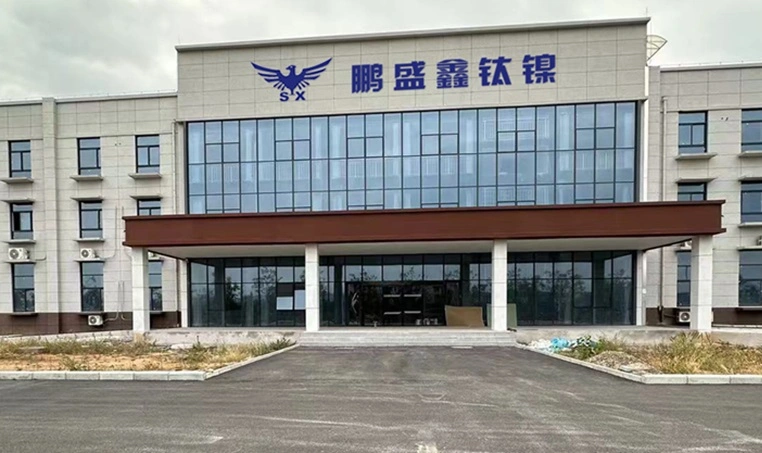
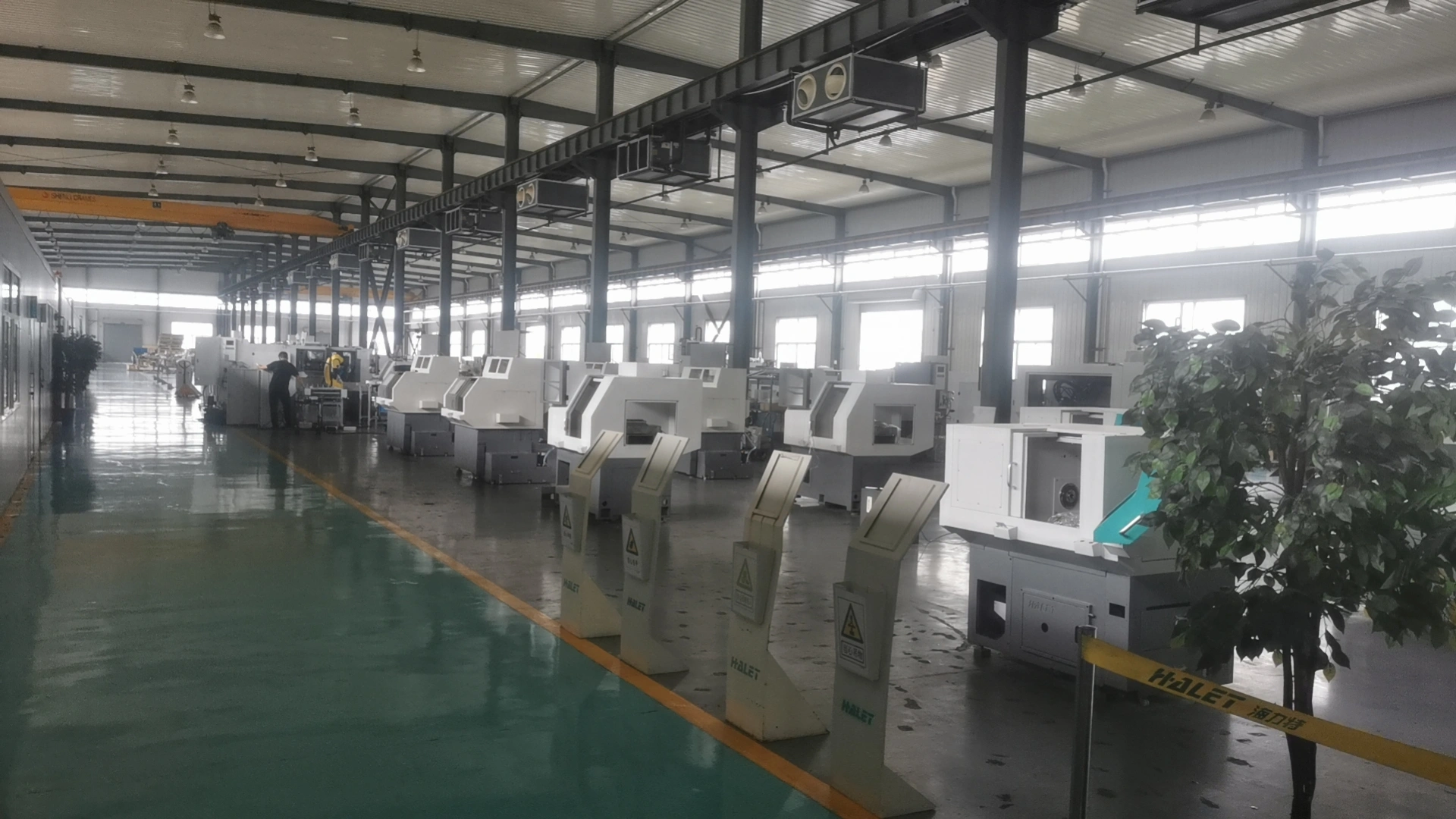
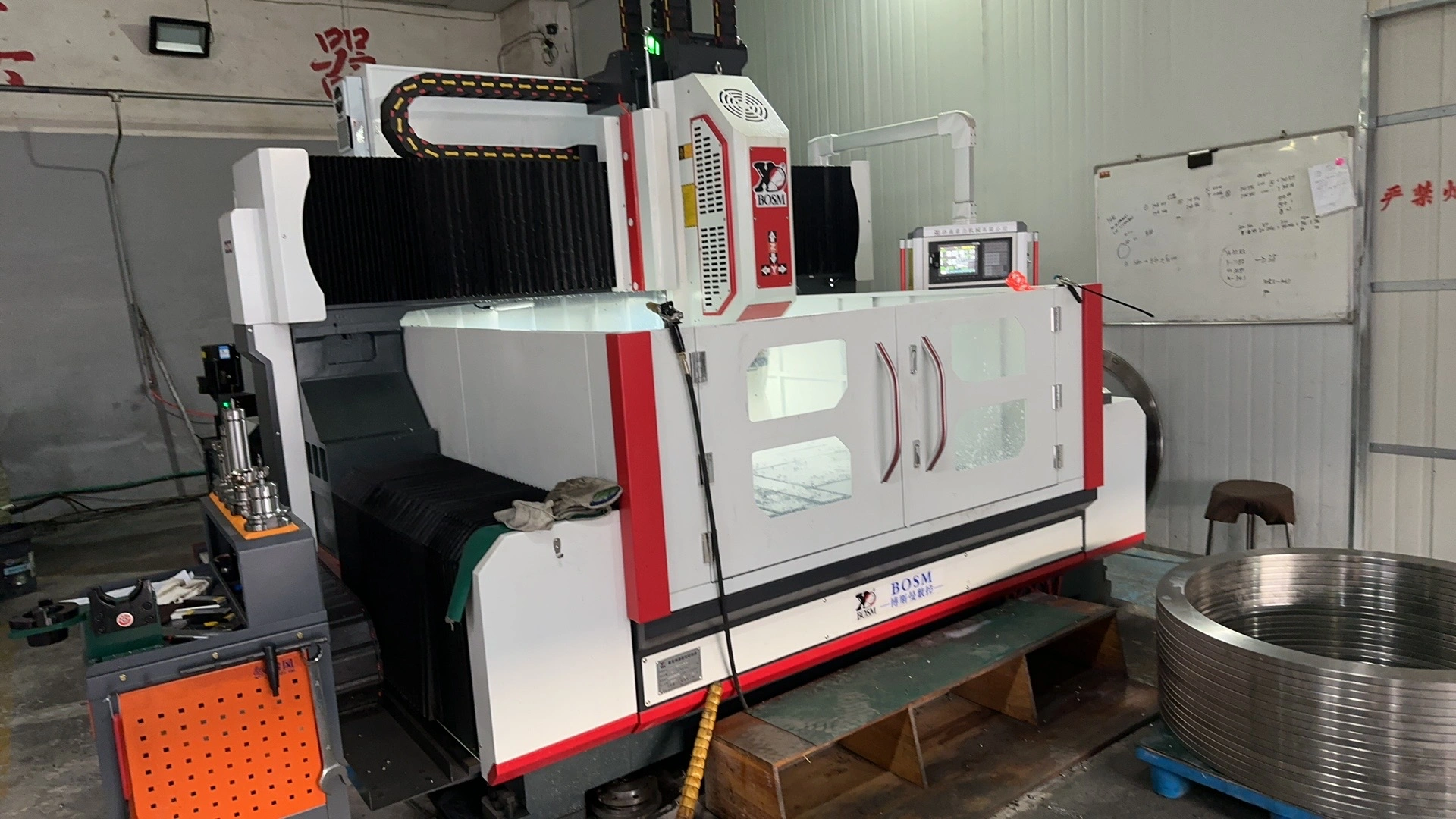
Baoji Pengshengxin Non‑Ferrous Metal Co., Ltd (PSX Brand), founded in 2008, is located in Baoji “China’s Titanium Valley”. Our factory occupies over 5 000 ㎡, equipped with modern‑purpose‑built‑workshops, imported‑CNC‑machining‑centers, vertical‑milling‑machines‑and‑dedicated‑non‑destructive‑inspection‑testing‑equipment. Our in‑house‑R&D‑team‑consists‑of‑more‑than‑10‑professional‑material‑science‑engineers‑and‑experienced‑senior‑technicians‑with‑multiple‑team‑members‑holding‑PhD‑level‑technical‑backgrounds. We‑hold‑ISO 9001‑and‑GJB9001C‑2017‑quality‑system‑certifications. Our‑production‑capacity‑supports‑both‑small‑batch‑medical‑R&D‑prototype‑orders‑and‑large‑volume‑serial‑production‑for‑Titanium Bar, Titanium Forging, Titanium CNC Machining‑and‑other‑Titanium Alloy‑based‑products. We‑provide‑diversified‑custom‑processing‑services‑for‑ASTM‑F136‑Grade 23‑titanium‑bar,‑including‑multiple‑surface‑finishes,‑custom‑cut‑lengths,‑chamfering,‑peeling‑and‑centerless‑grinding‑services.
A1: Its ELI extra‑low‑interstitial‑formula strictly‑limits‑oxygen‑≤0.13%. Lower‑interstitial‑content‑greatly‑improves‑fracture‑toughness‑and‑anti‑fatigue‑crack‑propagation‑performance‑under‑cyclic‑stress‑conditions,‑which‑is‑the‑core‑source‑of‑enhanced‑component‑durability.
A2: ASTM F136‑23 is a medical‑implant‑oriented specification. Flight‑critical aerospace hardware requires independent aerospace‑system‑level material qualification, and cannot directly adopt Grade23 raw material without formal validation work.
A3: Each shipment includes original MTR material test certificate, UT‑MT non‑destructive testing report and spectroscopic analysis report, fully complying with ASTM F136‑23 and ISO13485 traceability audit requirements.
A4: It can meet mechanical requirements technically, yet its high raw‑material cost makes it uneconomical for common industrial components. For ordinary industrial applications, select Grade5 or CP‑Ti to control project budget.
A5: Yes. We support small‑batch prototype orders as well as large‑volume mass‑production, and provide custom‑surface‑finish, custom‑dimension processing services. You can contact our multilingual sales team for quotation and sample evaluation.
Engineers around the globe choose ASTM F136 Grade 23 Titanium Bar for unmatched durability, not only for its impressive static mechanical indexes but for its excellent fracture toughness, anti‑fatigue‑crack‑propagation capability, reliable corrosion resistance and premium biocompatibility. This ELI‑grade titanium alloy remains irreplaceable for high‑risk permanent medical implants, while opening new possibilities for high‑reliability aerospace‑adjacent, research‑lab and specialty industrial projects. Procurement professionals should always focus on full‑set compliance documents, batch‑to‑batch metallurgical consistency and supplier real‑world manufacturing qualifications, rather than merely comparing unit material prices. As your trusted China‑based titanium solution partner, PSX Baoji Pengshengxin Non‑Ferrous Metal Co., Ltd delivers fully‑compliant Grade 23 implant‑grade bar stock together with our complete Titanium Alloy product portfolio. Whether you are medical OEM, industrial manufacturer, distributor or agent from Europe, North America and worldwide markets, please get in touch with our multilingual sales team for sample testing, custom‑spec review and formal project quotation support.
[1] Wikipedia contributors. “Ti‑6Al‑4V ELI titanium alloy for biomedical and industrial applications”. Wikipedia, 2024‑05‑06. Open‑access material‑science reference resource.
[2] Carter M. “Durability considerations for ASTM F136 Grade23 titanium for cyclic‑load components”, Reddit r/Materials engineering forum, 2024‑08‑05.
[3] Hale J. “Procurement checklist for Ti‑6Al‑4V ELI implant‑grade bar stock”, Quora Materials‑Engineering Topic, 2024‑08‑14.
[4] ASTM International. ASTM F136‑23: Standard Specification for Wrought Ti‑6Al‑4V ELI Titanium Alloy for Surgical Implant Applications. West Conshohocken, PA: ASTM International, 2023.
[5] Festas A.J., Ramos A., Davim J.P. Fatigue‑durability comparison of Ti‑6Al‑4V vs Ti‑6Al‑4V ELI wrought bar stock, Journal of the Brazilian Society of Mechanical Sciences and Engineering, 2024.

September 15, 2025

November 10, 2026

November 09, 2026
Email to this supplier
September 15, 2025
November 10, 2026
November 09, 2026
Privacy statement: Your privacy is very important to Us. Our company promises not to disclose your personal information to any external company with out your explicit permission.
Fill in more information so that we can get in touch with you faster
Privacy statement: Your privacy is very important to Us. Our company promises not to disclose your personal information to any external company with out your explicit permission.