

How Aluminum Vanadium Alloy Revolutionizes Aerospace Engineering
For aerospace procurement managers, titanium alloy smelters and OEM manufacturers of aircraft structural parts, consistent, predictable alloy chemistry is non-negotiable. At the heart of modern Ti‑Al‑V aerospace titanium production lies Aluminum Vanadium Alloy Master Alloy . Our High Purity Aluminum Vanadium Alloy Master Alloy (AlV55 / AlV65) acts as a critical intermediate feedstock for Gr5 TC4 and other α+β / β titanium alloys. PSX supplies this master alloy alongside our full titanium product portfolio including Titanium Material, Titanium CNC Machining, Titanium Flange, Titanium Tube, Titanium Bar and Titanium Forging to support aerospace-grade Titanium Ingot and component manufacturing worldwide.

Introduction to Aluminum Vanadium Alloy Master Alloy in Aerospace
Aluminum Vanadium Alloy Master Alloy is the foundational master alloy for aerospace titanium alloy melting. Available primarily as AlV55 (~58% vanadium) and AlV65 (~65% vanadium), it is manufactured by aluminothermic reduction to pre-combine high-melting-point vanadium and aluminum. Pure vanadium cannot be added directly into molten titanium efficiently; it sinks, segregates and burns heavily, creating unstable ingot chemistry. The pre-alloyed High Purity Aluminum Vanadium Alloy Master Alloy melts easily and disperses rapidly during vacuum melting, raising vanadium recovery and stabilizing the composition of TC4, TC11, TC17 and other aerospace Titanium Alloy grades. This single material underpins repeatable production of aircraft landing gear, engine casings, titanium blades and flight-critical structural components.
Core Properties of Aluminum Vanadium Alloy Master Alloy
- Solid-solution strengthening effect: Vanadium stabilizes the β phase inside titanium matrices, improving strength, ductility and fracture toughness for high-cycle fatigue aerospace parts.
- Controlled impurity profile: Premium grades tightly restrict oxygen, nitrogen, iron, silicon and carbon to avoid interstitial embrittlement.
- Tunable particle morphology: Custom particle sizes support vacuum arc furnaces, electron beam furnaces and chill bed furnaces with low dust and good flowability for automated feeding.
- Batch stability: Full spectroscopic testing guarantees minimal composition drift between production runs, simplifying aerospace formula qualification.
Advantages Over Traditional Aerospace Raw Material Routes
Many early titanium smelters attempted direct vanadium charging, which brought high scrap rates, inconsistent mechanical test results and long melting cycles. Switching to Aluminum Vanadium Alloy Master Alloy delivers clear commercial and technical advantages for aerospace foundries:
- Higher vanadium recovery rate and predictable yield, cutting raw material consumption and melting cost.
- Elimination of elemental segregation and local vanadium agglomeration, reducing rejected aerospace ingots.
- Lower overall impurity intake, preserving the fatigue performance required for certified aircraft hardware.
- Shorter vacuum melting hold time, improving furnace throughput and reducing energy consumption.
- Documented, repeatable chemistry to satisfy AMS traceability and audit requirements for aerospace suppliers.
Impact on Aircraft Weight Reduction and Fuel Efficiency
Aerospace engineering is continuously driven by lightweight targets. TC4 titanium alloy, enabled by controlled High Purity Aluminum Vanadium Alloy Master Alloy, delivers exceptional strength-to-weight ratios compared to steel and nickel superalloy alternatives. Reliable alloying means design engineers can downsize structural sections without sacrificing load capacity. Lighter airframes, landing gear assemblies and engine static hardware reduce aircraft empty weight, directly cutting fuel burn and extending flight range. Many PSX customers produce titanium ingots with this master alloy, then process the billets into precision Titanium CNC Machining and Titanium Forging components for commercial and military aircraft programs.
Enhancements in Structural Integrity and Long-Term Durability
Aerospace components face extreme cyclic loads, temperature swings and fatigue over decades of service. Even tiny compositional variations introduced during melting can become failure initiation points. Uniform vanadium distribution from premium Aluminum Vanadium Alloy Master Alloy ensures homogeneous microstructure across the full titanium ingot. Low oxygen and nitrogen content keeps titanium ductile and resistant to fatigue crack propagation. This is especially critical for safety-critical parts such as landing gear, pylon fittings and engine ducts. PSX strict QC routines align with aerospace quality expectations, supporting customers as they qualify titanium feedstock for serial aircraft production.
Role in Advanced Aerospace Design Innovations
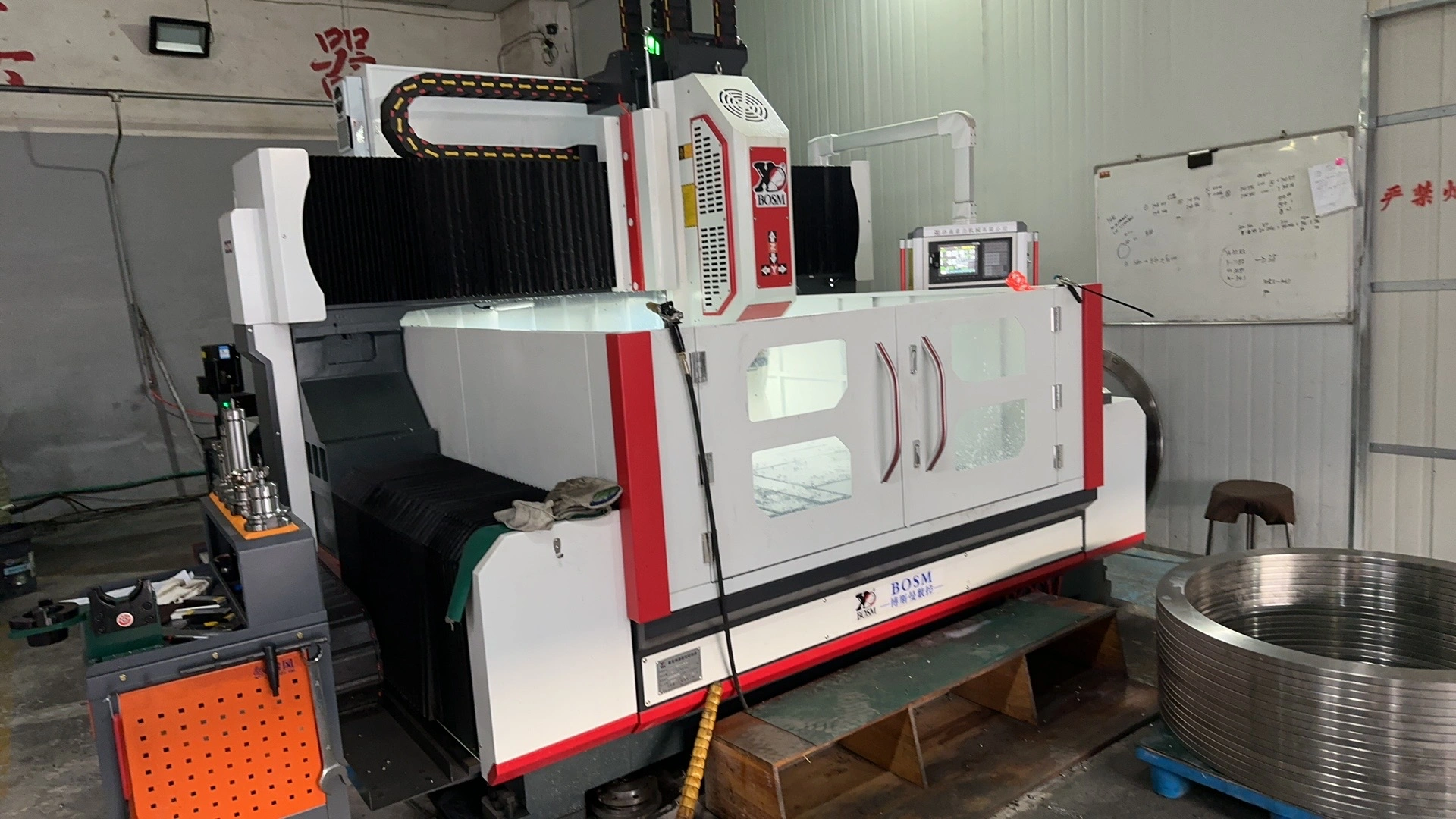
Next-generation aerospace platforms including next-gen civil airliners, unmanned aerial vehicles and hypersonic demonstrators rely on new β-titanium alloys and optimized α+β formulations. These advanced alloys demand precise vanadium control, which is only achievable with high-grade Aluminum Vanadium Alloy Master Alloy. AlV65 is increasingly selected for high-vanadium alloy recipes where engineers want to reduce the total master alloy mass added into the melt. The consistent feedstock performance unlocks additive manufacturing, hot isostatic pressing and near-net-shape forging workflows for aerospace titanium parts. PSX R&D teams support custom trial batches for aerospace material development programs alongside standard bulk supply.
Case Studies: Successful Applications in Modern Aircraft
Commercial aircraft programs widely deploy TC4 titanium alloy components smelted with AlV55 master alloy. Typical applications include:
- Aircraft landing gear secondary structures and link fittings
- Titanium alloy fan blades, compressor casings and bypass ducts for turbofan engines
- Wing attach fittings and pylon structures requiring corrosion resistance and fatigue tolerance
- Subsystem piping and pressure fittings fabricated from Titanium Tube and Titanium Flange
Modern military aircraft also use high-purity Al‑V master alloy to produce high-strength β-titanium components for lightweight airframe structures. In all these cases, the master alloy is the unseen foundational raw material that makes reliable titanium alloy performance possible.
Latest Industry Technical Trends for Aerospace Al‑V Master Alloy
The global aerospace titanium supply chain is shifting toward ultra-low interstitial master alloy grades dedicated to additive manufacturing and powder metallurgy. Buyers now require full particle size distribution reports, hermetic inert packaging and complete chain-of-custody traceability for aerospace batches. Carbon footprint disclosure and controlled cross-contamination protocols are becoming standard qualification requirements. Premium aerospace smelters are separating commodity-grade Al‑V material from dedicated high-purity production streams. Suppliers with dedicated spectroscopy labs, stable furnace capacity and aerospace-grade documentation systems gain preference. This trend rewards manufacturers like PSX that maintain strict impurity control and flexible particle customization for EB, vacuum arc and automated feeding systems.
Five Core Buying Criteria for European & American Aerospace Procurement Teams
Aerospace procurement managers evaluating Aluminum Vanadium Alloy Master Alloy prioritize five key factors. First, enforceable hard limits for oxygen, nitrogen and carbon, which directly define fatigue and ductility performance for flight hardware. Second, fully auditable batch traceability and spectroscopic COA documentation for customer qualification audits and AMS compliance. Third, customizable particle grading matched to furnace type and automated batching infrastructure. Fourth, secure long-term supply agreements and predictable lead times to avoid costly aerospace furnace shutdowns. Fifth, internationally recognized quality certifications including ISO9001 and military quality standards plus willingness to accept third-party factory audits. For aerospace-grade material, stable quality and supply reliability usually outweigh raw unit price.
Ongoing R&D and Emerging Application Directions
Current research around Aluminum Vanadium Alloy Master Alloy extends beyond conventional TC4 melting toward trace-element controlled formulations for advanced β‑titanium, high-temperature titanium alloys and aerospace metal additive manufacturing. Material scientists are developing low-dust, free-flowing granular grades optimized for continuous automated feeding systems in modern vacuum melting lines. Aerospace implant and structural standards keep tightening interstitial impurity thresholds, pushing manufacturers to implement isolated high-purity production zones and dedicated tooling to eliminate cross-contamination. This research also links master alloy homogeneity directly to titanium powder sphericity and chemical consistency for laser powder bed fusion, opening a fast-growing supply segment for aerospace AM factories. PSX’s in‑house engineering team supports trial batches and collaborative material development for qualified long-term aerospace partners.
Product Operation, Storage and Maintenance Guide
Recommended Melting & Charging Procedure
- Select AlV55 for standard TC4 aerospace titanium alloy production; select AlV65 for high‑vanadium β‑titanium recipes requiring reduced master alloy addition weight.
- Confirm particle size specification matches your furnace type: vacuum arc furnace, electron beam furnace or chill bed furnace.
- Charge the master alloy at the correct vacuum melting stage to maximize vanadium recovery and uniform diffusion into the titanium melt.
- Log batch numbers and COA data and link records to titanium ingot production files for full aerospace traceability.
Inventory Storage & Protection Tips
- Aerospace high‑purity grades must remain sealed and dry; fine crushed particles absorb oxygen much faster than bulk chunks.
- Control warehouse humidity and physically separate AlV55 and AlV65 inventory to prevent grade mixing errors.
- Once sealed aerospace-grade stock is opened, consume promptly to avoid oxygen uptake that degrades final titanium alloy fatigue performance.
Aerospace Industry Standards & Quality Specification Overview
Aerospace titanium alloys produced with High Purity Aluminum Vanadium Alloy Master Alloy are governed by ASTM B348 and AMS material specifications for Gr5 titanium. Military aerospace programs reference GJB standards, while global quality management systems require ISO9001 certification. PSX holds ISO9001 and GJB9001C‑2017 certification. Our master alloy, Titanium Material, Titanium Flange and precision machined titanium parts follow audited, repeatable QC protocols. Every furnace lot receives full spectrum testing before shipment and is accompanied by formal material certificates required for aerospace qualification packages.
PSX Factory Infrastructure, R&D Team and Aerospace Innovation Strengths
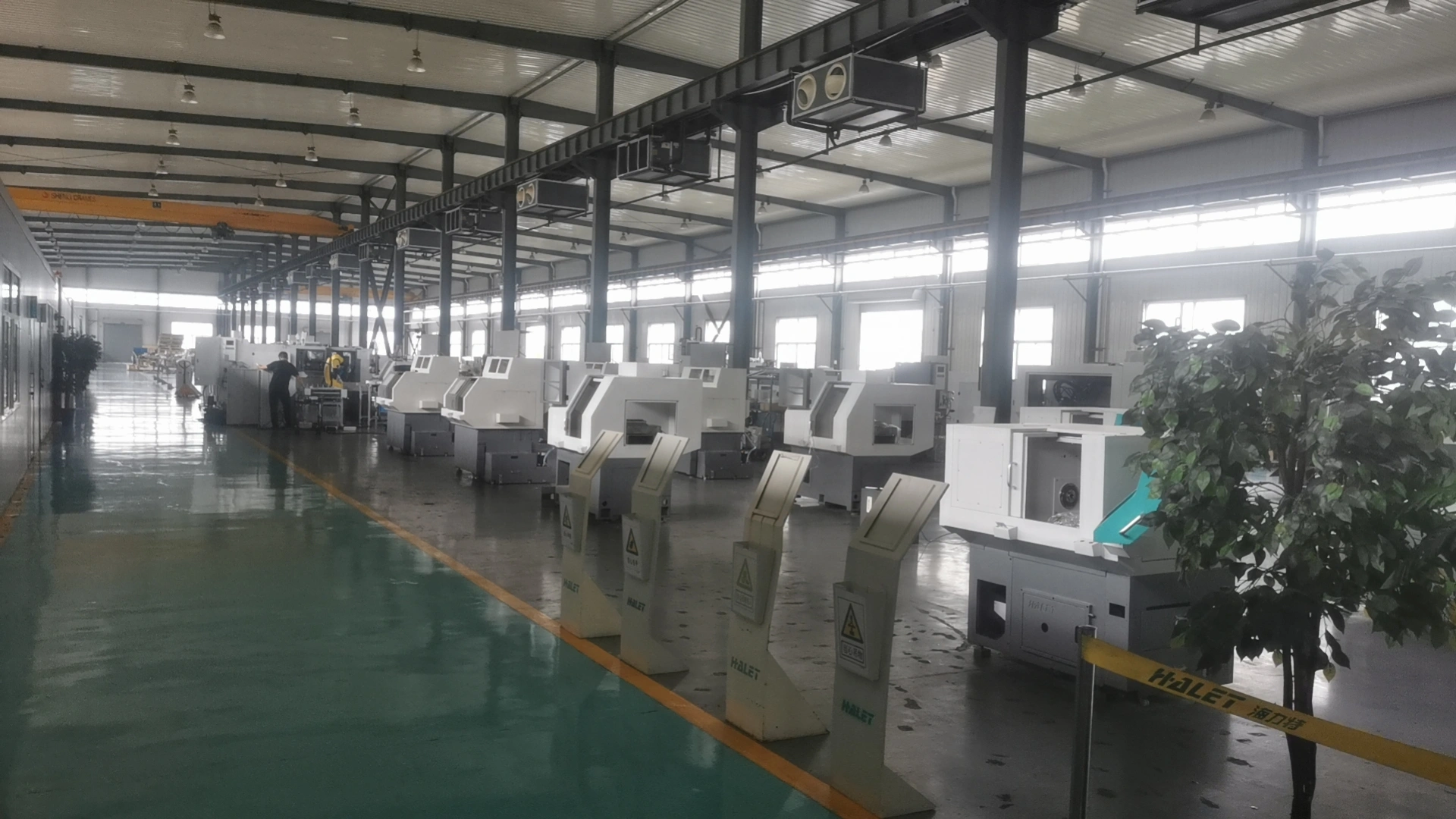
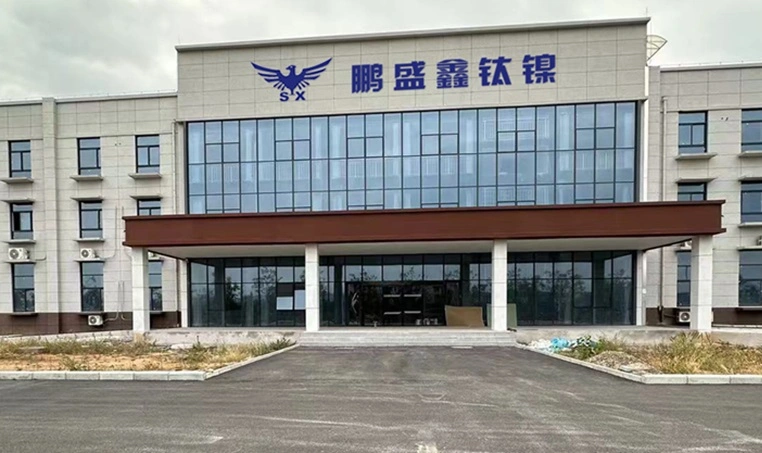
Baoji Pengshengxin Non-Ferrous Metal Co., Ltd, operating under the PSX brand, was founded in 2008 in Baoji High‑Tech Titanium Valley. Our 5,000+ square meter manufacturing site hosts modern CNC machining centers, sawing, milling, wire‑cutting and analytical testing equipment. Our technical team includes over 10 professional material engineers and multiple PhD‑level senior specialists focused on non‑ferrous alloy formulation and smelting process optimization. We support small‑batch aerospace R&D trial orders and mass serial production for global OEMs, distributors and aerospace titanium manufacturers. Our export network covers Europe, North America, Asia and Africa, with a multilingual technical sales team assisting clients from material selection through qualification documentation and after‑sales support.
Challenges and Considerations in Adoption of Al‑V Master Alloy
While Aluminum Vanadium Alloy Master Alloy delivers transformative benefits for aerospace titanium production, buyers must manage several practical considerations. High-purity aerospace grades carry stricter production controls and higher raw material costs than standard industrial grades. Storage discipline is critical: fine particles oxidize quickly, so packaging and inventory rotation must be enforced. Not every furnace feeding system is compatible with all particle sizes, so custom sizing and sampling trials are often required before full qualification. Lead times for aerospace qualified batches can be longer, so procurement managers need stable forecasting and long-term framework agreements. Working with a certified supplier like PSX reduces qualification risk and simplifies supply chain management for aerospace projects.
FAQ
Q: How do I choose between AlV55 and AlV65 for aerospace titanium?
A: AlV55 delivers moderate vanadium content and broad versatility, making it the primary selection for most TC4 aerospace titanium alloy manufacturers. AlV65 carries higher vanadium concentration. It is used when your aerospace formula needs a high vanadium ratio and you aim to reduce the total master alloy addition weight; it is widely adopted for premium β titanium alloys for advanced airframes.
Q: Are vanadium-aluminum master alloys susceptible to oxidation in aerospace storage?
A: Solid bulk finished material forms a thin passivated surface layer and tolerates short‑term normal storage. Fine crushed particles and powder fractions absorb oxygen much faster. High‑end aerospace grades must be stored in sealed containers and consumed quickly after opening.
Q: Can PSX customize particle size for aerospace vacuum melting furnaces?
A: Yes. We tune particle specifications for vacuum arc furnaces, electron beam furnaces and chill bed furnaces, with low‑dust flowability optimized for automated aerospace batching systems.
Future Prospects for Aluminum Vanadium Alloy Master Alloy in Aerospace
Aerospace demand for lightweight titanium will continue rising as new aircraft platforms, sustainable aviation programs and unmanned vehicle fleets expand. The role of Aluminum Vanadium Alloy Master Alloy will grow alongside this trend. Future development will focus on ultra-low interstitial grades tailored for metal additive manufacturing, optimized trace chemistry for high-temperature β‑titanium and fully digital batch traceability. Suppliers that combine stable high-purity production, flexible R&D support and aerospace certification will become strategic partners for global titanium smelters. PSX continues to invest in process upgrades and material testing to meet tightening aerospace material requirements over the next decade.
Conclusion: Transformative Potential in Aerospace Engineering
Aluminum Vanadium Alloy Master Alloy is the invisible cornerstone of modern aerospace titanium engineering. By solving the historic metallurgical challenge of vanadium dissolution and homogeneity, High Purity Aluminum Vanadium Alloy Master Alloy enables lightweight, strong, fatigue-resistant titanium components that define modern aircraft performance. It reduces scrap, stabilizes furnace yield and supports strict aerospace qualification standards. PSX is your trusted titanium solution partner, supplying certified master alloy alongside a complete lineup of titanium products including Titanium Material, Titanium CNC Machining, Titanium Flange, Titanium Tube, Titanium Bar and Titanium Forging. Contact us to lock in consistent master alloy quality for your aerospace titanium melting program.
References
1. Wikipedia contributors. Titanium alloy, 2025, Wikimedia Foundation.
2. Carter, J. “Master Alloy Impurity Control for Aerospace Grade TC4 Titanium”, Aerospace Materials Engineering Forum, 2025, International Non‑Ferrous Metallurgy Technical Forum.
3. Quora Materials Science Community. “Al‑V Master Alloy and TC4 Titanium Ingot Uniformity for Flight Hardware”, 2025, Quora.
4. AMS Technical Committee. “Impurity Limits for Aerospace Titanium Master Alloys”, 2024, Aerospace Material Specification Working Paper.
5. Reddit Metallurgy Subreddit. “Vanadium Recovery and Segregation Control in Vacuum Titanium Melting for Aerospace”, 2025, Reddit.
Connect with PSX
Visit our social media channels:
Facebook: PSX Facebook Profile
YouTube: PSX YouTube Channel
Instagram: PSX Instagram
Baoji Pengshengxin Non-Ferrous Metal Co., Ltd | PSX Brand


