


Send Message
Privacy statement: Your privacy is very important to Us. Our company promises not to disclose your personal information to any external company with out your explicit permission.


Aerospace engineering represents the most demanding industrial scenario globally, requiring structural materials to balance ultra-high strength, lightweight performance, fatigue resistance and extreme environmental stability. Traditional aerospace materials such as ordinary alloy steel and conventional TC4 (Gr5) titanium alloys have obvious limitations in large-section load-bearing structures and long-life aviation components. As a high-end near-β Titanium Alloy derived from Russian aerospace-grade standards and localized upgraded by China, BT22 Titanium Rod (domestic grade TC18) has become a revolutionary material for modern aerospace engineering iteration.
With exclusive Ti-5Al-5Mo-5V-1Cr-1Fe multi-element alloy composition, BT22 titanium rod has no equivalent ASTM Grade in the US standard system and cannot be replaced by Gr5, Gr19 or Gr23 titanium alloys. It effectively solves the industry pain points of uneven heat treatment, insufficient core strength and easy fatigue fracture of traditional titanium materials in large-size aviation workpieces. As a professional aerospace-grade Titanium Rod manufacturer, PSX provides standardized and customized BT22 titanium solutions for global aerospace engineering projects.

After professional solution treatment and aging heat treatment, BT22 titanium rod achieves comprehensive mechanical properties far exceeding conventional aviation titanium alloys, fully meeting the extreme performance indicators of aerospace engineering:
Lightweight design is the core development direction of modern aerospace engineering, directly determining aircraft fuel economy, load capacity and flight range. BT22 titanium rod has a low density of only 4.65 g/cm³, which is 40% lighter than traditional high-strength aerospace steel. Compared with TC4 titanium alloy, BT22 achieves higher strength under the same weight, realizing dual optimization of lightweight and structural safety.
The lightweight advantage of BT22 titanium material brings revolutionary improvements to aerospace engineering: reducing the overall dead weight of aircraft structures, significantly lowering fuel consumption during flight, increasing aircraft payload and cruising range, and improving flight flexibility and operational efficiency. For military aviation equipment and large civil airliners, this lightweight high-strength material greatly enhances comprehensive combat and economic performance, becoming an indispensable core material for new-generation aircraft upgrading.
Aerospace equipment needs to operate in complex and harsh environments for a long time, including high-altitude low temperature, humid air, salt spray atmosphere and variable pressure conditions, which put forward extremely high requirements on material corrosion resistance. BT22 titanium rod has excellent stress corrosion resistance and corrosion fatigue resistance, maintaining stable physical and chemical properties in humid, salt spray and extreme atmospheric environments.
Different from ordinary aviation materials that are prone to oxidation, rust and stress cracking after long-term service, BT22 alloy effectively avoids structural corrosion damage and performance degradation. It greatly extends the service life of aircraft load-bearing components, reduces downtime maintenance costs, and improves the long-term operational reliability of aerospace equipment, which is especially suitable for marine aviation and long-range flight equipment with harsh operating conditions.
Aerospace engines and high-speed flight components will generate huge heat during operation, requiring materials to maintain stable structural performance under high-temperature working conditions. BT22 near-beta titanium alloy has excellent high-temperature structural stability, which can maintain stable strength and toughness in variable high-temperature environments, without thermal deformation or structural failure.
Its unique multi-element alloy microstructure effectively resists high-temperature oxidation and thermal fatigue damage, solving the problem of performance attenuation of traditional titanium alloys under high-temperature alternating loads. This stable high-temperature resistance makes BT22 titanium rod widely used in aircraft engine connecting parts, high-speed structural forgings and high-temperature load-bearing brackets, ensuring the safety and stability of aerospace equipment during high-power operation.
Relying on its comprehensive superior performance, BT22 high-strength titanium rod has become a key structural material for high-end aerospace engineering, covering multiple core aircraft component fields:
In 2026, the global aerospace material industry is accelerating towards high strength, lightweight integration and long-life durability. Major aerospace manufacturing countries are eliminating traditional single-performance titanium materials and vigorously promoting the application of near-beta ultra-high strength titanium alloys represented by BT22/TC18. The industry’s latest technical focus is on large-specification Titanium Bar integral forming technology, intelligent heat treatment precision control and low-fatigue alloy optimization. At the same time, the integrated manufacturing mode of titanium forging + precision CNC machining has become the mainstream of aerospace component production, which reduces assembly gaps and improves overall structural consistency. Green low-carbon smelting and zero-defect quality inspection technologies are also widely applied in high-end titanium material production, further improving the yield and operational stability of aerospace-grade BT22 titanium rods, and promoting the standardized and large-scale application of domestic high-end titanium alloys in global aerospace engineering.
Global aerospace manufacturers and OEM procurement managers have extremely strict verification standards for BT22 aerospace-grade titanium rods, focusing on five core indicators to avoid engineering risks: First, grade uniqueness and non-substitutability, confirming that the product is genuine BT22/TC18 without substitution of ordinary Gr5 titanium alloy. Second, large-section performance consistency, requiring uniform internal and external mechanical properties of large-diameter rods to meet large aviation forging requirements. Third, complete aerospace-grade certification reports, including composition analysis, fatigue test, flaw detection and heat treatment qualification documents. Fourth, precision machining adaptability, stable material texture to support high-precision Titanium Flange and component matching processing. Fifth, batch stability and customized service capability, ensuring consistent quality of long-term bulk orders and supporting personalized heat treatment and size customization for aerospace projects.
In recent years, driven by aerospace lightweight upgrading demands, BT22 titanium alloy has achieved major breakthroughs in R&D and industrial application. The new-generation vacuum multi-pass smelting technology developed by domestic high-end titanium manufacturers effectively eliminates internal inclusions and pores of BT22 materials, improving the compactness and fatigue resistance of aviation-grade blanks. The segmented intelligent aging heat treatment technology realizes precise matching of strength and toughness according to different aerospace component working conditions, solving the performance bottleneck of traditional single-process heat treatment. In terms of application innovation, BT22 titanium rods have been successfully applied to new-generation lightweight aircraft load-bearing structures and long-life aerospace fatigue components, breaking the monopoly of foreign high-end aerospace titanium alloys. In addition, the composite processing technology of BT22 combined with high-precision forging and CNC machining greatly improves the integration degree of aerospace components, reduces equipment weight by 10–15% on the premise of ensuring structural safety, and provides core material support for the iteration of new energy-saving and high-efficiency aircraft.
Aerospace-grade BT22 titanium rods implement exclusive high-end industry standards, with strict quality and safety specifications different from ordinary industrial titanium materials:
Baoji Pengshengxin Non-Ferrous Metal Co., Ltd. (PSX), founded in 2008, is located in China’s Titanium Valley, with 15+ years of high-end aerospace titanium material export experience, providing genuine and stable BT22 titanium rod solutions for global aerospace engineering clients.
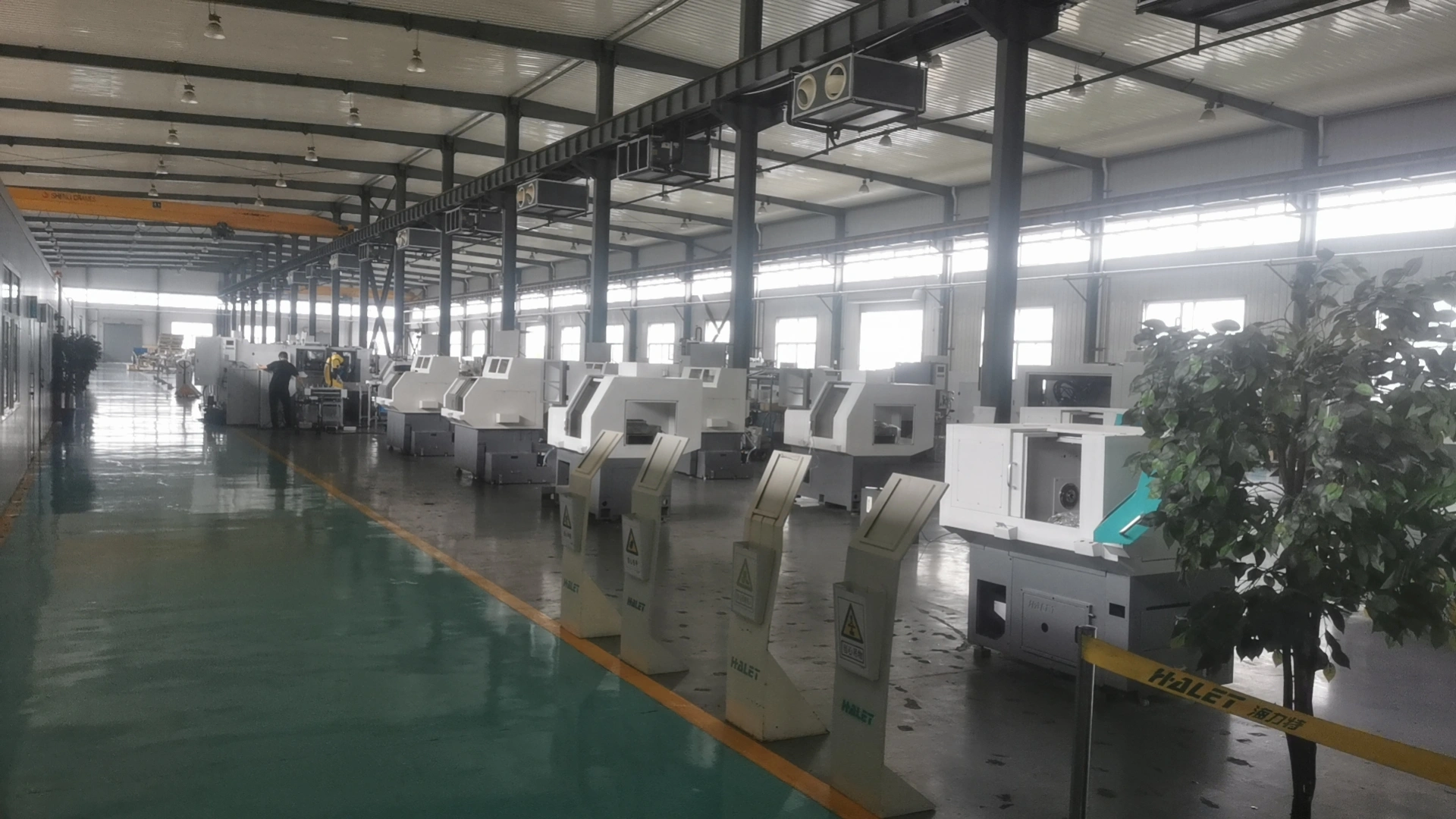
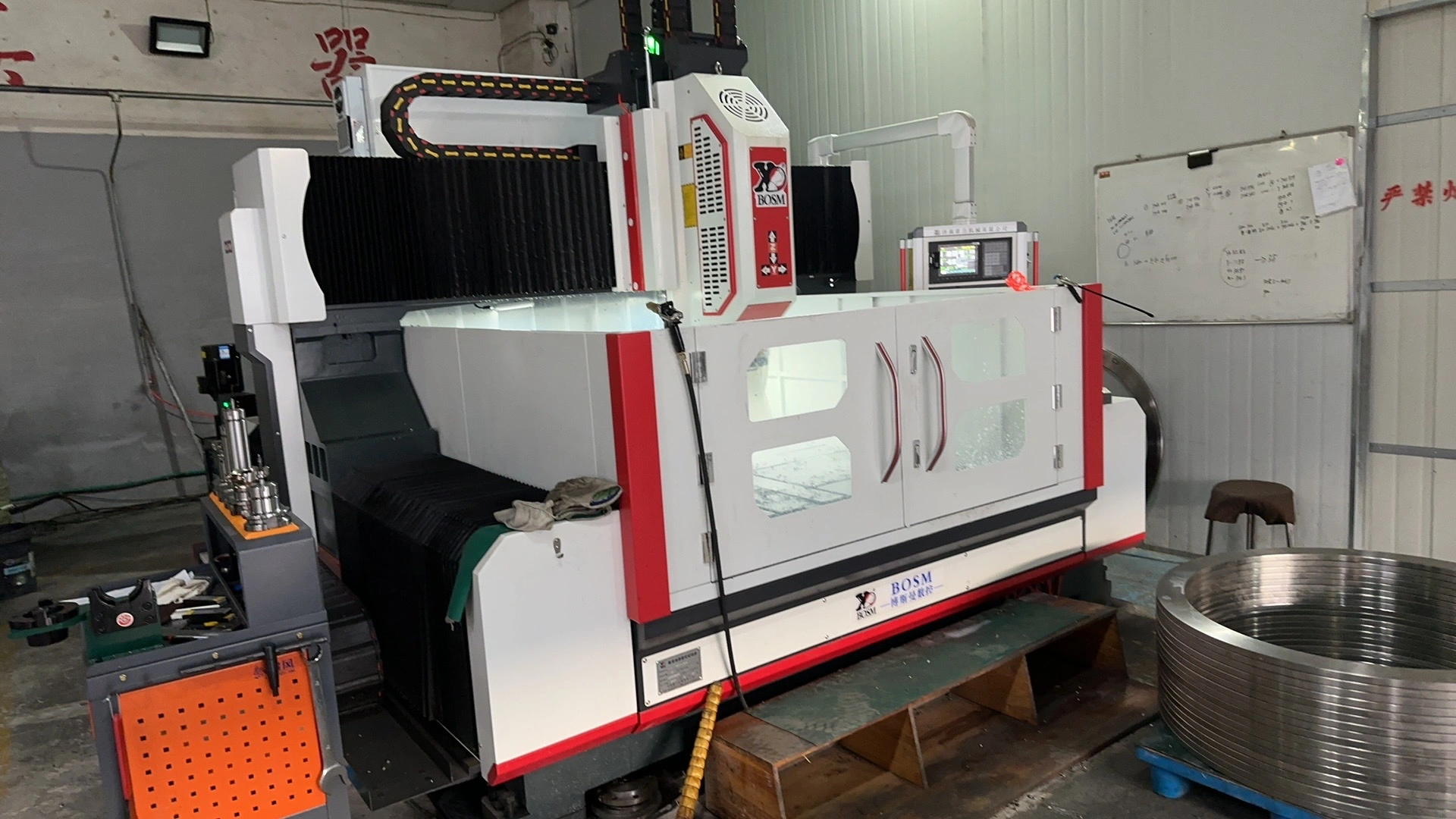
Advanced Production Hardware: The company owns a 5,000+ square meters modern production base, equipped with imported high-precision CNC machining centers, vertical milling equipment, professional titanium forging and aerospace-grade heat treatment production lines. The processing tolerance reaches ±0.001mm, fully meeting the precision requirements of aerospace components.
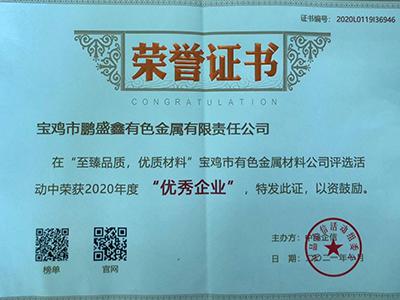
Professional R&D Team & Honors: PSX has more than 10 professional material engineers and multiple PhD senior technical backbones, focusing on R&D and process optimization of aerospace-grade BT22 titanium alloys. The company has obtained multiple industry honors including Shaanxi Excellent Private Enterprise, Quality Trustworthy Unit and Safe Production Advanced Unit, with strong independent innovation capability.
Authoritative Certification: Certified by ISO9001 international quality system and GJB9001C-2017 military standard system, all aerospace-grade BT22 products pass strict multi-process testing, providing complete English inspection reports and certification documents for global aerospace procurement.
A1: No. BT22 (TC18) is a unique Russian-system near-beta aerospace titanium alloy without equivalent ASTM grades. Gr5/TC4 cannot meet the large-section hardenability, ultra-high strength and long-life fatigue resistance requirements of high-end aerospace load-bearing components, and substitution will lead to major structural safety risks.
A2: BT22 solves the inherent defects of TC4 titanium alloy such as uneven large-section heat treatment and insufficient core strength. It has higher tensile strength, better fatigue resistance and extreme environmental corrosion resistance, and realizes lightweight and high-strength integration, which is more suitable for new-generation aerospace engineering.
A3: PSX supports customized diameter specifications, fixed-length cutting, aerospace-grade heat treatment, precision grinding and special surface treatment of BT22 titanium rods. It can provide targeted material solutions according to aircraft component working conditions and supply complete aerospace qualification documents.
A4: Mainly used for aircraft landing gear parts, fuselage load-bearing joints, aerospace structural forgings, connecting shafts, military aviation load-bearing components and other core parts with high strength and fatigue resistance requirements.
A5: Adopt unified aerospace-level smelting and forging processes, implement military-standard quality control, conduct full-performance testing for each batch of products, and support third-party aerospace institution re-inspection to ensure zero-defect supply.
With the rapid development of global lightweight aerospace manufacturing, new energy aircraft and long-range aviation equipment, the market demand for BT22 ultra-high strength titanium rods will continue to grow steadily. As an irreplaceable high-end aerospace titanium material, BT22 will be widely applied in new-generation civil airliners, military aviation equipment and aerospace precision components. In the future, with the continuous upgrading of titanium alloy R&D and manufacturing technology, BT22 composite modified materials will further optimize strength-to-weight ratio and high-temperature resistance, becoming the core material leading the iterative upgrading of global aerospace engineering. PSX will continue to increase R&D investment to provide higher-standard aerospace-grade titanium material solutions for global clients.
BT22 high-strength titanium rod has become an indispensable core material for modern aerospace engineering by virtue of its exclusive alloy formula, ultra-high strength, excellent large-section hardenability, lightweight energy-saving and extreme environmental resistance advantages. It perfectly makes up for the performance shortcomings of traditional aviation titanium alloys and steel materials, and supports the lightweight, high-efficiency and long-life development of aerospace equipment. As a professional aerospace-grade Titanium Tube and titanium rod manufacturer with international certification, PSX relies on advanced production equipment, professional R&D team and strict military-standard quality control to provide global aerospace manufacturers with high-quality, stable and customizable BT22 titanium rod products, helping upgrade global aerospace engineering technology.
[1] Advanced Titanium Alloy Application in Aerospace Structures, Journal of Aerospace Materials & Technology, 2025, Author: Michael D. Carter, Global Aviation Technical Research Team
[2] Near-Beta Titanium Alloy Heat Treatment Strengthening Mechanism, Reddit Engineering Community, 2026, Industrial Material R&D Group
[3] Global Aerospace High-Strength Titanium Material Procurement Standard Analysis, Quora Industrial Supply Chain Column, 2025
[4] Russian GOST 19425 BT22 Aviation Titanium Alloy Standard Specification, International Metal Standard Database, 2024
[5] China GB/T 2965 Aerospace Titanium Bar Performance Specification, National Standardization Administration, 2025 Edition

September 15, 2025
Email to this supplier
September 15, 2025
Privacy statement: Your privacy is very important to Us. Our company promises not to disclose your personal information to any external company with out your explicit permission.
Fill in more information so that we can get in touch with you faster
Privacy statement: Your privacy is very important to Us. Our company promises not to disclose your personal information to any external company with out your explicit permission.