


Send Message
Privacy statement: Your privacy is very important to Us. Our company promises not to disclose your personal information to any external company with out your explicit permission.

AMS 4985 titanium rods stand as a benchmark high-temperature α-β titanium alloy for global aerospace, petrochemical, and defense manufacturing industries. Tailored for professional procurement managers, OEM/ODM manufacturers, and industrial distributors, this comprehensive guide covers core properties, industry applications, grade comparisons, purchasing standards, supplier selection, and maintenance guidelines. It also integrates the latest industry technological trends and overseas procurement focus points to help buyers make cost-effective, reliable, and compliant purchasing decisions for high-performance aerospace titanium alloy components.
AMS 4985 Titanium Rod is a premium heat-resistant titanium alloy strictly formulated to meet SAE AMS aerospace industrial standards, widely recognized for extreme thermal stability and superior mechanical performance. Composed of 6.5% aluminum, 3.5% molybdenum, 1.5% zirconium, and 0.3% silicon, this specialized titanium material balances exceptional hot workability, structural strength, and universal corrosion resistance, distinguishing it from conventional industrial titanium rods.
Developed for long-term service in high-temperature and high-load extreme environments, AMS 4985 titanium alloy fills the performance gap of medium-temperature titanium alloys. It complies with global mainstream aerospace supply chain certification systems and can replace traditional alloy steels to achieve 30%–40% structural weight reduction while maintaining absolute operational safety, making it an irreplaceable core material for high-end aviation, defense, and petrochemical equipment manufacturing.

As a high-end aerospace-grade titanium alloy, AMS 4985 features four core competitive advantages that cater to the strict requirements of industrial high-temperature, high-strength, and long-life scenarios. All performance indicators exceed conventional titanium and alloy steel materials.
With its comprehensive performance advantages, AMS 4985 titanium rods are widely applied in high-end fields with extreme working conditions, covering aerospace, defense industry, petrochemical engineering, marine engineering, and high-end precision manufacturing, perfectly matching the production needs of industrial manufacturers and OEMs.
It is the preferred material for hot-end components of aero-engines, including high-pressure compressor discs, blades, load-bearing rings, combustion chamber liners, turbine shafts, and exhaust system parts. It also supports the manufacturing of engine mounts, suspension lugs, and high-temperature heat shields, stably operating in 400–500°C high-temperature environments for a long time.
Used for manufacturing wing spars, landing gear struts, fuselage stiffeners, door hinges, and load-bearing joints. It serves as the main load-bearing structural material for helicopters and industrial UAVs, realizing the perfect balance of lightweight design and structural strength.
Applied to missile casings, tail control surfaces, rocket engine components, and armored vehicle load-bearing structures. It is also widely used in deep-sea exploration vehicle pressure hulls, submarine structural parts, and offshore platform high-temperature load-bearing components, adapting to high-pressure and corrosive marine environments.
Suitable for high-temperature reactors, industrial heat exchangers, and high-pressure conveying pipelines in petrochemical projects. It also supports the production of gas turbine discs, medical orthopedic implants, high-end racing parts, and precision industrial molds.
Industrial buyers often confuse AMS 4985 with mainstream TC4 (AMS 4928) titanium alloys. The following detailed comparison helps manufacturers select materials accurately according to project scenarios and budget:
In 2025–2026, the global aerospace titanium alloy industry is undergoing iterative technological upgrades centered on high-temperature performance optimization and intelligent precision manufacturing. Major research institutions and aerospace enterprises are committed to improving the extreme environmental adaptability of AMS 4985 titanium rods. The latest vacuum arc remelting (VAR) refined smelting technology effectively reduces material internal impurities and micro-defects, further enhancing the high-temperature creep resistance and fatigue life of AMS 4985 products. At the same time, the integrated process of β-phase forging + solution aging treatment has been widely promoted in industrial production, achieving uniform and stable internal grain structure of titanium alloys and solving the performance inconsistency problem of traditional batch production. In addition, the industry is accelerating the integration of digital non-destructive testing technology, realizing full-process real-time monitoring of product quality, which greatly improves the pass rate and consistency of aerospace-grade titanium alloy products. Green low-carbon processing technology has also become a new industry trend, reducing production energy consumption while maintaining ultra-high product performance, meeting the global aerospace industry’s carbon neutrality and sustainable development requirements.
Driven by the upgrading of global aerospace and high-end equipment manufacturing, the R&D and application of AMS 4985 titanium alloy new technologies have achieved major breakthroughs in recent years. First, the micro-alloying optimization technology has been successfully applied. By precisely adjusting the trace element ratio of aluminum, molybdenum, zirconium, and silicon, the high-temperature fatigue resistance and structural stability of AMS 4985 titanium rods are further improved, enabling the products to adapt to longer-cycle high-frequency vibration working conditions. Second, near-net-shape forging technology has replaced traditional rough processing methods, greatly improving material utilization rate, reducing processing loss by more than 15%, and effectively lowering the overall procurement cost of end manufacturers. Third, composite surface oxidation treatment technology enhances the original corrosion resistance of AMS 4985 materials, realizing dual protection of high-temperature oxidation resistance and medium corrosion resistance, expanding its application boundary in offshore engineering and high-temperature chemical equipment. In addition, intelligent customized processing technology can realize one-stop precision manufacturing from small-batch prototype samples to large-scale standardized production, perfectly matching the personalized customization needs of aerospace OEMs and high-end industrial manufacturers, and promoting the large-scale popularization of AMS 4985 high-temperature titanium alloys in civil high-end equipment fields.
For European and American professional procurement managers engaged in aerospace, petrochemical, and equipment manufacturing, the procurement of AMS 4985 aerospace-grade titanium rods focuses on practicality, compliance, and stability rather than low price. First, international standard compliance certification is the primary threshold. Buyers prioritize products with NADCAP heat treatment and AS9100 aerospace quality system certification to ensure compatibility with global aerospace supply chains. Second, full performance test data and traceability are required, including batch composition reports, high-temperature mechanical test data, and non-destructive testing certificates to meet project audit requirements. Third, dimensional precision and batch stability are core evaluation indicators, as inconsistent product precision will lead to assembly failure of high-end equipment. Fourth, customization capability and delivery cycle are key factors for long-term cooperation, requiring suppliers to support multi-specification production and fast batch delivery. Fifth, after-sales service and technical support, including professional material application guidance and quality problem solving mechanisms, to avoid production delays caused by material application errors.
AMS 4985 is a core aerospace material standard formulated by SAE International, specializing in high-temperature resistant α-β titanium alloy rods for aviation and defense equipment. All qualified AMS 4985 titanium rods must strictly comply with unified chemical composition ratio, mechanical performance indicators, and processing testing specifications. In terms of quality inspection standards, products need to pass AMS 2631B ultrasonic non-destructive testing and eddy current testing to eliminate internal micro-defects. In terms of production specifications, vacuum arc remelting (VAR) smelting process is mandatory to ensure high material purity and uniform grain structure. In addition, formal aerospace-grade suppliers must pass AS9100 aerospace quality management system certification and NADCAP special process certification, and all products support full batch traceability of furnace numbers, production lot numbers, and heat treatment records. For industrial application safety, AMS 4985 titanium alloy components have no toxic precipitation, stable chemical properties, and meet international industrial safety and environmental protection standards, suitable for long-term industrial equipment operation.
Professional procurement managers need to comprehensively evaluate multiple indicators to select high-quality and cost-effective AMS 4985 titanium rod products, avoiding quality risks and project losses caused by inferior materials.
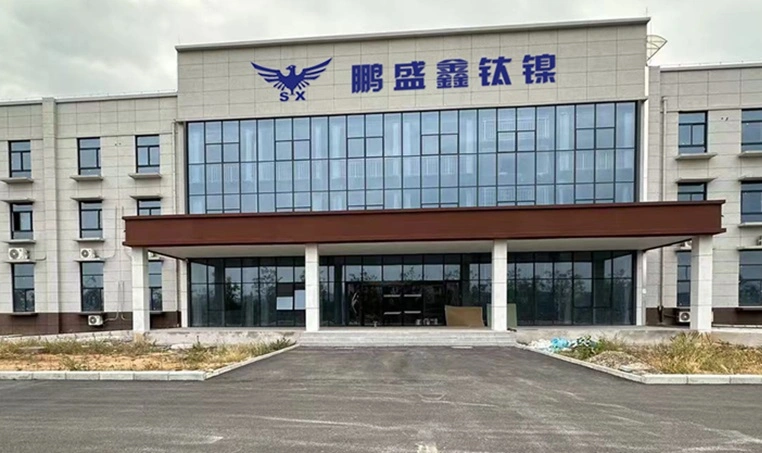
The quality of AMS 4985 titanium rods directly determines the safety and service life of high-end equipment, so selecting a professional and qualified supplier is the core of procurement work. As a professional titanium alloy manufacturer rooted in Baoji "China Titanium Valley", Baoji Pengshengxin Non-Ferrous Metal Co., Ltd (PSX) is a reliable global supplier for aerospace and industrial procurement buyers.
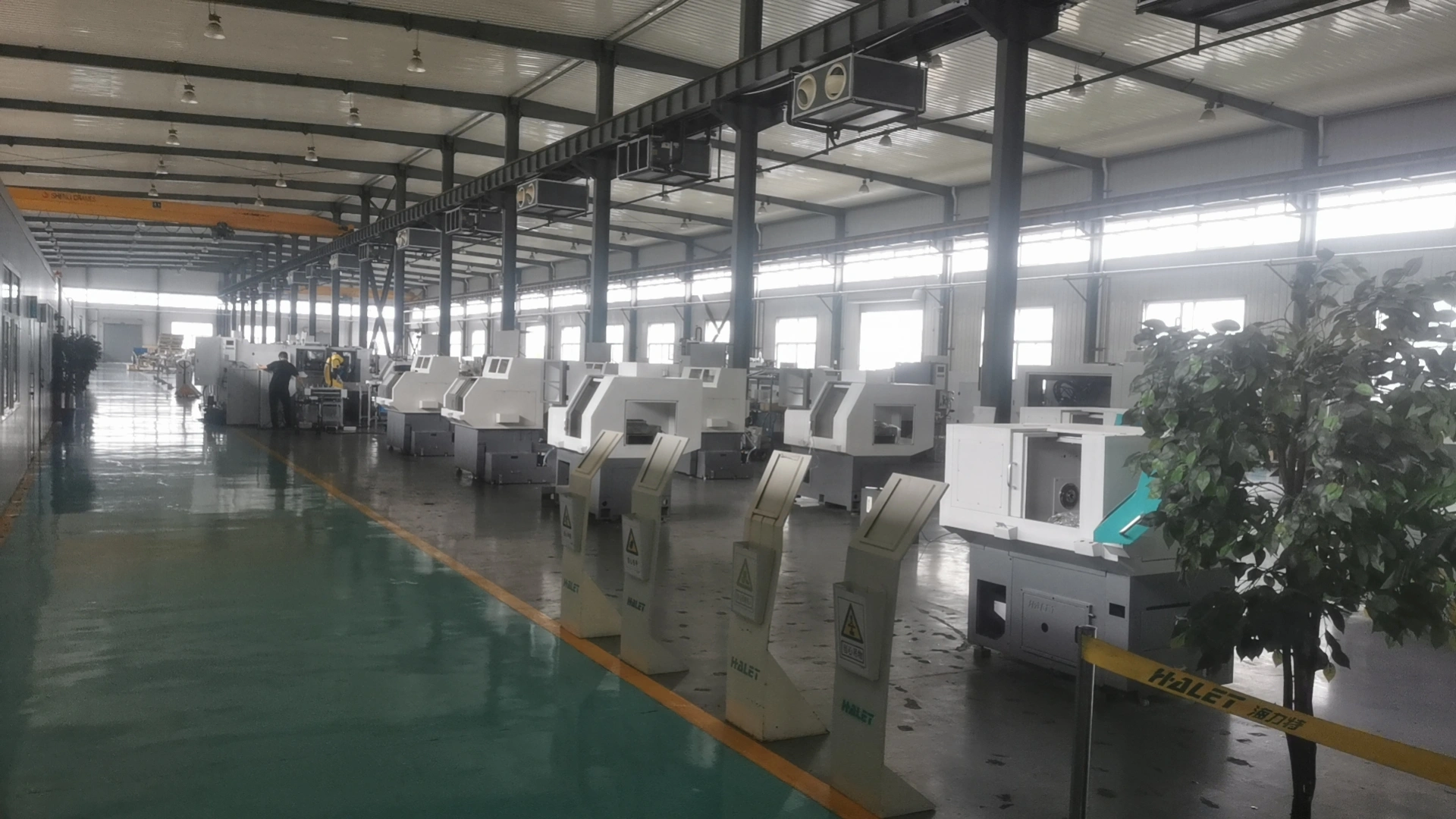
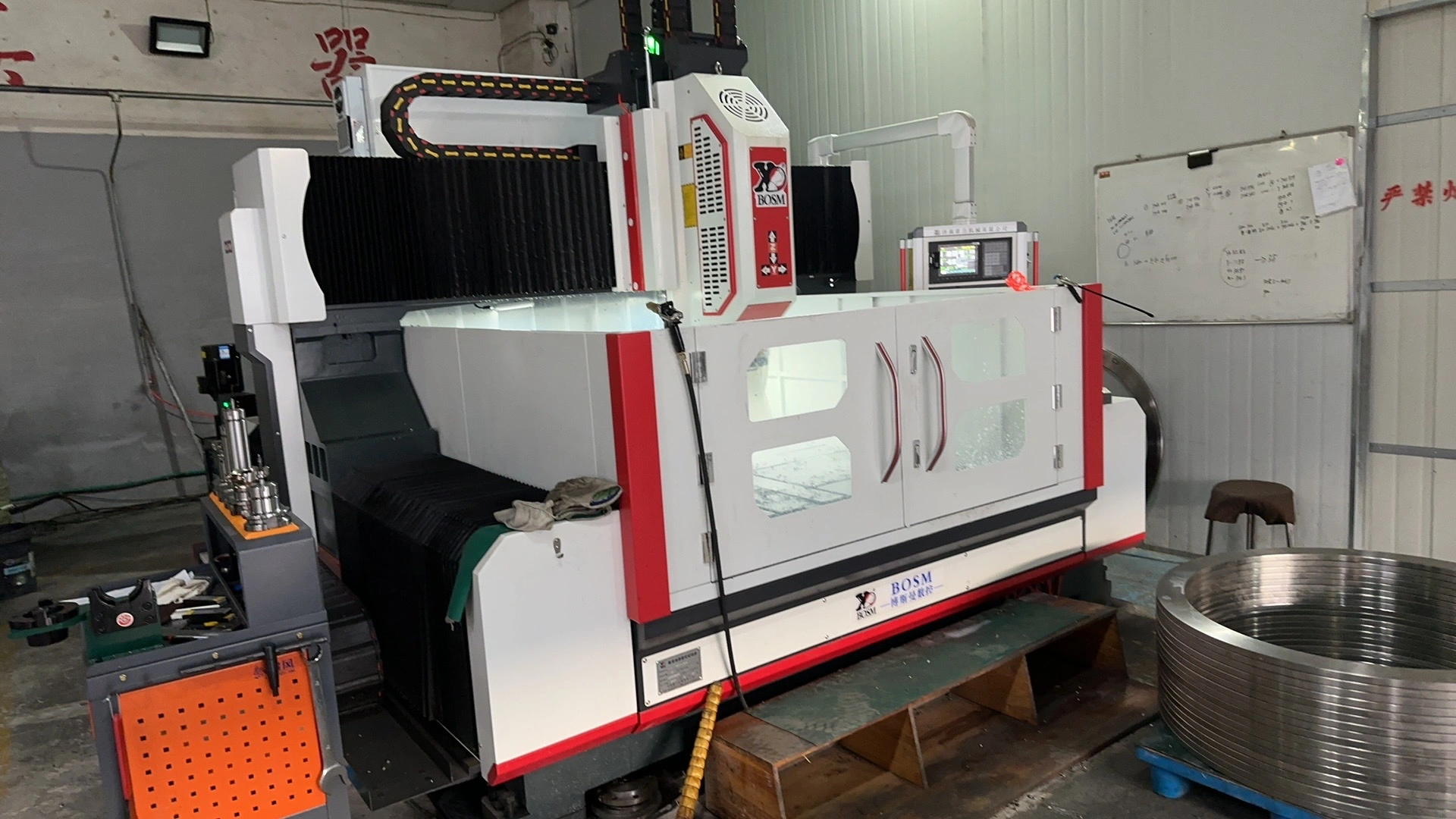
Founded in 2008, PSX has more than 18 years of professional titanium material production and processing experience, owning a 5,000+ square meters modern standardized production workshop. The factory is equipped with imported vertical milling centers, precision CNC lathes, wire-cutting equipment, and professional non-destructive testing instruments, realizing full-process independent production from Titanium Ingot smelting, forging processing to precision finishing. The company strictly implements ISO9001 and GJB9001C-2017 quality management systems, with stable batch production capacity, supporting small-batch sample customization and large-scale mass production of titanium forging products and aerospace-grade titanium rods.
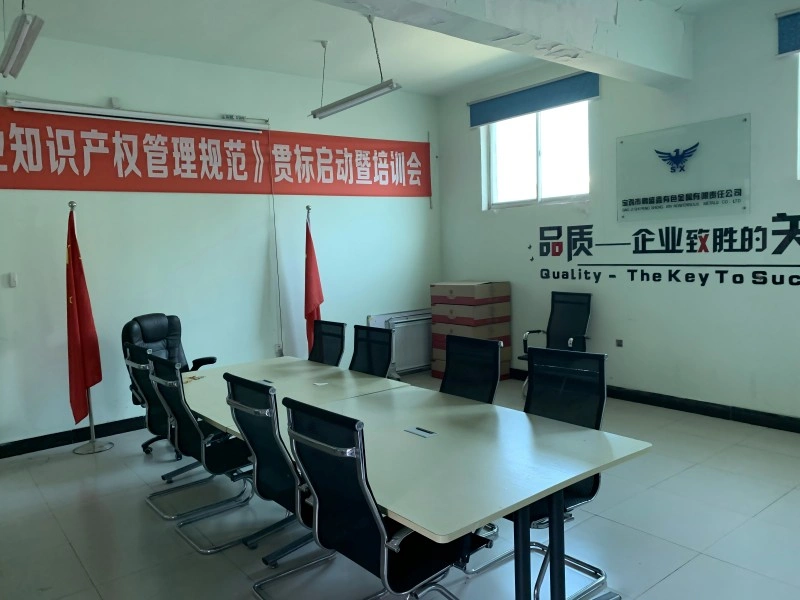
PSX has a professional technical R&D team composed of 10+ senior material engineers and many skilled technicians, including multiple doctoral technical backbones with rich experience in titanium alloy material optimization and process innovation. The company has long-term investment in technological R&D, continuously optimizing the smelting and processing technology of AMS 4985 high-temperature titanium rods, and has formed a number of mature proprietary processing technologies. The team can provide customers with professional material selection consultation, process optimization suggestions and customized solution services, ensuring that products meet the personalized high-standard requirements of global high-end industrial projects.
Affected by global titanium sponge raw material prices, aerospace market demand growth and precision processing cost fluctuations, the price of AMS 4985 titanium rods remains stable with a slight upward trend in 2026. High-temperature aerospace-grade titanium alloys have high technical barriers and strict quality inspection standards, so the price is higher than ordinary industrial titanium rods and TC4 titanium alloys. For industrial buyers, long-term bulk ordering and fixed supplier cooperation can effectively reduce comprehensive procurement costs. In addition, selecting integrated suppliers with independent production capacity can avoid intermediate price markups, and one-stop procurement of matching titanium products can further optimize project budget allocation. It is recommended that buyers reserve a certain price floating space in the budget to cope with raw material market fluctuations, and prioritize high-quality certified products over low-cost inferior materials to reduce subsequent maintenance and replacement costs.
AMS 4985 (TC11) is a professional high-temperature resistant titanium alloy with a long-term service temperature of 450°C, featuring excellent high-temperature strength and creep resistance, suitable for aerospace engine hot-end parts and high-temperature industrial equipment. TC4 (AMS 4928) is a medium-temperature universal titanium alloy with a long-term service temperature of 350°C, lower cost, and is mostly used for conventional aircraft structural parts and ordinary corrosion-resistant industrial components. The two have obvious differences in temperature resistance performance and application scenarios.
Yes. As a formal aerospace-grade titanium alloy supplier, PSX can provide complete AMS 4985 material qualification certificates, MTC material test reports, 100% ultrasonic non-destructive testing reports, heat treatment process curves, and furnace batch full traceability reports, fully meeting the acceptance and audit requirements of global aerospace and high-end industrial projects.
Absolutely. We support full-spec customized production of AMS 4985 titanium rods, from small-batch prototype trial orders to large-scale mass production. Our professional R&D and production team can adjust product specifications, precision standards and processing schemes according to customer drawings and project requirements, providing personalized one-stop solutions.
We have conventional specification products in stock, with a fast delivery cycle of 7–15 days. We support multiple international logistics methods and global door-to-door delivery services, covering Europe, North America, Southeast Asia and other major industrial markets, ensuring on-time delivery of customer orders.
[1] Wiley Online Library, Advanced Materials (2026). Research on High-Temperature Performance Optimization of Aerospace Titanium Alloys, Volume 38, Issue 25.
[2] SAE International (2025). AMS 4985 Standard Specification for Heat-Resistant Titanium Alloy Bars.
[3] Advanced Materials Journal (2025). Micro-Alloying Technology Innovation of α-β Titanium Alloys for Aerospace.
[4] Industrial Material Forum Reddit (2026). Global Procurement Standard Analysis of Aerospace-Grade Titanium Rods.
[5] Quora Industrial Community (2025). Performance Comparison and Application Selection of High-Temperature Titanium Alloys.
AMS 4985 titanium rod is an irreplaceable high-performance material in modern aerospace, defense, petrochemical and marine engineering fields, with unparalleled high-temperature resistance, lightweight strength, corrosion resistance and processing performance. For global industrial procurement managers, mastering product performance parameters, industry standards, grade differences and supplier selection criteria is the key to avoiding procurement risks and improving project quality.
As a professional titanium alloy manufacturer with 18 years of industry experience, PSX adheres to strict aerospace-grade quality standards, provides standardized and customized AMS 4985 titanium rod products and supporting titanium material solutions. With reliable certification qualifications, advanced production equipment, professional technical support and efficient global service, we have become a long-term trusted partner of global industrial manufacturers, OEMs and distributors. For high-quality AMS 4985 titanium rod procurement and customized technical solutions, welcome to contact PSX for professional consultation and quotation.
This professional buyer’s guide focuses on AMS 4985 aerospace-grade titanium rods, comprehensively analyzing its material composition, core performance parameters, multi-industry application values, and grade differences from conventional titanium alloys. It combines the latest industry technological innovations and overseas procurement market characteristics, sorting out standardized industry specifications, scientific purchasing standards, product maintenance methods, and budget optimization strategies. Meanwhile, it highlights the factory strength, R&D advantages, certification qualifications and global service capabilities of PSX, a professional titanium alloy manufacturer, providing authoritative, practical and targeted purchasing reference for overseas aerospace, petrochemical, OEM manufacturing and distribution buyers, helping them select high-quality, compliant and cost-effective AMS 4985 titanium rod products and avoid procurement risks.

September 15, 2025
Email to this supplier
September 15, 2025
Privacy statement: Your privacy is very important to Us. Our company promises not to disclose your personal information to any external company with out your explicit permission.
Fill in more information so that we can get in touch with you faster
Privacy statement: Your privacy is very important to Us. Our company promises not to disclose your personal information to any external company with out your explicit permission.