

Top Benefits of High Purity Aluminum Vanadium Master Alloy
For procurement managers at aerospace foundries, offshore oil & gas operators, medical OEMs, chemical plants and metal distributors, the performance of titanium finished components is locked in long before Titanium CNC Machining or forging begins. Aluminum Vanadium Alloy Master Alloy — our High Purity Aluminum Vanadium Alloy Master Alloy — is the foundational metallurgical feedstock for Ti‑Al‑V titanium systems such as Grade 5 / TC4. Available in AlV55 (~58% vanadium) and AlV65 (~65% vanadium), this master alloy eliminates the core pain points of direct vanadium addition. When your product portfolio includes Titanium Material, Titanium Flange, Titanium Tube , Titanium Bar and Titanium Forging, selecting consistent high‑purity Al‑V master alloy directly improves yield, reduces scrap and stabilizes the mechanical quality of your final Titanium Alloy products.

Introduction to High Purity Aluminum Vanadium Master Alloy
High Purity Aluminum Vanadium Alloy Master Alloy is a binary pre‑alloyed intermediate produced by aluminothermic reduction, designed exclusively for vacuum melting of titanium alloys. Pure vanadium has an extremely high melting point and high density. If charged directly into molten titanium, it sinks, segregates and burns off heavily, making stable composition control nearly impossible. This master alloy pre‑fuses vanadium and aluminum into an easily melted, fast‑diffusing carrier. It is irreplaceable for TC4 (Ti‑6Al‑4V), α+β and β‑type titanium alloy manufacturing. It is not a finished titanium part, but the key industrial ingredient that defines the microstructure and performance of titanium ingots, forgings, machined fittings and downstream titanium components.
Enhanced Mechanical Properties
The first and most valuable benefit of premium Aluminum Vanadium Alloy Master Alloy is predictable, repeatable mechanical performance in finished titanium. Vanadium acts as a solid‑solution strengthener inside titanium lattices, boosting tensile strength while preserving ductility and toughness. Low‑impurity high‑purity grades prevent interstitial embrittlement from oxygen, nitrogen, carbon, iron and silicon. When you melt titanium with PSX Al‑V master alloy, your ingots deliver stable elongation, fatigue resistance and fracture toughness. This matters enormously for safety‑critical parts: aircraft landing gear, medical orthopedic implants, offshore pressure components and dynamically loaded Titanium Forging parts all depend on this consistent mechanical baseline.
Improved Corrosion Resistance
Controlled impurity levels from high‑purity Al‑V master alloy protect the passive oxide film on titanium surfaces. Excess iron, carbon and nitrogen create microstructural defects that become corrosion initiation sites under seawater, chloride, acidic or sulfide environments. For offshore oil & gas customers manufacturing deep‑sea titanium pipelines, Christmas tree assemblies and corrosion‑resistant structural fittings, consistent master alloy purity extends service life and lowers risk of premature failure. This is one of the core reasons suppliers of Titanium Tube and subsea Titanium Flange specify controlled‑impurity Al‑V feedstock for their melting runs.
Superior Thermal Stability
High‑purity Aluminum Vanadium Alloy Master Alloy stabilizes titanium alloy microstructure during thermal cycling and high‑temperature service. Pre‑alloyed vanadium disperses uniformly, avoiding localized vanadium enrichment that triggers uneven phase transformation at elevated temperatures. In engine casings, turbine adjacent components and high‑temperature industrial equipment, this stability reduces thermal fatigue and deformation risk. It also simplifies heat treatment workflows for titanium manufacturers, because batch‑to‑batch composition consistency removes guesswork from solution treatment and aging cycles.
Lightweight Material Advantages
Titanium alloys are selected for their outstanding strength‑to‑weight ratio, and high‑quality Al‑V master alloy preserves this lightweight advantage. Poor segregation or impurity contamination forces over‑design and extra material thickness to compensate for weak spots. With uniform vanadium distribution from PSX master alloy, engineers can design titanium components to their target lightweight specifications without hidden safety margins. This benefit drives adoption across aerospace airframes, rail transport lightweight structures and electric vehicle titanium parts, where every kilogram saved cuts fuel consumption or boosts payload capacity.
Applications in Aerospace Industry
- Primary feedstock for TC4, TC11 and TC17 titanium alloy ingots for aircraft structural components, landing gear and engine static parts.
- Supplies titanium alloy blades, engine casings, ducts and airframe fittings.
- Supports strict AMS and aerospace quality traceability requirements for every melting batch.
Benefits for Automotive Manufacturing
Automotive OEMs and tier‑one suppliers are increasingly adopting lightweight titanium components for high‑performance and new‑energy vehicle programs. High‑purity Aluminum Vanadium Alloy Master Alloy enables stable production of titanium alloy suspension parts, connecting rods and heat‑resistant exhaust components. Consistent vanadium recovery and low scrap rates help automotive metallurgy teams hit cost targets while meeting vibration damping and fatigue cycle requirements. PSX’s flexible particle sizing and automated feeding compatibility suit high‑volume continuous melting workflows for automotive titanium material production.
Role in Electronics Production
Specialized titanium alloy components for semiconductor thermal management, high‑frequency shielding and precision electronic hardware rely on stable alloying. Low gas content from high‑purity Al‑V master alloy avoids outgassing and micro‑porosity issues inside vacuum electronics assemblies. Manufacturers producing precision Titanium CNC Machining electronic substrates and heat spreaders choose controlled‑impurity Al‑V master alloy to keep material properties uniform across high‑volume small‑part runs.
Latest Industry Technical Trends
Global titanium metallurgy is rapidly shifting toward ultra‑low‑gas master alloy grades formulated for titanium powder metallurgy and additive manufacturing. Inert atmosphere crushing and hermetic packaging are moving from premium options to standard requirements for aerospace and medical batches, paired with full particle size distribution reporting on certificates of analysis. Titanium additive manufacturing developers are partnering with master alloy producers to develop fine‑particle, low‑oxygen Al‑V variants for powder atomization and blending. Buyers are increasingly demanding full supply chain traceability and carbon footprint disclosure. The market is separating commodity‑grade Al‑V master alloy from premium controlled‑impurity grades, and suppliers with stable spectroscopy testing and dedicated high‑purity production zones are becoming preferred vendors for large Western titanium manufacturers.
Five Key Concerns of Western Industrial Buyers
US and European procurement managers prioritize five non‑negotiable criteria when sourcing Aluminum Vanadium Alloy Master Alloy. First, strict impurity caps for oxygen, nitrogen and carbon, which directly control fatigue life and ductility for aerospace and medical titanium. Second, fully auditable batch traceability and consistent spectroscopic COA documentation for qualification audits. Third, flexible particle size customization matched to EB furnaces, vacuum arc furnaces and automated feeding systems. Fourth, predictable lead times and secure long‑term supply contracts to avoid melting line downtime. Fifth, valid quality certifications including ISO9001 and military quality standards, plus willingness to support third‑party factory audits. For high‑end applications, consistent quality and supply reliability routinely outrank raw material pricing as the primary buying decision factor.
New R&D and Application Developments
Active R&D for Aluminum Vanadium Alloy Master Alloy is expanding beyond standard TC4 production toward custom formulations for advanced β‑titanium, high‑temperature titanium alloys and metal additive manufacturing. Research teams are developing trace‑element controlled Al‑V variants to simplify alloying sequences and reduce the number of feed materials added in a single vacuum heat. Low‑dust, free‑flowing granular grades are being refined for continuous automated feeding systems in modern titanium melting lines. Medical implant standards keep tightening interstitial impurity limits, pushing manufacturers to deploy dedicated high‑purity zones and lot‑isolated tooling. This R&D also links master alloy homogeneity directly to titanium powder sphericity and consistency for 3D printing, opening a fast‑growing supply segment for metal AM factories. PSX’s internal engineering team supports custom trial batches and collaborative material development for qualified long‑term partners.
Product Usage and Maintenance Guidance
Standard Operation Steps
- Select AlV55 for general TC4 production; select AlV65 for high‑vanadium β‑titanium formulas.
- Confirm particle size matched to your furnace type; fine powder grades require extra dust containment.
- Charge the master alloy at the designed stage of your vacuum melting cycle to maximize vanadium recovery and uniform diffusion.
- Record batch numbers and COA data and link them to Titanium Ingot production records for full traceability.
Storage & Inventory Management
- High‑purity aerospace and medical grades must be stored in sealed, dry packaging to limit oxygen absorption; fine crushed particles oxidize faster.
- Maintain low warehouse humidity and separate AlV55 and AlV65 inventory clearly to prevent grade mixing errors.
- Use sealed high‑purity batches promptly after opening to avoid gradual oxygen uptake that harms final titanium performance.
Industry Standard Overview & Quality Specifications
High‑purity Aluminum Vanadium Alloy Master Alloy supplies titanium alloys covered by ASTM B348 and ASTM F136 for Gr5 and Gr23 medical titanium. Aerospace buyers reference AMS specifications, while military and aerospace supply chains require GJB and ISO9001 quality management controls. PSX holds ISO9001 and GJB9001C‑2017 certification, so our master alloy, Titanium Rod , Titanium Tube and precision machined titanium components follow audited, repeatable QC workflows. Every furnace lot is full‑spectrum tested before shipment, and material certificates are issued for every shipment.
PSX Factory Strength, R&D Team & Innovation Achievements
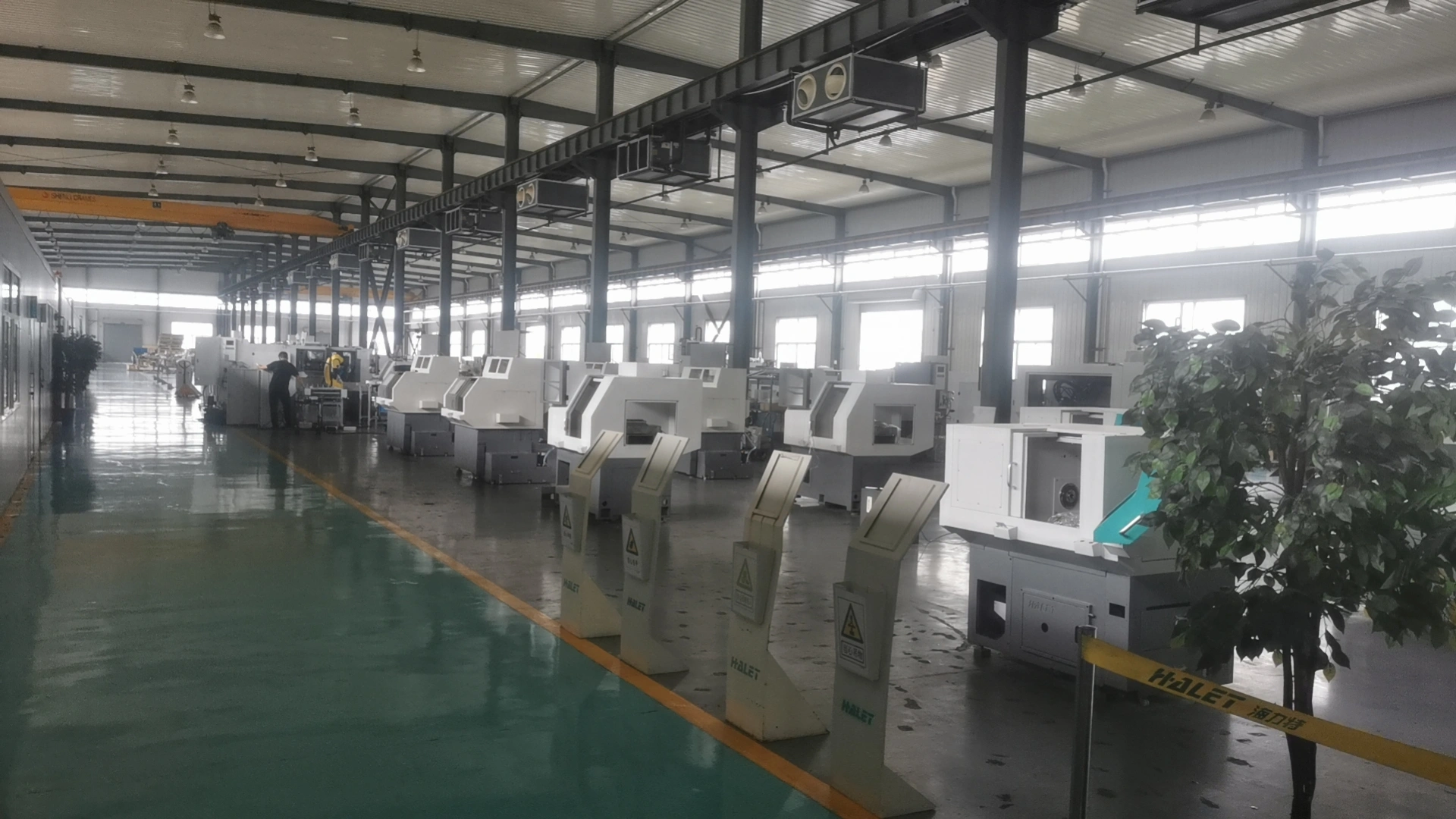
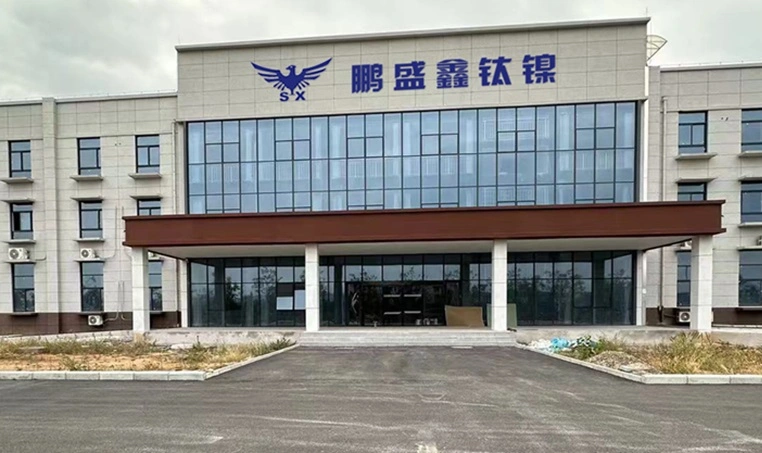
Baoji Pengshengxin Non-Ferrous Metal Co., Ltd, operating under the PSX brand, was founded in 2008 inside Baoji High‑Tech Titanium Valley. Our 5,000+ square meter facility hosts modern CNC machining centers, sawing, milling, wire‑cutting and analytical testing equipment. Our technical team includes over 10 professional material engineers and multiple PhD‑level senior specialists focused on non‑ferrous alloy formulation and smelting optimization. We support small‑batch R&D trial orders and mass serial production for global OEMs, distributors and end manufacturers. Our export network covers Europe, North America, Asia and Africa, with a multilingual technical sales team assisting clients from material selection through qualification documentation and after‑sales support.
Environmental Impact and Sustainability
ESG and carbon footprint management are increasingly critical for European and American industrial buyers. Optimized aluminothermic reduction and closed crushing systems for Aluminum Vanadium Alloy Master Alloy cut particulate emissions and energy consumption. Stable vanadium recovery reduces raw material consumption and the energy spent on re‑melting scrapped titanium ingots. Durability itself is a sustainability gain: titanium components made with qualified high‑purity Al‑V master alloy have longer service cycles and lower replacement frequency in offshore, aerospace and medical assets. PSX adopts recyclable packaging and classified waste management, and we can provide supporting documentation for CBAM and supplier ESG assessment for qualified long‑term partners.
Future of Aluminum Vanadium Alloys
Global demand for Aluminum Vanadium Alloy Master Alloy will keep rising across offshore deep‑sea oil & gas, rail lightweighting, medical implant manufacturing and additive manufacturing. The strongest growth vector is titanium powder for 3D printing, which demands ultra‑consistent composition and tightly controlled particle characteristics. Long‑term supply chain resilience and transparent ESG reporting will become standard vendor qualification criteria for Western titanium buyers. PSX plans to expand high‑purity master alloy production and develop custom grades tailored to evolving powder metallurgy and near‑net‑shape manufacturing requirements.
FAQ
Q: How do I choose between AlV55 and AlV65?
A: AlV55 delivers moderate vanadium content and broad versatility, making it the primary selection for most TC4 titanium alloy manufacturers. AlV65 carries higher vanadium concentration. It is used when your formula needs a high vanadium ratio and you aim to reduce the total master alloy addition weight; it is widely adopted for premium β titanium alloys.
Q: Are vanadium-aluminum alloys susceptible to oxidation?
A: Solid bulk finished material forms a thin passivated surface layer and tolerates short‑term normal storage. Fine crushed particles and powder fractions absorb oxygen much faster. High‑end aerospace and medical grades must be stored in sealed containers and consumed quickly after opening.
Q: Can PSX customize particle size for our melting furnace?
A: Yes. We tune particle specifications for vacuum arc furnaces, electron beam furnaces and chill bed furnaces, with low‑dust flowability optimized for automated batching systems.
Conclusion: Future of Aluminum Vanadium Alloys
The core benefits of High Purity Aluminum Vanadium Alloy Master Alloy extend far beyond simple alloying. It delivers improved mechanical strength, reliable corrosion resistance, thermal stability, lightweight design performance and lower overall manufacturing costs for titanium producers. For aerospace, medical, offshore, automotive and electronics manufacturers, consistent master alloy quality is the foundation of compliant, high‑performance titanium products. PSX, your trusted titanium solution partner, supplies certified, traceable Aluminum Vanadium Alloy Master Alloy alongside a full portfolio of titanium products including Titanium Alloy, Titanium Material, Titanium CNC Machining, Titanium Flange, Titanium Tube, Titanium Bar and Titanium Forging. Partner with PSX to stabilize your melting workflow and raise the quality of your finished titanium components.
References
1. Wikipedia contributors. Titanium alloy, 2025, Wikimedia Foundation.
2. Carter, J. “Master Alloy Impurity Control for Titanium Fatigue Performance”, International Non‑Ferrous Metallurgy Forum, 2025, Industrial Material Technical Forum.
3. Quora Materials Science Community. “How Al‑V Master Alloy Affects TC4 Titanium Durability”, 2025, Quora.
4. AMS Technical Committee. “Impurity Limits for Aerospace Titanium Master Alloys”, 2024, Aerospace Material Specification Working Paper.
5. Reddit Metallurgy Subreddit. “Vanadium Recovery and Segregation Control in Vacuum Titanium Melting”, 2025, Reddit.
Connect with PSX
Visit our social media channels:
Facebook: PSX Facebook Profile
YouTube: PSX YouTube Channel
Instagram: PSX Instagram
Baoji Pengshengxin Non-Ferrous Metal Co., Ltd | PSX Brand


