

Send Message
Privacy statement: Your privacy is very important to Us. Our company promises not to disclose your personal information to any external company with out your explicit permission.


Published by PSX Titanium | For Medical Device Procurement Managers, OEM Manufacturers, Medical Component Distributors

Gr3 (TA3, UNS R50550) industrial pure titanium rod is a premium grade of Titanium Material. It delivers higher tensile strength than Gr1 and Gr2 pure titanium, paired with excellent corrosion resistance, stable ductility and reliable weldability. With a low density of only 4.51 g/cm³, it achieves outstanding specific strength for medium-load structural parts.
Our High Strength Gr3 Titanium Rod is manufactured via hot forging, hot rolling plus precision grinding. The finished surface is smooth, crack-free and flake-free with strictly controlled dimensional tolerances. We support cut-to-length processing, Titanium CNC Machining and full custom specifications. Every batch comes with official MTC material certificates and full production traceability from raw titanium ingot to finished bar.
Thanks to strictly controlled impurity content and ultra-low metal leaching, medical-grade Gr3 titanium rod meets strict biocompatibility requirements, making it an ideal raw material for orthopedic implants and surgical instruments.
Bone screws, compression bone plates, intramedullary nails, spinal fixation brackets and fracture fixation components
Forceps, scalpels, surgical probes, orthopedic cutting tools and minimally invasive surgical instrument blanks
Dental implant posts, abutment blanks and jaw bone reconstruction fixation parts (medical certification required)
Cardiovascular device brackets, medical equipment housings and food-grade medical preservation equipment parts
Global medical device manufacturers are raising material purity standards for pure titanium implants. Current R&D focuses on ultra-low-oxygen Gr3 titanium rod with strictly controlled Fe, C and interstitial impurity content to further reduce ion precipitation inside human tissue. Many medical OEMs are shifting from Gr2 to Gr3 titanium for load-bearing bone implants, as Gr3 delivers higher tensile strength without adding alloying elements that may trigger biocompatibility risks. New precision hot rolling and mirror polishing technology eliminates surface micro-cracks, lowering bacterial adhesion on implant surfaces and reducing post-operation infection rates. Manufacturers are also combining Gr3 titanium blanks with CNC precision machining to produce patient-specific personalized implants, which is becoming a mainstream direction in orthopedic medical manufacturing. Meanwhile, stricter batch traceability systems are required by global medical regulatory bodies; every rod batch must carry full material test records from raw ingot to finished product.
Medical device buyers have far stricter requirements than general industrial purchasers. First, full material purity control and compliance with ASTM B348 plus ISO 13485 medical material standards, with complete MTC chemical and mechanical test reports for FDA audit. Second, zero surface defects: no micro-cracks, peeling or scratches on the polished rod surface, which directly affects implant safety. Third, strict batch traceability; every production step must be recorded so that defective batches can be fully recalled. Fourth, flexible OEM precision processing including fixed-length cutting, chamfering, mirror polishing and turning for implant blanks, plus support for small-batch prototype trial orders before mass production. Fifth, dust-free clean-room packaging, moisture-proof and sterile export packaging that meets medical logistics requirements. Most medical OEMs will reject suppliers who cannot provide third-party non-destructive testing (eddy current & UT) and full certification documents.
Gr3 titanium rod for medical implants is mainly governed by ASTM B348 (Standard Specification for Titanium and Titanium Alloy Bars and Billets), covering chemical composition, mechanical properties and surface quality. The unified grade number is UNS R50550. For medical implant applications, material must also meet ISO 13485 medical quality management requirements and biocompatibility test standards (ISO 10993).
PSX can supply medical-purity Gr3 titanium rod with low interstitial element content, and we can provide full material test reports, non-destructive inspection documents and batch traceability records to support FDA, CE and other medical certification audits for your finished implant products.
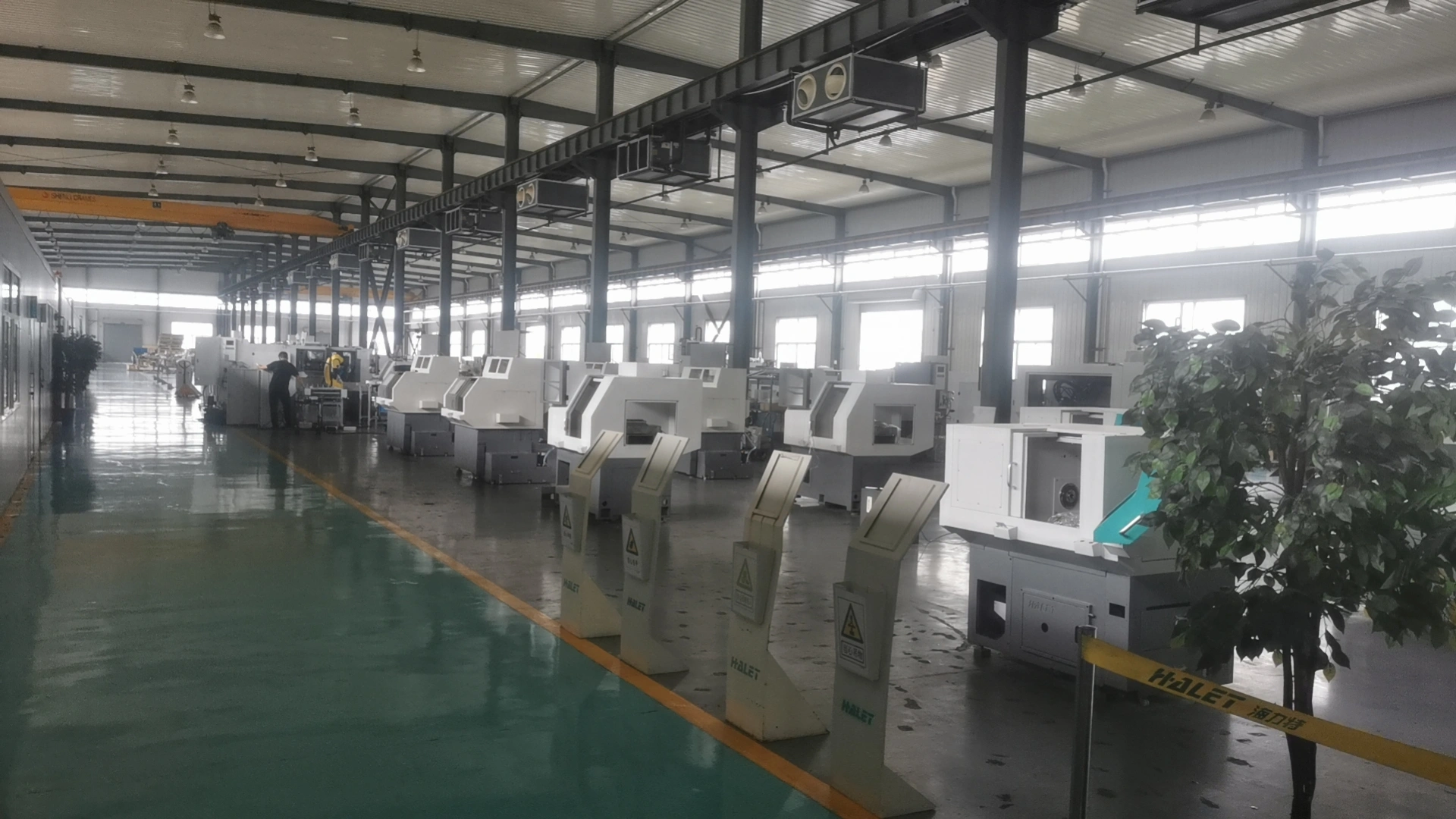
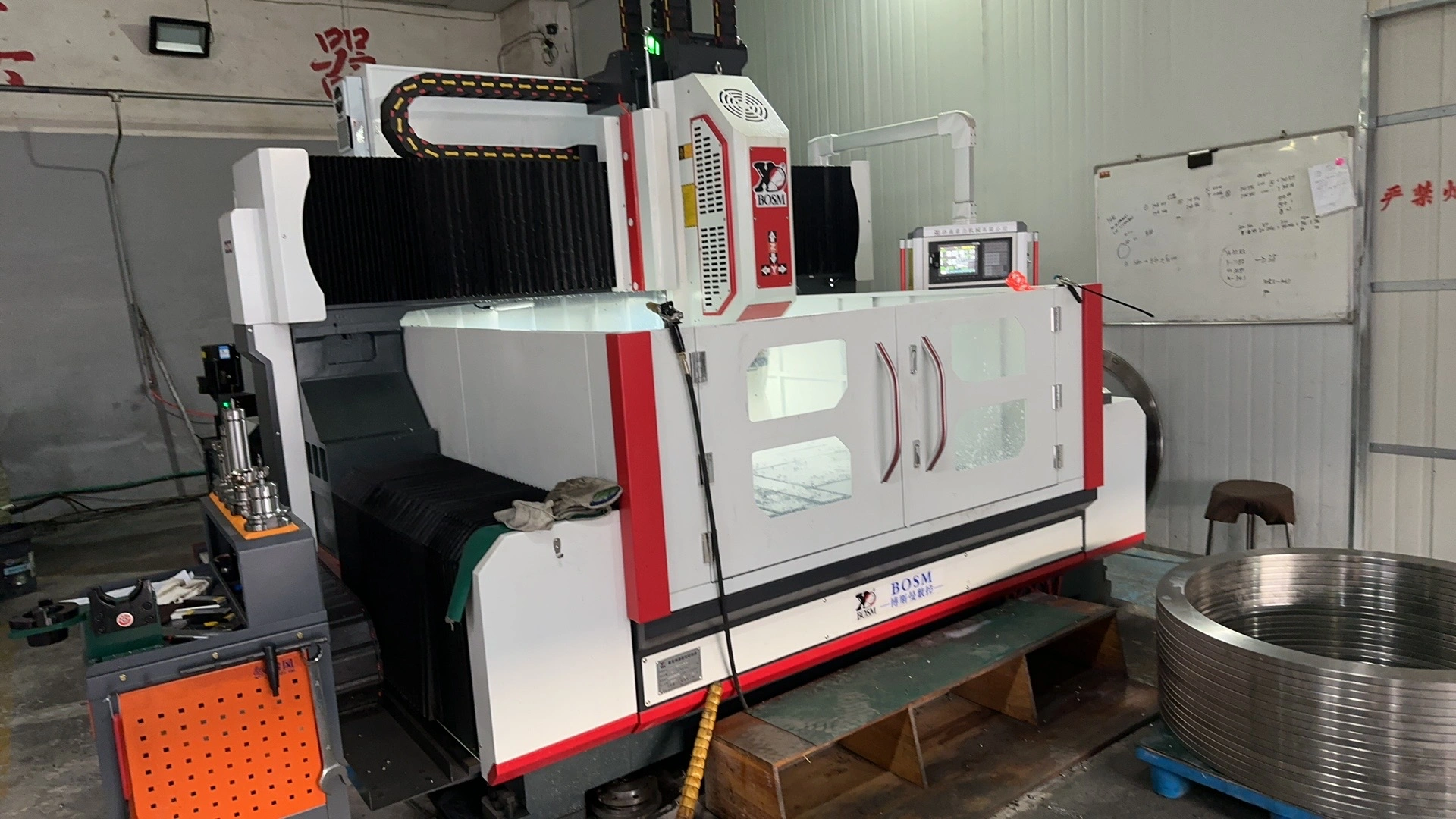
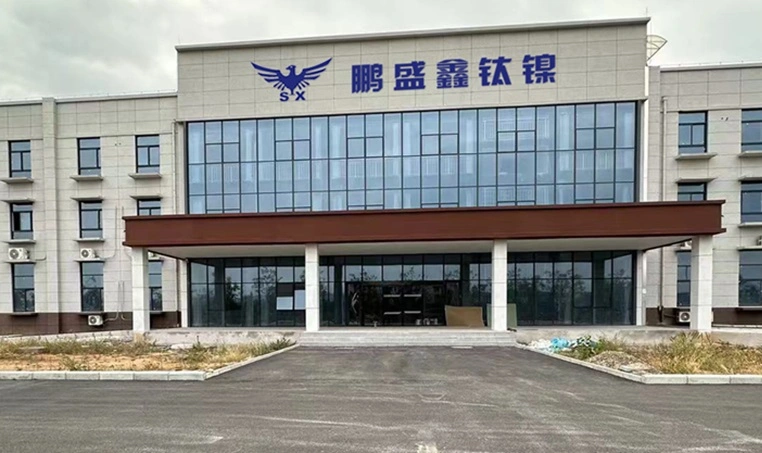
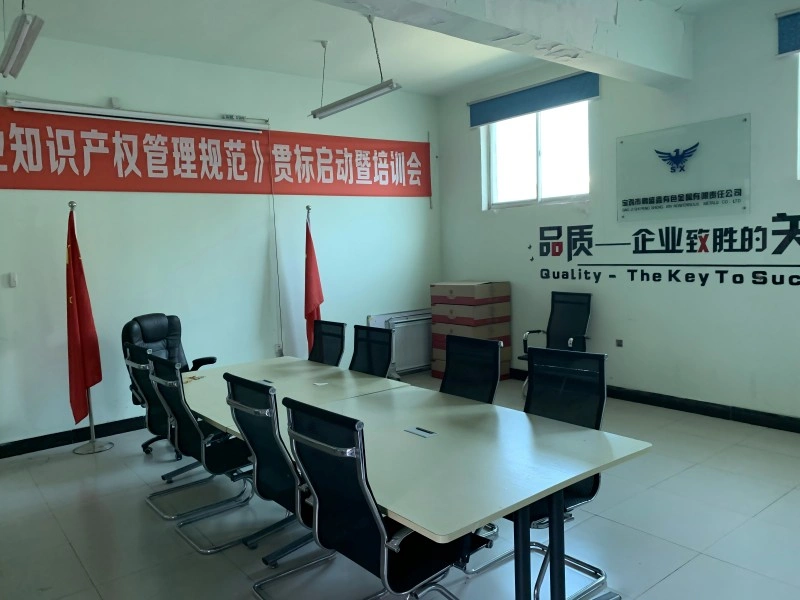
Company Background: Founded in 2008, PSX Titanium is located in Baoji’s Titanium Valley, with a 5,000+㎡ modern production plant. We hold ISO9001 and GJB9001C-2017 certifications, and we strictly implement clean production standards for medical-grade titanium materials.
R&D Team: We have more than 10 professional technical engineers, including over 8 PhD material specialists. Our R&D team continuously optimizes smelting and rolling processes to lower impurity content for medical implant raw materials, and we own multiple precision machining patents for Titanium Rod blanks.
Full Product Range: We produce Titanium Tube, Titanium Flange, Titanium Forging , Titanium CNC Machining blanks, Titanium Alloy and Titanium Ingot for both industrial and medical sectors.
We support small prototype orders and large-volume bulk production, with full OEM customization including cutting, chamfering, mirror polishing and turning for medical implant blanks.
A1: Gr3 has higher tensile strength and load capacity than Gr2, which effectively prevents implant fracture under long-term body stress, while still maintaining excellent biocompatibility without extra alloy additions.
A2: Yes, we strictly control oxygen, iron and carbon content for medical batches. We provide full MTC chemical analysis reports to meet ISO 10993 biocompatibility test requirements.
A3: We offer optional eddy current and UT inspection to eliminate internal cracks and inclusions; all inspection documents can be provided for FDA and CE certification audits.
A4: Yes, we provide full OEM processing including fixed-length cutting, chamfering, surface mirror polishing and precision turning per your technical drawings.
Send us your drawing specifications, purity requirements and order quantity. We will provide factory-direct pricing, full MTC material certificates and clean OEM processing solutions within 24 working hours.
PSX Titanium | ISO & GJB Certified Manufacturer | Medical Titanium Raw Material Supplier

September 15, 2025

October 30, 2026

October 29, 2026
Email to this supplier
September 15, 2025
October 30, 2026
October 29, 2026
Privacy statement: Your privacy is very important to Us. Our company promises not to disclose your personal information to any external company with out your explicit permission.
Fill in more information so that we can get in touch with you faster
Privacy statement: Your privacy is very important to Us. Our company promises not to disclose your personal information to any external company with out your explicit permission.