

Send Message
Privacy statement: Your privacy is very important to Us. Our company promises not to disclose your personal information to any external company with out your explicit permission.


For global medical‑device OEM factories, implant manufacturers and procurement managers, ASTM F136 Grade 23 Titanium Bar (Ti‑6Al‑4V ELI, UNS R56401) is forged implant‑grade Titanium Alloy engineered exclusively for permanent surgical implant applications. Compared to conventional Grade5 Titanium Rod, it imposes rigid limits on interstitial impurities including oxygen ≤0.13%, hydrogen, nitrogen and carbon. PSX Baoji Pengshengxin Non‑Ferrous Metal Co., Ltd manufactures this premium bar stock as part of our comprehensive Titanium Material product range, alongside Titanium Forging, Titanium CNC Machining, Titanium Tube and Titanium Flange for worldwide medical‑device supply chains. Every batch is smelted, forged, rolled and non‑destructively tested complying with ASTM F136, with full‑process traceability, MTR, UT‑MT inspection reports and spectroscopic analysis documents satisfying ISO13485 medical‑supply‑chain requirements.
ASTM F136 Grade 23 titanium bar delivers outstanding corrosion resistance in human‑body fluid environments including blood, synovial fluid and saline solutions. It resists electrochemical corrosion and minimizes metal‑ion leaching, eliminating inflammation risks for long‑term implanted hardware. Beyond medical fields, this corrosion‑resistant property also draws interest from chemical and petroleum‑industry engineering teams.
Grade23 ELI titanium alloy provides high tensile strength while maintaining low density. Its excellent strength‑to‑weight ratio helps OEM designers produce lightweight implant hardware without sacrificing mechanical integrity, reducing overall implant load on patient bone tissue, a huge advantage versus heavier stainless‑steel alternatives.
One of its most irreplaceable advantages: excellent biocompatibility. The material is non‑allergenic, non‑cytotoxic and biologically inert. It will not trigger rejection responses inside human tissue, making it the gold‑standard raw material for permanent orthopedic, spinal, dental and cranio‑maxillofacial implants.
Thanks to ultra‑low interstitial (ELI) chemistry, ASTM F136 Grade 23 Titanium Bar features remarkable fatigue‑crack‑propagation resistance. Components manufactured from this grade survive millions of cyclic bending, torsion and impact loads inside the human body, critical for spinal connecting rods, intramedullary nails and other dynamic load‑bearing implant parts where fracture failure cannot be tolerated.
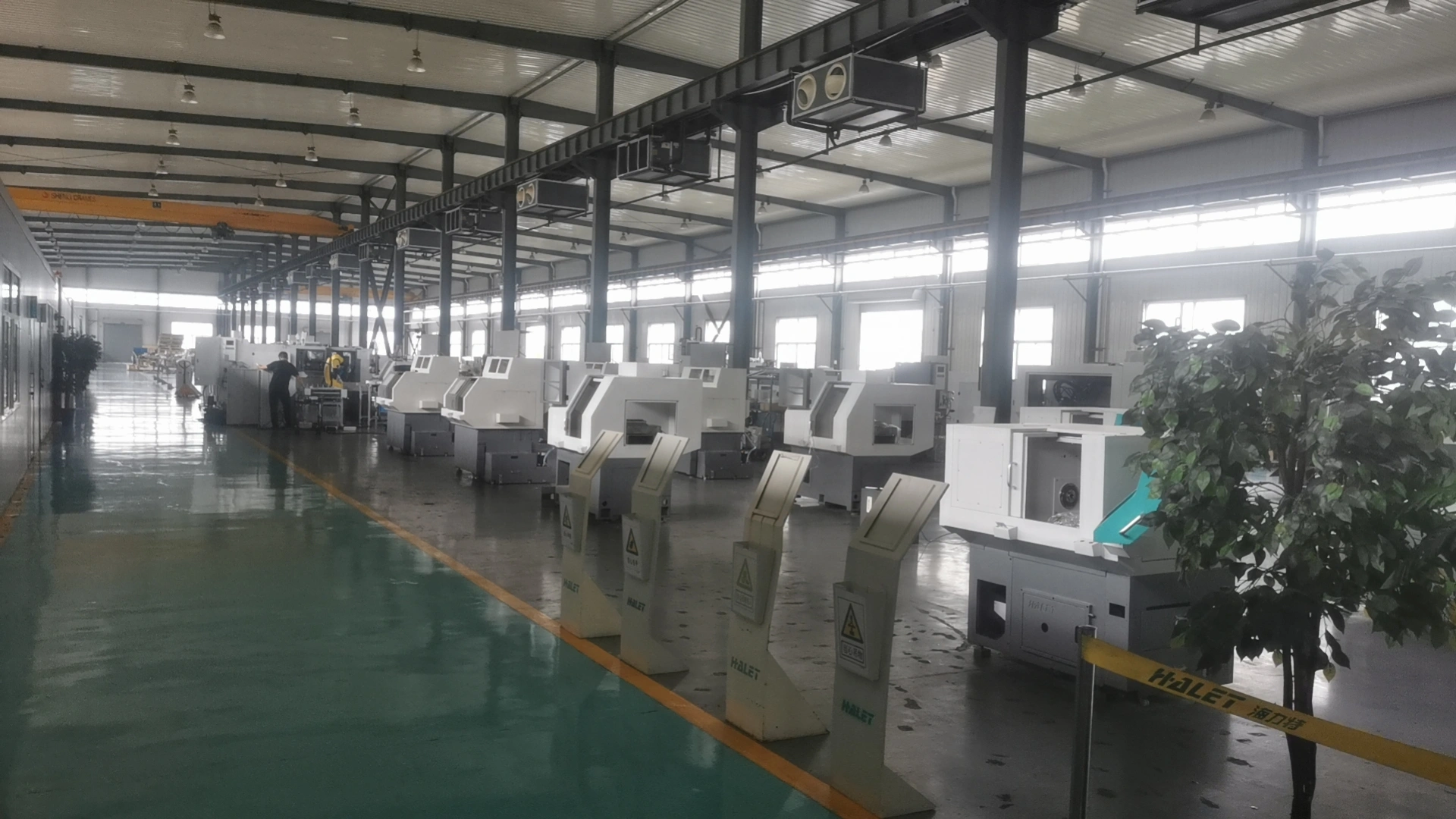
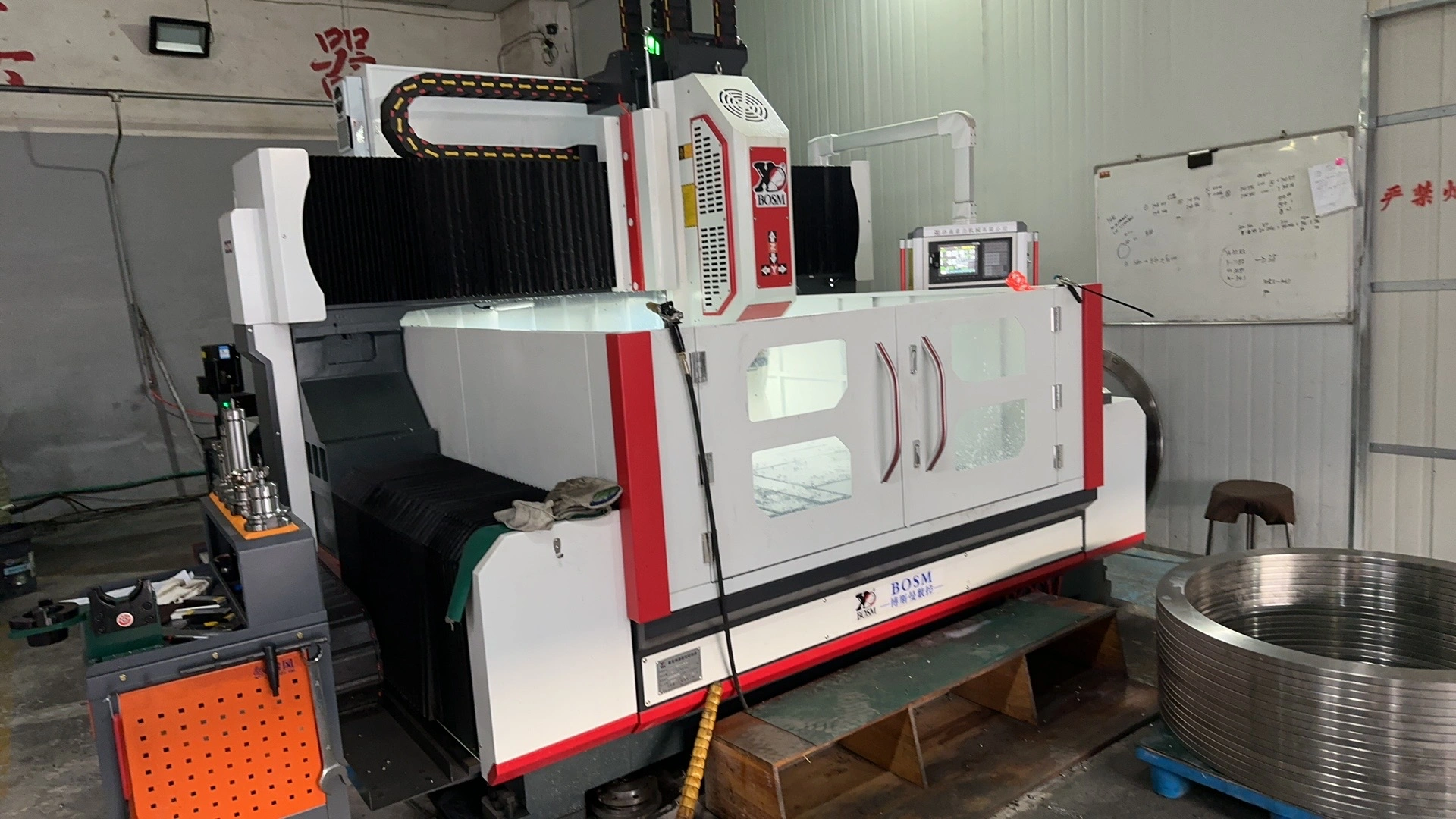
Forged Grade23 bar has homogeneous, segregation‑free microstructure, performing well in turning, milling, deep‑hole drilling and high‑precision Titanium CNC Machining. It supports mass‑volume automated manufacturing for micro‑sized dental implant components and large orthopedic bone plates, lowering reject rates during high‑speed OEM production cycles.
Ti‑6Al‑4V ELI titanium alloy is completely non‑magnetic. Implants machined from Grade23 bar will not shift, heat or distort during MRI medical scanning procedures. This property eliminates safety hazards and image artifacts for patients requiring post‑implant MRI examinations, a vital feature for modern medical‑device design.
With low cold‑brittleness risk brought by ELI low‑oxygen formula, Grade23 titanium maintains stable mechanical performance for decades inside human tissue. For permanent implants that stay in‑vivo for patient’s lifetime, long‑term material stability directly reduces revision‑surgery risk and improves clinical long‑term outcomes.
While ASTM F136 Grade 23 titanium bar carries higher upfront raw‑material cost than Grade5 titanium or stainless steel, it delivers superior total‑cost‑of‑ownership. Its low failure rate reduces post‑market device recalls, clinical revision expenses and production rejects. Medical OEMs gain higher finished‑product reliability and stronger market‑competitiveness for high‑end implant lines.
Qualified Grade23 implant‑grade bar stock requires individual ultrasonic (UT) plus magnetic‑particle (MT) non‑destructive inspection. This mandatory testing eliminates hidden internal shrinkage cavities, inclusions and surface cracks. Each batch ships with complete inspection documentation, helping manufacturers meet strict regulatory audit requirements for medical‑device supply chains.
Though primarily developed for surgical implants, ASTM F136 Grade 23 Titanium Bar shows broad application flexibility: orthopedic trauma hardware, spinal fixation components, dental implant blanks, cranio‑maxillofacial micro‑fixation parts, sports‑medicine anchors, high‑vibration surgical‑instrument shafts, university R&D test specimens and custom‑implant forging pre‑blanks. PSX supplies custom‑finished bar (hot‑rolled, turned, ground, centerless‑polished) to match diversified project requirements.
Global medical‑titanium supply‑chains are accelerating digital traceability transformation for implant‑grade titanium bar. More North‑American and European medical‑device auditors require fully‑digitized retrievable MTR, spectroscopic and non‑destructive‑testing archives instead of paper‑only certificates. Optimized forging workflows continuously reduce micro‑segregation risk for small‑diameter Grade23 titanium bar used in high‑end dental OEM production. Hybrid manufacturing workflows combining wrought Grade23 bar blanks plus additive‑manufacturing post‑processing gain wider adoption for patient‑specific custom‑implant projects. Qualified raw‑material manufacturers keep deploying automated inline surface‑defect‑detection stations to lower human‑inspection error risk for high‑value medical‑grade titanium batches.
Procurement managers of EU and US medical‑device OEMs focus on five core evaluation dimensions while sourcing ASTM F136 Grade 23 Titanium Bar. First is complete, audit‑ready document packages: original MTR, UT‑MT inspection records and spectroscopic analysis reports complying with ISO13485 traceability rules. Second is stable dimensional accuracy and surface‑quality consistency, especially critical for small‑diameter centerless‑ground dental‑implant bar stock. Third is verifiable supplier quality‑system certifications plus proven track‑record of implant‑grade‑material delivery. Fourth is consistent batch‑to‑batch metallurgical performance, avoiding unexpected production‑line rejects in high‑volume CNC‑machining workflows. Fifth is balanced supplier capacity for low‑volume R&D sample orders and predictable‑lead‑time large‑volume mass‑production, with multilingual technical‑sales support for cross‑border communication.
Recent material‑processing R&D expands application boundaries for Ti‑6Al‑4V ELI Grade23 wrought bar stock. Medical‑OEM teams increasingly adopt forged Grade23 bar as subtractive‑machining blanks for patient‑matched custom implants, taking advantage of wrought material’s superior mechanical reliability compared to pure 3D‑printed titanium components. Universities and biomedical‑research labs keep raising procurement volumes of Grade23 test‑bar specimens for biomechanical animal‑experiment and biomaterial‑validation projects. Another emerging application field applies ASTM F136 Grade23 raw‑stock for high‑cycle‑vibration minimally‑invasive‑surgical‑instrument core shafts, leveraging its outstanding anti‑fatigue performance. Supply‑chain participants continuously optimize centerless‑grind and precision‑polish workflows to further reduce surface‑defect rates for downstream implant‑component mass‑manufacturing.
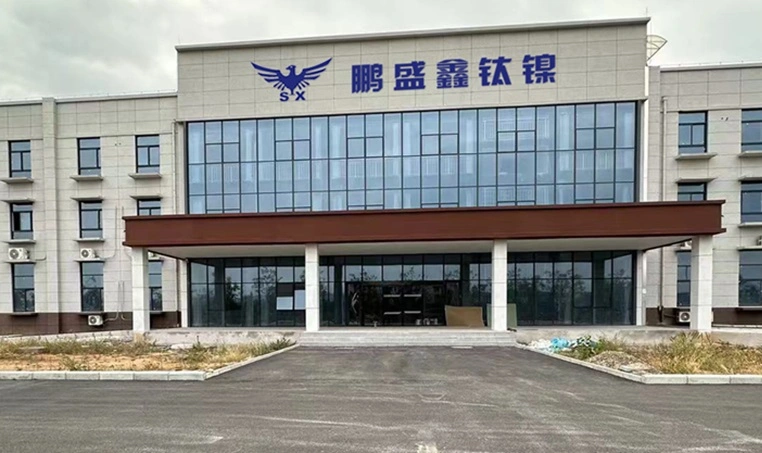
Baoji Pengshengxin Non‑Ferrous Metal Co., Ltd (PSX Brand), founded in 2008, is located in Baoji “China’s Titanium Valley”. Our factory occupies over 5 000 ㎡, equipped with modern‑purpose‑built workshops, imported CNC machining centers, vertical milling machines and dedicated non‑destructive‑inspection testing equipment. Our in‑house R&D team consists of more than 10 professional material‑science engineers and experienced senior technicians, multiple team members hold PhD‑level technical backgrounds. We hold ISO 9001 and GJB9001C‑2017 quality‑system certifications. Our production capacity supports both small‑batch medical‑R&D prototype orders and large‑volume serial‑production for Titanium Bar, Titanium Forging, Titanium CNC Machining and other Titanium Alloy‑based products. We provide diversified custom‑processing services for ASTM F136 Grade23 titanium bar, including multiple surface finishes, custom‑cut lengths, chamfering, peeling and centerless‑grinding services.
A1: ASTM F136 Grade23 (Ti‑6Al‑4V ELI) enforces far‑stricter limits on interstitial elements especially oxygen ≤0.13%, delivering higher fracture toughness and cold‑brittleness resistance for permanent implant use. Standard Grade5 Ti‑6Al‑4V is for general‑purpose industrial use and shall not substitute Grade23 for permanent load‑bearing implants.
A2: Implants made from Grade23 titanium bar will not move or overheat during MRI scanning, avoiding patient safety risks and distorted imaging results, which is essential for modern clinical patient follow‑up examinations.
A3: Yes. We supply hot‑rolled, precision‑turned, ground and centerless‑bright‑polished surfaces, supporting custom length, chamfering, peeling and centerless‑grinding for prototype and mass‑production orders.
A4: Every batch includes original manufacturer MTR material‑test‑certificate, UT‑MT non‑destructive‑testing report and spectroscopic‑analysis report, meeting ISO13485 traceability‑audit‑needs for medical‑device supply‑chains.
A5: Technically its physical properties work for industrial parts, yet its high cost makes it economically impractical for ordinary industrial applications. For general‑industrial requirements please select standard‑grade Titanium Alloy material options, contact PSX sales team for material‑grade consultation.
The ten key benefits of ASTM F136 Grade 23 Titanium Bar — outstanding corrosion resistance, superior strength‑to‑weight ratio, premium biocompatibility, excellent fatigue resistance, good machinability, non‑magnetic feature, long‑term durability, long‑run cost‑effectiveness, strict non‑destructive quality‑control and broad‑application versatility — make it irreplaceable raw‑material for modern permanent surgical implant OEM manufacturing. Even the most mature downstream manufacturing workflow cannot offset risks brought by unqualified incoming bar‑stock. As your trusted China‑based titanium‑solution partner, PSX Baoji Pengshengxin Non‑Ferrous Metal Co., Ltd provides fully‑compliant implant‑grade Grade23 bar‑stock alongside our complete Titanium Alloy‑product portfolio. Whether you are medical‑OEM factory, implant‑device manufacturer, distributor or agent across Europe, North‑America and global markets, welcome to reach out to our multilingual‑sales‑team for sample‑testing, custom‑spec‑evaluation and formal‑project‑quotation support.
[1] Wikipedia contributors. “Ti‑6Al‑4V ELI titanium alloy for biomedical implant applications”. Wikipedia, 2024‑04‑02. Open‑access material‑science reference resource.
[2] Carter M. “Ten performance considerations for ASTM F136 Grade23 medical titanium bar”, Reddit r/Materials engineering forum, 2024‑07‑02.
[3] Hale J. “Total cost analysis of Ti‑6Al‑4V ELI implant raw‑stock”, Quora Materials‑Engineering Topic, 2024‑07‑15.
[4] ASTM International. ASTM F136‑23: Standard Specification for Wrought Ti‑6Al‑4V ELI Titanium Alloy for Surgical Implant Applications. West Conshohocken, PA: ASTM International, 2023.
[5] Festas A.J., Ramos A., Davim J.P. Performance‑benefit evaluation of Ti‑6Al‑4V ELI for orthopaedic implant blanks, Journal of the Brazilian Society of Mechanical Sciences and Engineering, 2024.

September 15, 2025

November 10, 2026

November 09, 2026
Email to this supplier
September 15, 2025
November 10, 2026
November 09, 2026
Privacy statement: Your privacy is very important to Us. Our company promises not to disclose your personal information to any external company with out your explicit permission.
Fill in more information so that we can get in touch with you faster
Privacy statement: Your privacy is very important to Us. Our company promises not to disclose your personal information to any external company with out your explicit permission.