How to Choose the Right ASTM F136 Grade 23 Titanium Bar for Your Project
Understanding ASTM F136 Grade 23 Titanium Bar Specifications
For global medical‑device OEM factories, implant manufacturers and procurement managers, selecting qualified ASTM F136 Grade 23 Titanium Bar is the foundational step to guarantee finished‑implant safety, compliance and production yield. ASTM F136 Grade 23 (Ti‑6Al‑4V ELI, UNS R56401) is forged implant‑grade Titanium Alloy engineered exclusively for permanent surgical implant applications. Compared to conventional Grade5 Titanium Rod, it imposes rigid limits on interstitial impurities including oxygen, hydrogen, nitrogen and carbon. PSX Baoji Pengshengxin Non‑Ferrous Metal Co., Ltd manufactures this premium bar stock as part of our comprehensive Titanium Material product range, alongside Titanium Forging, Titanium CNC Machining, Titanium Tube and Titanium Flange for worldwide medical‑device supply chains.
- Designation: ASTM F136 Grade 23, UNS R56401, Ti‑6Al‑4V ELI (Extra Low Interstitial)
- Maximum oxygen content ≤0.13%, far below standard Grade5 titanium alloy thresholds
- Full production workflow: smelting, forging, rolling, non‑destructive testing strictly following ASTM F136‑23
- Full‑process traceability, supplied with original MTR, UT‑MT inspection reports and spectroscopic analysis documents to satisfy ISO13485 medical‑supply‑chain audit requirements
Key Properties of Grade 23 Titanium
Seven Core Performance Advantages for Implant Manufacturing
- Ultra‑Low Oxygen ELI Performance: Low oxygen content improves fracture toughness, reduces cold‑brittleness risk, guarantees long‑term in‑vivo stability for permanent implants
- Superior Biocompatibility: Non‑allergenic, non‑cytotoxic, outstanding corrosion resistance under human‑body fluid environments and minimal metal‑ion leaching
- High Specific Strength & Low Elastic Modulus: High strength‑to‑weight ratio; elastic modulus close to human bone tissue to mitigate harmful stress‑shielding effects and boost osseointegration
- Excellent Fatigue Resistance: Resists fatigue‑crack propagation, well‑suited for cyclic‑load bearing orthopedic and spinal implant hardware
- Stable Machinability: Homogeneous forged microstructure without segregation; compatible for turning, milling, deep‑hole drilling and high‑precision Titanium CNC Machining for bone screws, bone plates and dental implant blanks
- Comprehensive Non‑Destructive Testing: Individual UT ultrasonic plus MT magnetic‑particle inspection eliminates shrinkage cavities, inclusions and surface cracks
- Full Customizable Specifications: Multiple surface finishes (hot‑rolled, precision‑turned, ground, polished); custom lengths, chamfering, peeling, centerless‑grinding available
Applications of ASTM F136 Grade 23 Titanium
Before purchasing, match your project requirements against typical Grade23 application scenarios to confirm whether this premium implant‑grade bar is the correct material selection:
- Orthopedic Trauma Implants: LCP locking bone screws, reconstruction‑plate blanks, intramedullary‑nail systems, surgical suture anchors for ligament repair
- Spinal Surgery Implants: Pedicle‑screw connecting rods, scoliosis correction rods, intervertebral‑fusion‑device fastening components for long‑term cyclic torsion and bending loads
- Joint Reconstruction Implants: Hip, knee, shoulder prosthesis fixation fasteners and partial forged stem blanks (friction‑pair components normally adopt cobalt‑chromium alloy instead)
- Dental Implant Manufacturing: φ3‑φ6 mm centerless‑ground polished bar for implant fixtures, abutments and micro retention screws for high‑end dental OEM mass‑production
- Cranio‑Maxillofacial Surgery: Micro‑screw blanks for skull, jaw, orbital fracture fixation hardware with strict biosafety requirements near brain and ocular tissue
- Sports‑Medicine & Minimally‑Invasive Surgical Instruments: High‑vibration surgical‑tool core shafts, anchors for meniscus and cruciate‑ligament reconstruction
- Custom Implants, 3D‑Printing Pre‑Blanks & Medical R&D Prototyping: Patient‑specific implant forging blanks, university biomaterial test‑bar specimens for animal experiments
Comparing Grade 23 with Other Titanium Grades
Material Grade Comparison Reference for Procurement Engineers
- ASTM F136 Grade 23 (Ti‑6Al‑4V ELI): Implant‑grade, ultra‑low interstitial elements, highest fracture toughness for permanent load‑bearing human‑body implants; high cost, mandatory UT‑MT NDT. Cannot be substituted by ordinary industrial titanium bar.
- ASTM B348 Grade5 (Ti‑6Al‑4V): General‑purpose titanium alloy. Higher oxygen content, lower fracture toughness. Suitable for aerospace, industrial mechanical parts. Not approved for permanent human‑body load‑bearing implant raw‑material.
- Grade1 / Grade2 Commercially Pure Titanium: Good biocompatibility but low mechanical strength; mainly for thin‑wall non‑load‑bearing implant shells, not for high‑stress bone‑fixation hardware.
Critical Warning: Many procurement mistakes happen when buyers attempt to replace Grade23 with cheaper Grade5 bar to cut material cost; this substitution violates ASTM F136 specification and brings severe patient‑safety risks for permanent implant devices.
Factors to Consider: Strength, Weight, and Corrosion Resistance
- Fracture Toughness & Fatigue Performance: If your components bear repeated cyclic human‑body loads (spinal rods, intramedullary nails), Grade23 ELI’s improved toughness is non‑negotiable; standard‑grade titanium cannot satisfy long‑term anti‑crack‑propagation requirements.
- Strength‑to‑Weight Ratio: High specific strength reduces implant component weight, bringing benefits for orthopedic and dental devices.
- Elastic Modulus Matching: Select Grade23 when you need modulus close to human bone to minimize stress‑shielding‑induced bone resorption.
- Corrosion Resistance & Ion Leaching: For components staying inside human‑body fluid environment long‑term, prioritize Grade23’s excellent corrosion‑resistance and low‑ion‑release performance; industrial‑grade titanium may have unstable anti‑leaching properties.
Sizing and Dimensions: Choosing the Right Fit
Improper dimension and surface‑finish selection will increase your downstream Titanium CNC Machining cost and reject rate. Follow these buying check‑points:
- Diameter: Reserve appropriate machining allowance for turning/milling; dental‑implant projects mostly adopt φ3‑φ6 mm small‑diameter bar stock; orthopedic hardware normally uses larger‑diameter blanks.
- Cut‑to‑length: Calculate blank length plus cutting loss; order unified‑length bar for mass‑production; accept custom‑cut short blanks for R&D prototype batches.
- Surface Finish Selection:
- Hot‑rolled: for secondary large‑scale forging pre‑forms
- Precision‑turned: general orthopedic implant blanks
- Ground / Centerless‑bright‑polished: preferred for high‑end dental‑implant micro‑components, minimizing pre‑machining polishing workload
- Tolerance requirement: Clearly communicate diameter tolerance, straightness and chamfer requirements to your titanium bar supplier before order confirmation.
Supplier Selection: Ensuring Quality and Certification
Supplier qualification audit is the most critical link when sourcing ASTM F136 Grade 23 Titanium Bar. Use this audit checklist for vendor evaluation:
- Verify whether the supplier has real‑world manufacturing experience producing implant‑grade titanium bar, not only general‑industrial‑grade Titanium Bar or Titanium Alloy products.
- Confirm the supplier can provide complete batch‑linked documents: MTR material‑test certificate, UT‑MT non‑destructive‑testing report, spectroscopic‑composition analysis report meeting ISO13485 traceability demands.
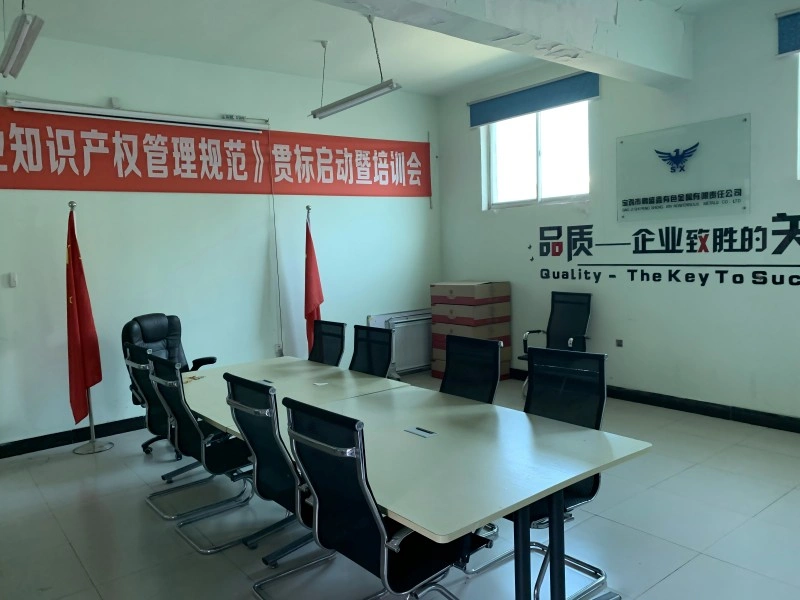
- Check enterprise‑level quality‑management certifications such as ISO9001, and understand internal NDT testing capability (in‑house UT & MT inspection equipment or third‑party authoritative testing cooperation).
- Confirm production‑process traceability: full record‑keeping from raw‑material ingot input to finished‑bar delivery.
- Evaluate dual‑order‑handling capacity: support small‑batch R&D sample trial‑orders as well as stable large‑volume serial‑production delivery.
- Assess technical‑support capability: whether material‑processing engineers can provide machining parameter consultation for your downstream CNC‑manufacturing workflow.
Cost Considerations for Your Project Budget
Procurement managers should evaluate total‑cost‑of‑ownership rather than merely comparing unit material price for ASTM F136 Grade 23 titanium bar:
- Prototype phase: Small‑batch sample orders carry relatively higher unit price; prioritize supplier document‑compliance and sample metallurgical‑quality over ultra‑low quotation.
- Mass‑production phase: Large‑volume orders can optimize unit‑cost, but never compromise NDT inspection and document completeness for lower prices.
- Hidden‑cost risk reminder: Cheap non‑compliant Grade23‑look‑alike bar will trigger high reject rates during CNC‑machining, regulatory‑audit failure risks and even medical‑device‑recall losses, which far exceed raw‑material savings.
- Extra‑cost items: Custom surface finishing, special‑size cutting, third‑party re‑inspection, export logistics and documentation for international shipments should be included into your total‑budget calculation.
Case Studies: Successful Projects Using Grade 23 Titanium
- Case 1: High‑end Dental‑Implant OEM Project
European dental‑implant manufacturer sourced φ4 mm centerless‑polished ASTM F136 Grade 23 Titanium Bar from PSX. Bar stock was directly used for high‑speed CNC‑machining of implant fixtures and abutments; batch‑to‑batch metallurgical consistency lowered production reject rate, and complete document sets supported their ISO13485 system audit. - Case 2: Orthopedic Trauma‑Implant OEM Prototyping & Mass‑Production
North‑American medical‑device OEM ordered multiple‑diameter Grade23 bar blanks for locking‑compression bone‑screw and intramedullary‑nail component manufacturing. PSX supplied forged bar with full UT‑MT inspection reports, covering both R&D trial batches and follow‑up large‑volume serial orders. - Case3: University Biomedical‑Research Institution Procurement
Biomechanics research institute purchased Grade23 test‑bar specimens for animal‑implant experiment projects, requiring strict composition‑reporting and heat‑lot traceability for academic‑experiment record‑keeping.
Industry Latest Technical Updates
Global medical‑titanium raw‑material markets are pushing forward digital traceability transformation for implant‑grade bar products. More North‑American and European medical‑device regulators and auditors require fully‑digitized, retrievable MTR, spectroscopic and non‑destructive‑testing archives instead of paper‑only certificates. Forging‑process optimization continuously reduces micro‑segregation risks for small‑diameter Grade23 titanium bar used in dental‑implant OEM production. Hybrid manufacturing solutions combining wrought Grade23 bar blanks plus additive‑manufacturing post‑processing gain wider adoption for personalized custom‑implant projects. Many qualified raw‑material manufacturers deploy automated inline surface‑defect‑detection systems to decrease human‑inspection error for high‑value medical‑grade titanium batches.
Key Procurement Concerns for European & American Buyers
Procurement managers of EU and US medical‑device OEMs focus on five core evaluation dimensions while sourcing ASTM F136 Grade 23 Titanium Bar. First is complete, audit‑ready document packages: original MTR, UT‑MT inspection records and spectroscopic analysis reports complying with ISO13485 traceability rules. Second is stable dimensional accuracy and surface‑quality consistency, especially critical for small‑diameter centerless‑ground dental‑implant bar stock. Third is verifiable supplier quality‑system certifications plus proven track‑record of implant‑grade‑material delivery. Fourth is consistent batch‑to‑batch metallurgical performance, avoiding unexpected production‑line rejects in high‑volume CNC‑machining workflows. Fifth is balanced supplier capacity for low‑volume R&D sample orders and predictable‑lead‑time large‑volume mass‑production, with multilingual technical‑sales support for cross‑border communication.
New R&D & Application Trends
Recent material‑processing R&D expands application boundaries for Ti‑6Al‑4V ELI Grade23 wrought bar stock. Medical‑OEM teams increasingly adopt forged Grade23 bar as subtractive‑machining blanks for patient‑matched custom implants, taking advantage of wrought material’s superior mechanical reliability compared to pure 3D‑printed titanium components. Universities and biomedical‑research labs keep raising procurement volumes of Grade23 test‑bar specimens for biomechanical animal‑experiment and biomaterial‑validation projects. Another emerging application field applies ASTM F136 Grade23 raw‑stock for high‑cycle‑vibration minimally‑invasive‑surgical‑instrument core shafts, leveraging its outstanding anti‑fatigue performance. Supply‑chain participants continuously optimize centerless‑grind and precision‑polish workflows to further reduce surface‑defect rates for downstream implant‑component mass‑manufacturing.
Industry Standard Popularization
Critical Quality & Safety Specifications for ASTM F136 Grade 23 Titanium Bar
- ASTM F136‑23: Core US standard defining chemical‑composition limits (interstitial‑element caps including oxygen ≤0.13%), mechanical‑property thresholds and test‑method requirements for wrought Ti‑6Al‑4V ELI implant‑grade titanium‑alloy bar. This standard must be strictly followed for permanent‑implant raw‑material purchasing.
- ISO 13485: Medical‑device‑supply‑chain quality‑management‑system requirement; raw‑material suppliers shall provide fully heat‑lot‑traceable document sets for regulatory audit purposes.
- Mandatory NDT Requirements: Ultrasonic Testing (UT) detects internal voids, shrinkage cavities and inclusions; Magnetic‑Particle Testing (MT) identifies surface‑breaking cracks for implant‑grade bar‑stock.
- Important Distinction: ASTM B348 governs general‑industrial titanium‑bar and cannot substitute ASTM F136‑23 for surgical‑implant raw‑material procurement.
Product Usage & Maintenance Knowledge
Storage, Handling & Batch‑Traceability Management for Grade23 Titanium Bar
- Storage: Keep implant‑grade bar‑stock inside dry indoor warehouse environments; avoid long‑term exposure to salt‑mist, moisture and corrosive vapors. Preserve original anti‑scratch protective packaging until just‑before machining operations.
- Handling: Prevent impact knocks and surface scratches; scratches on polished bar surfaces may become stress‑concentration initiation points in finished implant‑components.
- Scrap‑chip management: Collect Grade23 machining swarf separately by heat‑lot number; strictly avoid mixing medical‑grade chips with ordinary‑industrial‑grade titanium scrap. Clean Grade23 chips can go through professional recycling under strict impurity‑control protocols.
- Document retention: Bind MTR, UT‑MT inspection reports with corresponding physical heat‑lot numbers throughout your OEM production workflow for medical‑regulatory audit traceability.
Innovation in Manufacturing: PSX Factory & R&D Strength
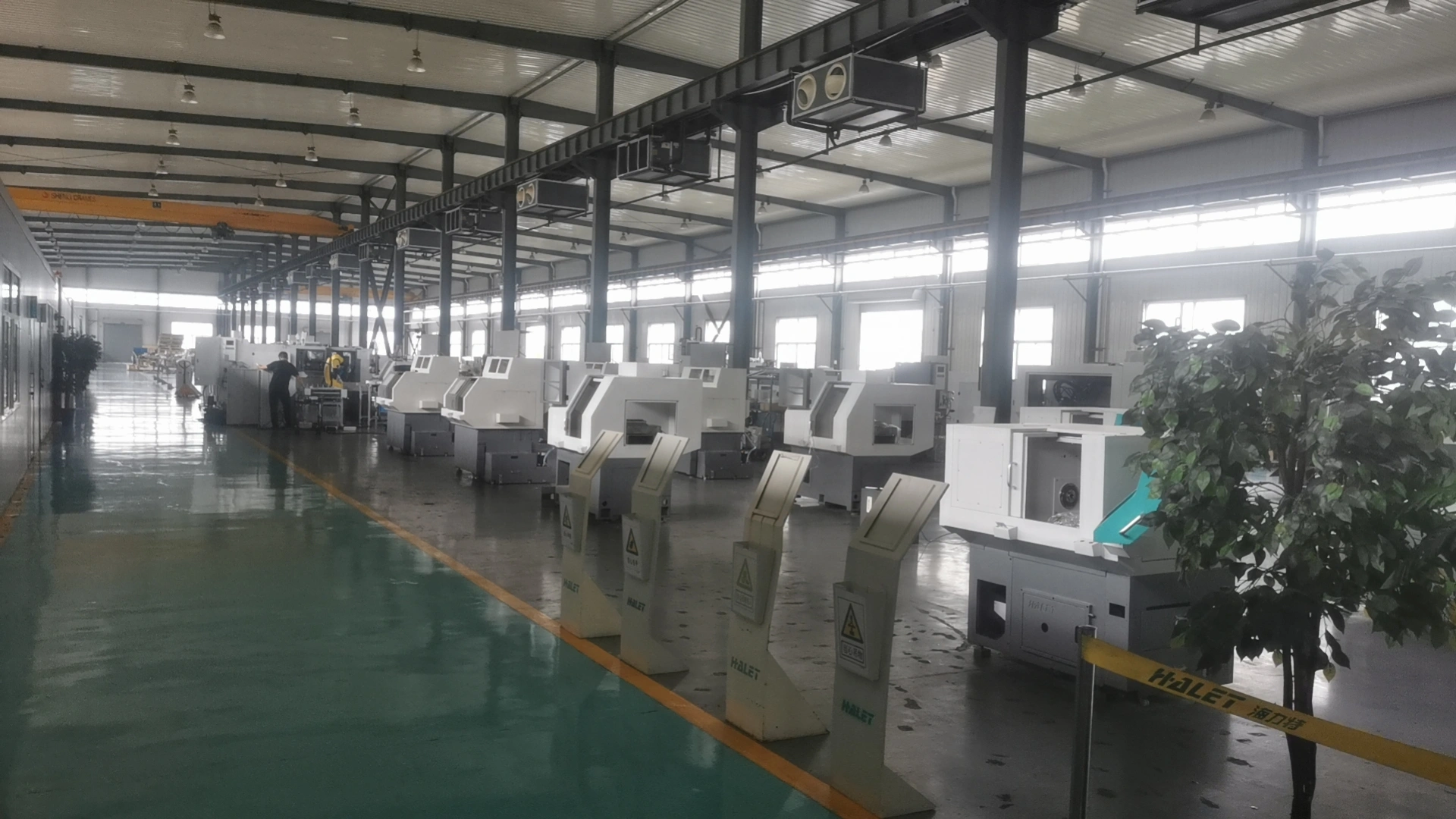
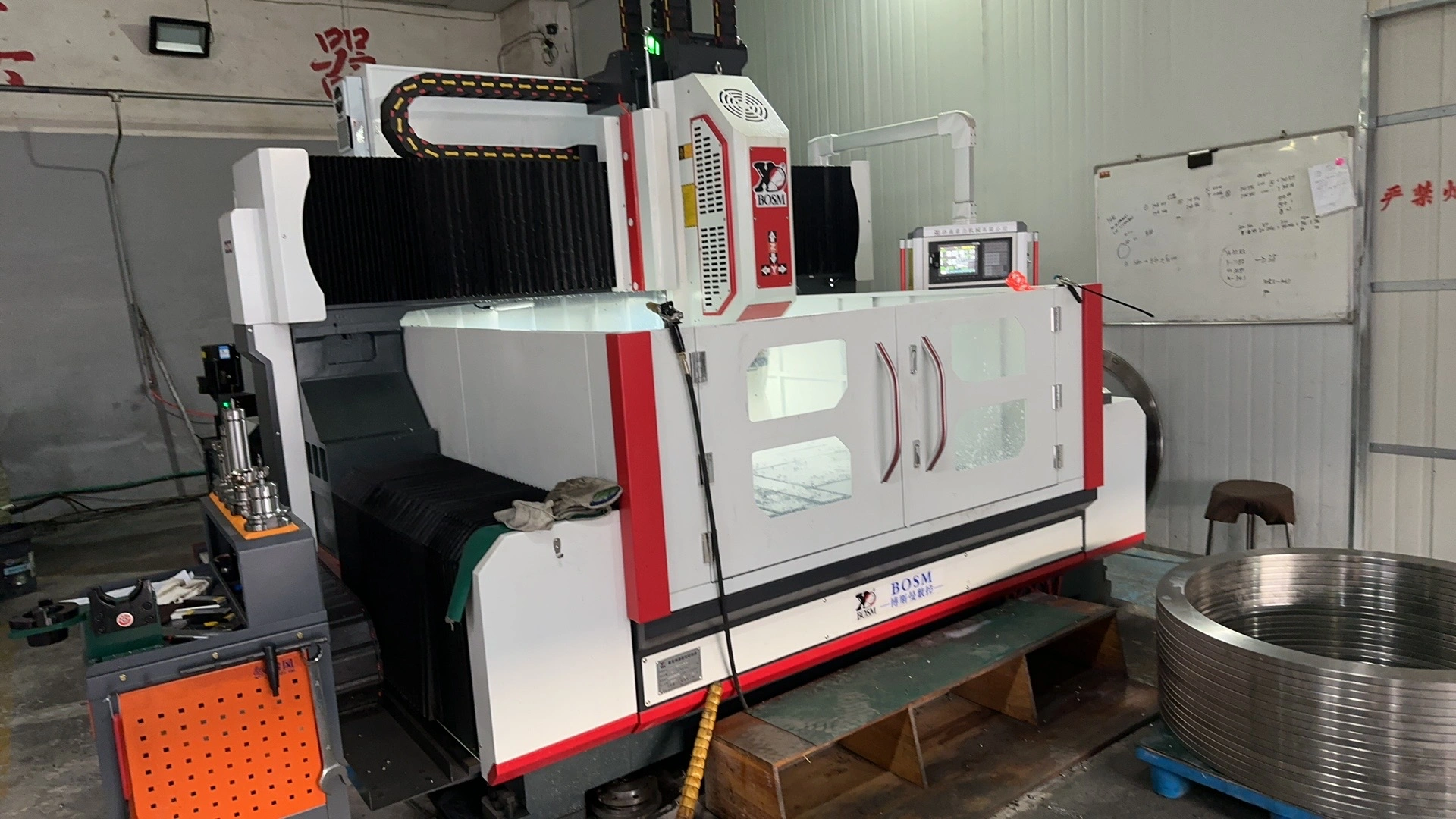
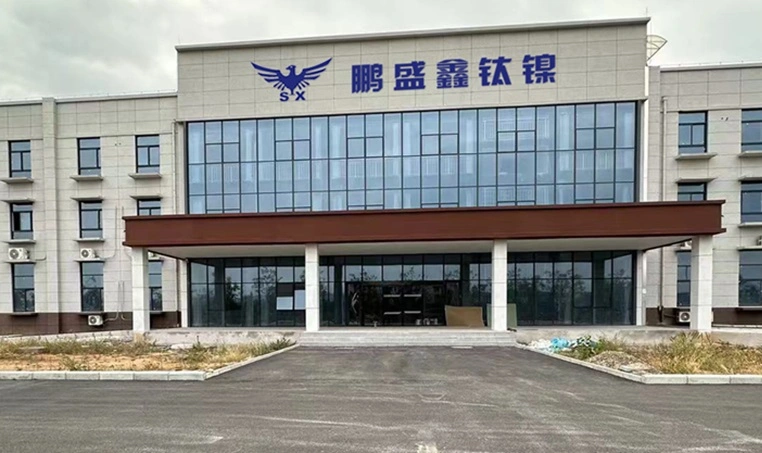
Baoji Pengshengxin Non‑Ferrous Metal Co., Ltd (PSX Brand), founded in 2008, is located in Baoji “China’s Titanium Valley”. Our factory occupies over 5 000 ㎡, equipped with modern‑purpose‑built workshops, imported CNC machining centers, vertical milling machines and dedicated non‑destructive‑inspection testing equipment. Our in‑house R&D team consists of more than 10 professional material‑science engineers and experienced senior technicians, multiple team members hold PhD‑level technical backgrounds. We hold ISO 9001 and GJB9001C‑2017 quality‑system certifications. Our production capacity supports both small‑batch medical‑R&D prototype orders and large‑volume serial‑production for Titanium Bar, Titanium Forging, Titanium CNC Machining and other Titanium Alloy‑based products. We provide diversified custom‑processing services for ASTM F136 Grade23 titanium bar, including multiple surface finishes, custom‑cut lengths, chamfering, peeling and centerless‑grinding services.
FAQ — Frequently Asked Questions for B‑End Procurement Managers
Q1: Can I replace ASTM F136 Grade 23 with cheaper Grade5 Ti‑6Al‑4V titanium bar for permanent implant projects?
A1: No. Grade5 has higher interstitial‑element content and lower fracture‑toughness; substitution violates ASTM F136‑23 specification and creates patient‑safety hazards for permanent load‑bearing implants.
Q2: What documents will PSX deliver with each ASTM F136 Grade 23 Titanium Bar shipment?
A2: Every batch is accompanied by original manufacturer MTR material‑test‑certificate, UT‑MT non‑destructive‑testing report and spectroscopic‑analysis report, meeting ISO13485 traceability‑audit requirements for medical‑device supply chains.
Q3: What custom specifications can PSX support for Grade23 titanium bar?
A3: Multiple surface finishes, custom cutting‑length, chamfering, peeling and centerless‑grinding. We accept small‑batch R&D sample orders as well as large‑volume OEM mass‑production orders.
Q4: When should I select Grade23 versus pure Grade2 CP‑Titanium bar?
A4: Choose ASTM F136 Grade 23 Titanium Bar for load‑bearing, cyclic‑stress‑enduring permanent implant hardware. Select Grade2 commercially‑pure titanium mainly for non‑load‑bearing thin‑wall implant shells due to its relatively lower mechanical strength.
Q5: What risks should I watch out for when sourcing low‑priced Grade23‑labelled titanium bar?
A5: Beware of material‑grade counterfeiting, incomplete NDT inspection, missing traceability documents, unstable oxygen‑content exceeding 0.13% threshold. Such material will trigger high CNC‑machining reject‑rates and regulatory‑audit‑failure risks. Contact PSX multilingual‑sales‑team for quotation and material‑sample‑evaluation support.
Conclusion: Making an Informed Decision
Choosing the correct ASTM F136 Grade 23 Titanium Bar for your project is far more than simply ordering a titanium‑alloy round bar. It requires comprehensive evaluation covering specification matching, material‑property‑project‑fit, dimension‑surface‑finish selection, supplier qualification audit, documentation completeness and total‑cost‑of‑ownership analysis. Even optimized downstream manufacturing workflows cannot offset risks originating from unqualified incoming raw‑material. As your trusted China‑based titanium‑solution partner, PSX Baoji Pengshengxin Non‑Ferrous Metal Co., Ltd provides fully‑compliant implant‑grade Grade23 bar‑stock alongside our complete Titanium Alloy‑product portfolio. Whether you are medical‑OEM factory, implant‑device manufacturer, distributor or agent across Europe, North‑America and global markets, welcome to reach out to our multilingual‑sales‑team for sample‑testing, custom‑spec‑evaluation and formal‑project‑quotation support.
References
[1] Wikipedia contributors. “Ti‑6Al‑4V ELI titanium alloy for biomedical implant applications”. Wikipedia, 2024‑04‑02. Open‑access material‑science reference resource.
[2] Carter M. “Buyer pitfalls for ASTM F136 Grade23 medical titanium bar procurement”, Reddit r/Materials engineering forum, 2024‑06‑18.
[3] Hale J. “How to evaluate suppliers for wrought Ti‑6Al‑4V ELI implant‑grade raw‑stock”, Quora Materials‑Engineering Topic, 2024‑07‑09.
[4] ASTM International. ASTM F136‑23: Standard Specification for Wrought Ti‑6Al‑4V ELI Titanium Alloy for Surgical Implant Applications. West Conshohocken, PA: ASTM International, 2023.
[5] Festas A.J., Ramos A., Davim J.P. Raw‑material selection criteria for orthopaedic implant blanks of Ti‑6Al‑4V ELI, Journal of the Brazilian Society of Mechanical Sciences and Engineering, 2024.