


Send Message
Privacy statement: Your privacy is very important to Us. Our company promises not to disclose your personal information to any external company with out your explicit permission.



For procurement managers and piping engineers supporting oil, chemical, offshore desalination, lithium brine and fine chemical facilities, the Titanium Eccentric Weld Neck Flange delivers excellent corrosion resistance and leak-free sealing, but reliable long service life depends on structured maintenance routines. As PSX, Baoji Pengshengxin Non-Ferrous Metal Co., Ltd., we manufacture this specialty fitting alongside our core portfolio: Titanium Flange, Titanium CNC Machining components, Titanium Material, Titanium Tube, Titanium Rod and custom Titanium Forging parts in multiple Titanium Alloy grades. This step-by-step maintenance guide helps your plant team avoid cavitation, crevice corrosion, gasket failure and unplanned downtime on critical self-draining process lines.
A Titanium Eccentric Weld Neck Flange is an integrally forged titanium component finished by precision CNC machining. It merges an eccentric reducer profile with a weld neck butt-weld flange, eliminating liquid pooling, gas lock and sludge buildup that plague standard concentric flange assemblies. Gr1, Gr2, Gr7, Gr12 and Gr5 titanium grades create a stable passivation film to withstand chloride brine, seawater, moist chlorine and acidic fluids. Unlike ordinary slip-on flanges, its tapered neck redistributes pipeline stress under high pressure and thermal cycling. At our 5,000+ ㎡ facility in Baoji Titanium Valley, our engineering team with PhD material specialists produces these flanges, backed by ISO9001 and GJB9001C-2017 certifications. We also supply matched piping packages with Titanium Tube, Titanium Rod and custom Titanium Forging parts for OEM skids, EPC offshore projects and environmental wastewater treatment systems.
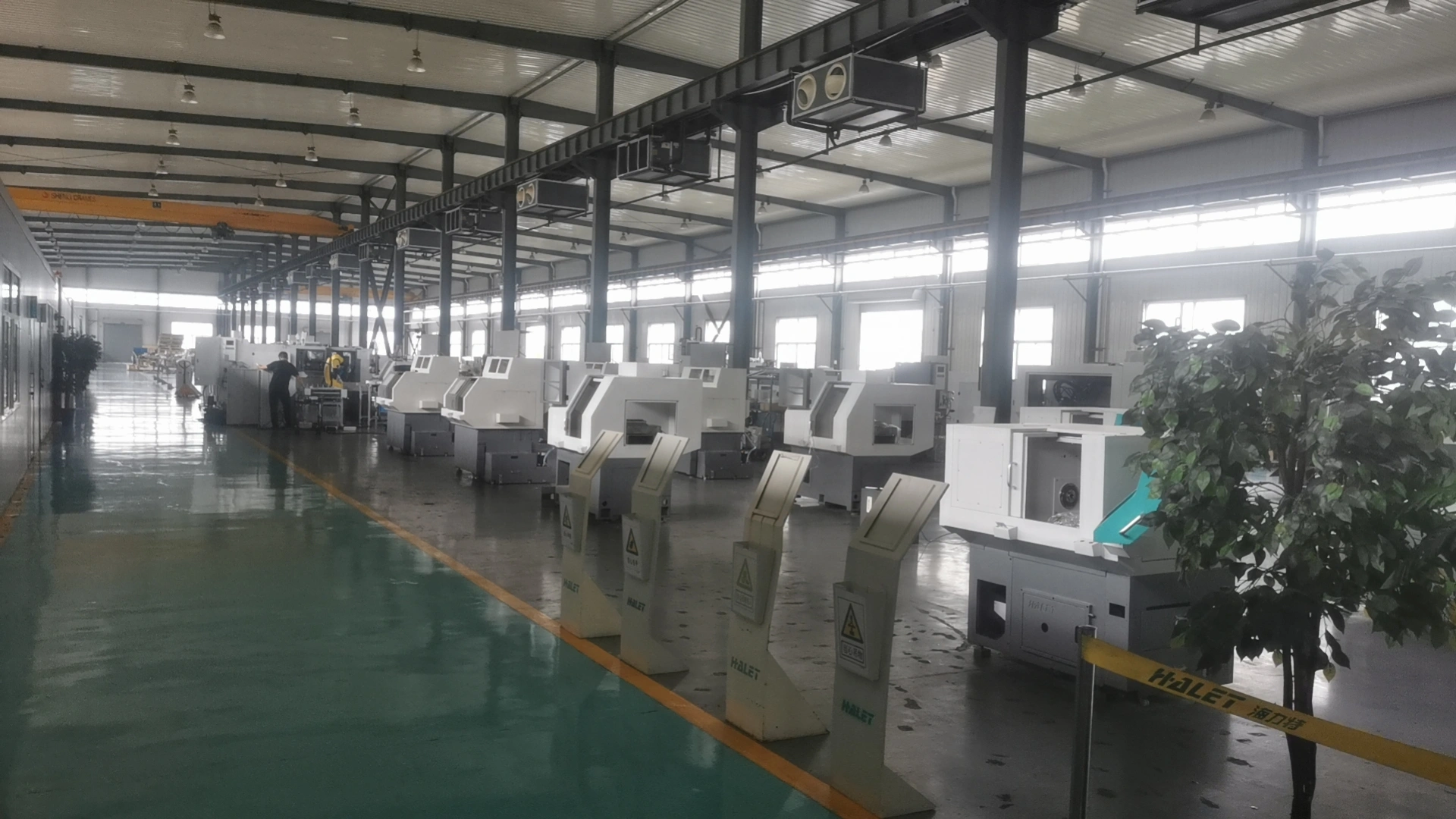
Even premium Titanium Eccentric Weld Neck Flange units degrade gradually in corrosive service. Regular maintenance protects the titanium passive oxide layer, preserves the precision-machined RF, MFM or RTJ sealing faces, and maintains the critical self-draining eccentric orientation. Neglected flanges develop sediment under gaskets, crevice corrosion, bolt relaxation and hidden surface scratches that cause leakage during production runs. For chlor-alkali, lithium extraction and offshore gathering pipelines, leaks lead to hazardous media release, permit violations and costly shutdowns. Consistent inspection and care maximize ROI by extending service life far beyond carbon steel or stainless steel alternatives, and protect your investment in high-value Titanium Flange and titanium piping assemblies.
Important: Never use steel wire brushes, grinding discs or carbon steel tools directly on titanium surfaces, as iron contamination breaks down the protective passivation layer and creates galvanic corrosion sites.
Before beginning any work on a Titanium Eccentric Weld Neck Flange, follow lockout-tagout (LOTO) procedures, depressurize and drain the line completely, and confirm residual hazardous media has been purged. Isolate upstream and downstream valves and test for toxic vapors, chlorine or brine residues. Confirm the eccentric flange orientation before disassembly; misalignment after reassembly defeats its anti-airlock, self-draining function. Your maintenance crew should wear chemical-resistant PPE, and separate all titanium hardware from carbon steel tools and scrap during the entire service process. This aligns with ASME B31.3 process piping safety rules, which PSX follows when producing our Titanium CNC Machining fittings for export clients.
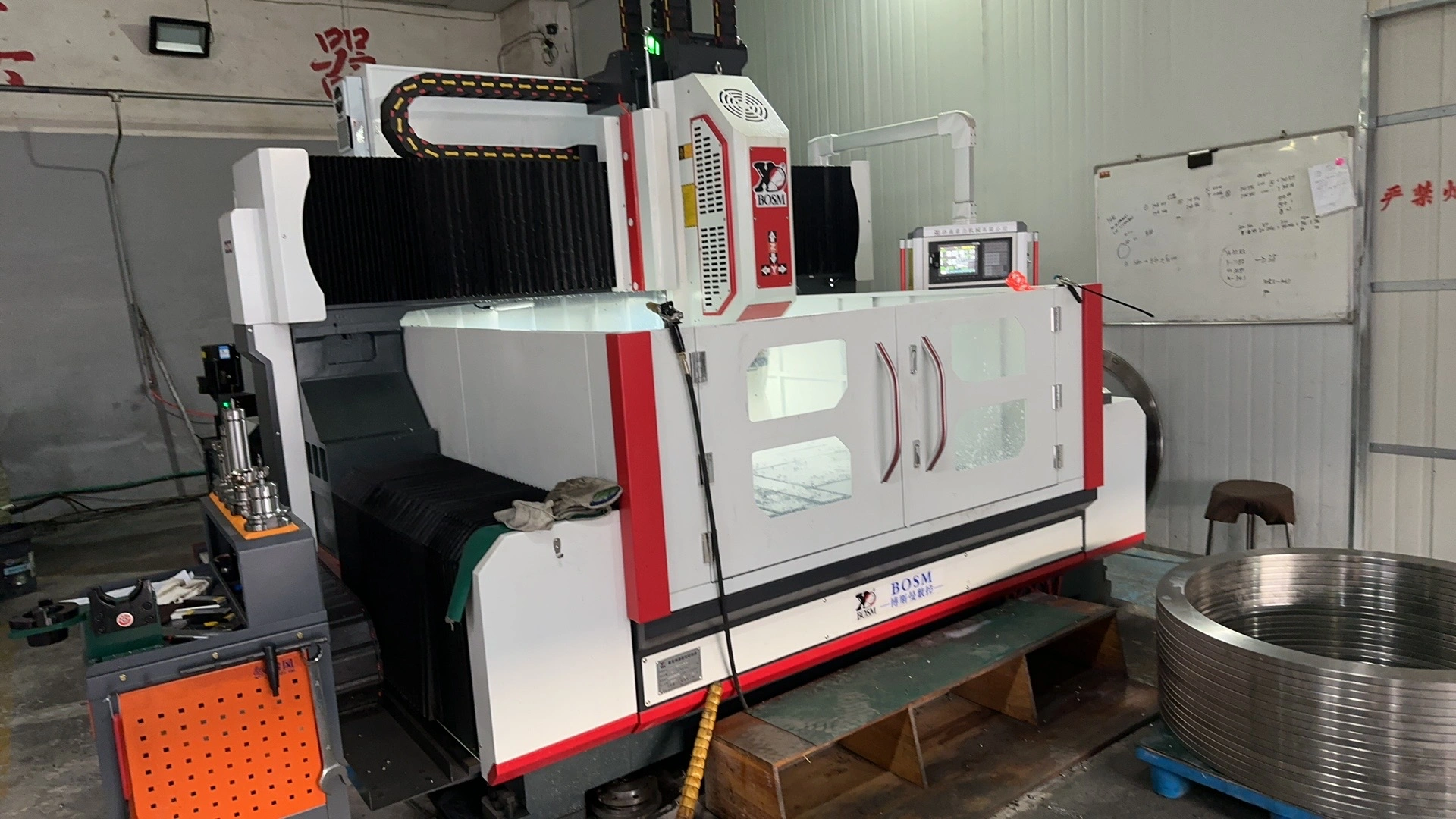
Start with full visual inspection of the Titanium Eccentric Weld Neck Flange. Check the butt weld root, tapered neck transition zone and sealing face for scratches, pitting, crevice corrosion marks and sediment deposits. Pay extra attention to the low side of the eccentric bore, where sludge and brine residue tend to collect. Document any discoloration, groove damage or micro-notches on RTJ ring-joint faces. Use a roughness comparator to verify sealing surface finish stays within original specifications. If you discover deep scratches or crevice pitting, the flange may require re-machining at a titanium specialty shop or replacement with a new Titanium Flange assembly.
Clean all titanium surfaces gently. Remove sediment, salt deposits and gasket residue with soft brushes and approved non-chlorinated cleaners. Rinse thoroughly with deionized water and dry completely to avoid trapped brine. Never scrub the sealing face aggressively. After cleaning, inspect again for residual contaminants. Once clean, cover machined faces with plastic protective caps. This preserves the natural passivation film that makes Titanium Alloy fittings perform reliably in seawater and chloride-rich lines.
Thermal cycling and pressure fluctuations gradually relax flange bolts. Check torque values against your P&ID and ASME B16.5 specifications, using a star-pattern tightening sequence to distribute load evenly. Verify that the eccentric flange is installed with the flat drain edge at the bottom; upside-down installation creates liquid traps and cavitation. Check flange parallelism and gap uniformity. Misaligned flanges concentrate stress on one side of the sealing face and accelerate gasket failure.
Replace gaskets during every full disassembly. Reuse of old gaskets is one of the most common causes of flange leakage. Replace any bent, corroded or stretched titanium fasteners. If the flange face is gouged or pitted beyond repair, source a matching replacement Titanium Eccentric Weld Neck Flange with the same grade, eccentricity and pressure rating. PSX can supply matching components from identical Titanium Material batches for consistent material compatibility across your piping circuit.
Global chemical and offshore operators are shifting toward predictive maintenance workflows for titanium piping fittings rather than fixed calendar-based inspections. Plant teams integrate ultrasonic thickness checks and digital visual inspection logs to track crevice corrosion risk at eccentric flange low points. Many EPC contractors now specify factory-applied protective passivation coatings and permanent orientation markings on Titanium Eccentric Weld Neck Flange units to prevent field installation errors. Buyers increasingly prefer suppliers who supply maintenance guidance alongside MTR documentation, not just bare hardware. CFD simulation data is now included in OEM operation manuals to show sediment accumulation hotspots, helping maintenance crews focus inspection effort on the highest-risk zones. Demand is rising for full titanium component kits: matched Titanium Tube, flanges and fasteners, to eliminate dissimilar metal pairing errors in maintenance.
Western procurement teams sourcing Titanium Eccentric Weld Neck Flange prioritize five practical maintenance-related factors. First, they require clear installation orientation marks, because incorrect upside-down fitting negates the core eccentric design purpose. Second, buyers need standardized maintenance documentation, torque charts and gasket compatibility guidance, as many local maintenance teams have limited experience working with Titanium Alloy. Third, traceability is mandatory: each replacement flange and spare bolt must carry full PMI and material certification. Fourth, customers value suppliers that can deliver small emergency spare batches quickly, not only large production runs. Fifth, they look for technical support when crevice corrosion or sealing-face damage occurs, rather than suppliers who only sell product. PSX’s engineering and multilingual sales team supports all these requirements for our Titanium Flange product line.
Current R&D in titanium forged piping focuses on improving maintainability of eccentric weld neck flanges for sediment-heavy brine and produced-water lines. Our PSX R&D team, supported by PhD material engineers, is refining post-machining passivation treatments that improve resistance to surface contamination during maintenance disassembly. New surface texturing processes for RTJ grooves reduce gasket adhesion, making future disassembly easier without scratching the sealing surface. R&D work also includes modular prefabricated titanium spools where the Titanium Eccentric Weld Neck Flange is integrated with short Titanium Tube sections; these modular assemblies cut field maintenance and welding time for offshore skids. Application expansion is strongest in compact lithium extraction brine modules and mobile desalination packages, where maintenance access space is extremely limited and downtime carries very high cost.
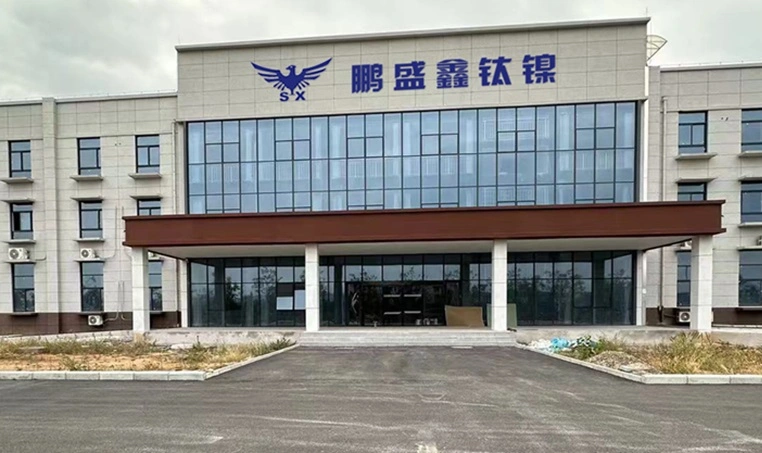
Maintenance, inspection and replacement should align with these widely adopted global standards:
All PSX shipments include material test reports, dimensional inspection sheets and guidance for proper handling and cleaning of titanium fittings.
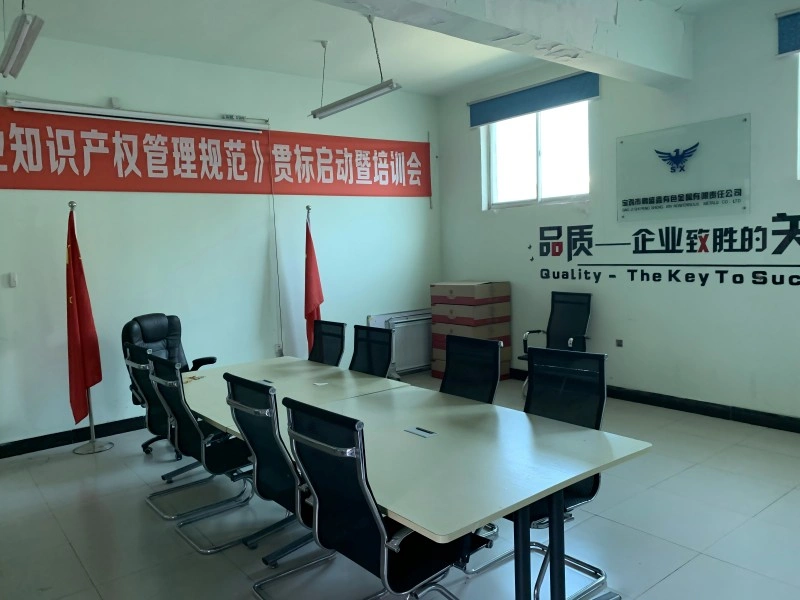
Your Titanium Eccentric Weld Neck Flange is a high-value engineered fitting designed to solve air lock, sediment buildup and corrosion in demanding liquid pipelines. Following this structured maintenance workflow protects its sealing geometry, titanium passivation layer and eccentric drain function. When maintained correctly, these flanges deliver years of low-leak service in seawater desalination, oil & gas brine gathering, chlor-alkali, hydrometallurgy and salt lake lithium extraction lines. As your trusted titanium manufacturer PSX, Baoji Pengshengxin Non-Ferrous Metal Co., Ltd., we provide Titanium Forging, Titanium Flange, Titanium CNC Machining parts, Titanium Tube and Titanium Rod from certified Titanium Material with complete OEM customization and export-ready documentation. Reach out to our engineering team for maintenance datasheets, torque recommendations and spare flange quotations for your facility.
Hale, T. (2025). Field Maintenance Best Practices for Titanium Process Flanges, Reddit r/ChemicalEngineering Technical Thread.
Carter, J. (2024). Avoiding Galvanic Corrosion When Servicing Titanium Piping, Quora Process Engineering Community.
ASME. (2023). ASME B31.3 Process Piping Code for Inspection and Repair, ASME International.
Wikipedia Contributors. (2025). Titanium Passivation and Surface Contamination Risks, Wikipedia.
Outline:
Summary: This SEO blog targets overseas procurement managers, plant maintenance supervisors, piping engineers and OEM skid builders, delivering a practical step-by-step maintenance guide for the Titanium Eccentric Weld Neck Flange. It covers safety prep, inspection, cleaning, torque verification, component replacement, reassembly and leak testing, while highlighting costly maintenance errors. Additional sections cover industry trends, western buyer priorities, new R&D for maintainable titanium fittings and key ASME/ASTM standards. The article positions PSX as a certified Baoji manufacturer supplying Titanium Forging, Titanium Flange and Titanium CNC Machining parts, with supporting technical documentation and spare part supply for corrosive process piping systems.

September 15, 2025

November 18, 2026
Email to this supplier
September 15, 2025
November 18, 2026
Privacy statement: Your privacy is very important to Us. Our company promises not to disclose your personal information to any external company with out your explicit permission.
Fill in more information so that we can get in touch with you faster
Privacy statement: Your privacy is very important to Us. Our company promises not to disclose your personal information to any external company with out your explicit permission.