


Send Message
Privacy statement: Your privacy is very important to Us. Our company promises not to disclose your personal information to any external company with out your explicit permission.



For procurement managers serving oil, chemical, offshore, pharmaceutical and new-energy lithium projects, choosing the right flange directly impacts pipeline uptime, safety and total lifecycle cost. The Titanium Eccentric Weld Neck Flange stands apart from ordinary concentric flanges and slip-on flanges by merging an eccentric reducer and butt-weld neck flange into one integrally forged unit. At PSX, we manufacture this component alongside our core lineup of Titanium Flange, Titanium CNC Machining parts, Titanium Material, Titanium Tube, Titanium Rod and custom Titanium Forging products for global OEMs, distributors and end manufacturers. This article breaks down its five core advantages, plus practical buying and operation guidance for your corrosive piping systems.
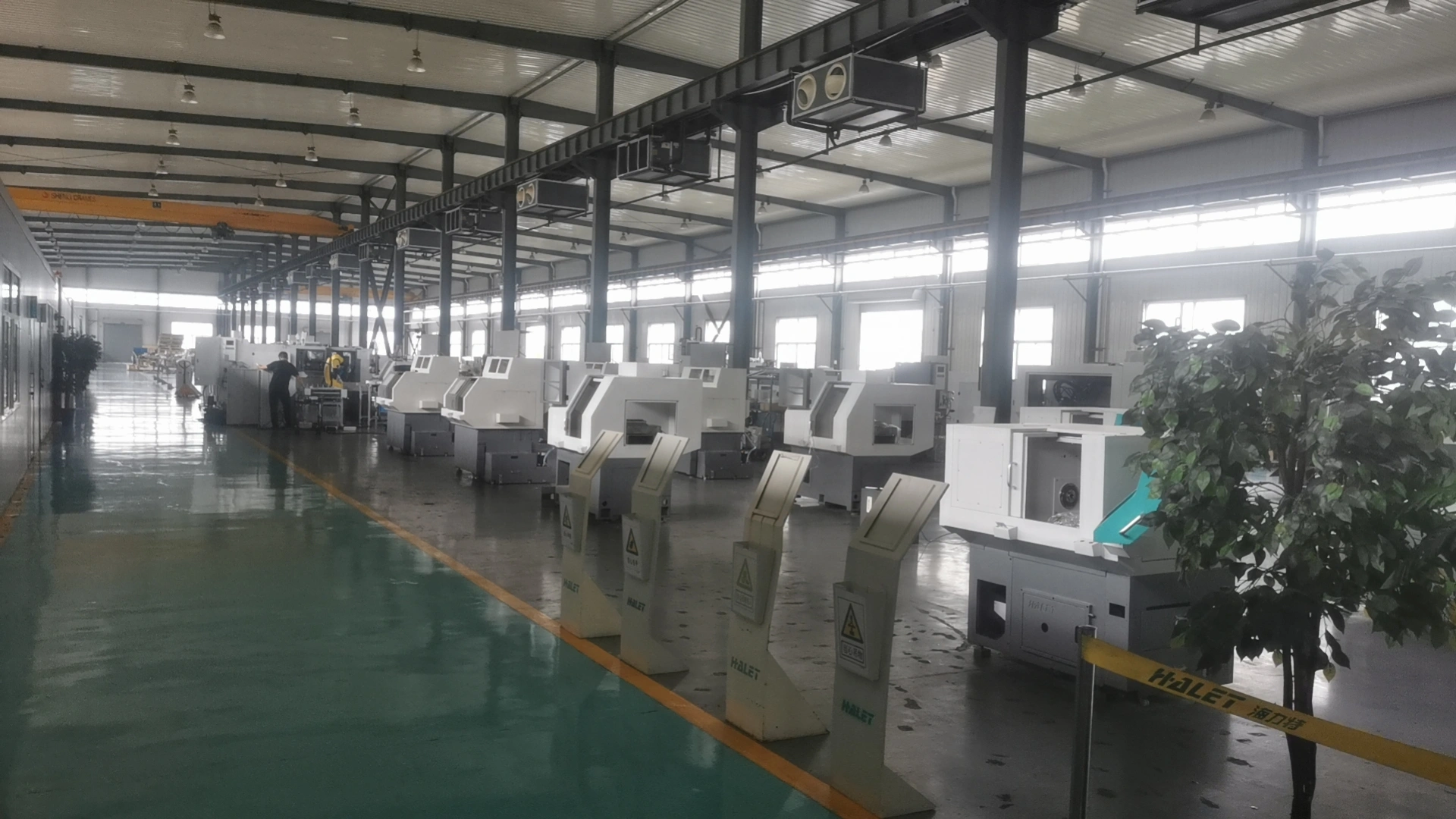
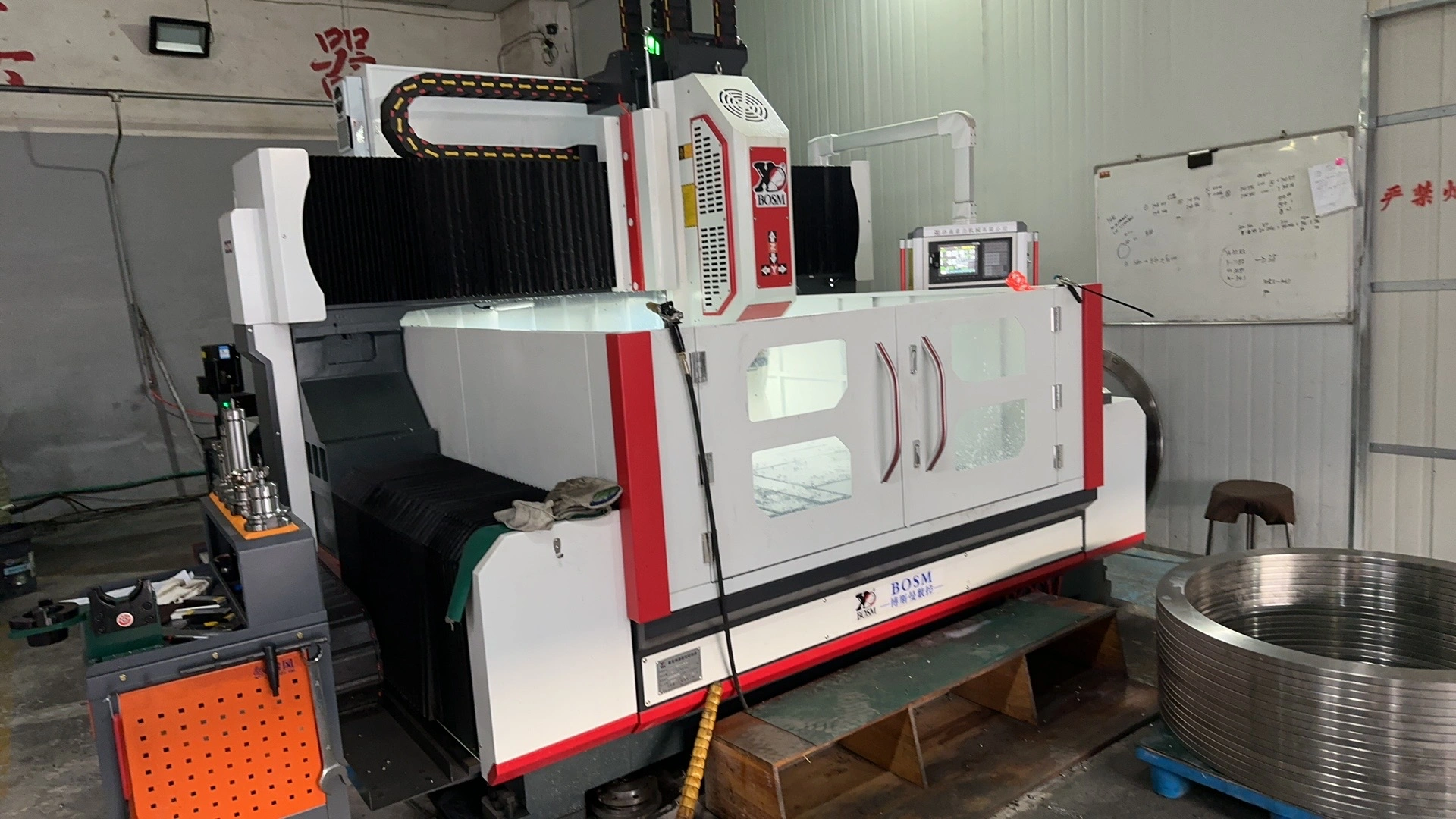
A Titanium Eccentric Weld Neck Flange is produced by integral titanium forging and precision CNC machining. It combines the stress-dispersing tapered neck of a weld neck flange with an eccentric bore profile. The flush bottom eliminates liquid dead zones, preventing sludge accumulation, air locking and cavitation that frequently plague standard concentric flange plus reducer assemblies. Available in multiple Titanium Alloy grades including Gr1, Gr2, Gr5, Gr7 and Gr12, it forms a stable passive oxide film to withstand chloride ions, brine, seawater, moist chlorine and various acid-alkali fluids. It is widely deployed in seawater desalination, offshore platforms, chlor-alkali lines, oil & gas gathering pipelines, fine chemical and lithium salt lake brine transportation. PSX’s 5,000+ ㎡ modern workshop in Baoji Titanium Valley is equipped with imported vertical milling centers, advanced CNC lathes and wire-cutting equipment. Our team includes more than 10 material engineers and multiple PhD technical specialists, capable of delivering tight-tolerance custom eccentric flanges to ASME, DIN, GB and JIS standards, with full OEM non-standard support.
This is the most recognized benefit for buyers handling corrosive process media. Titanium naturally builds a self-healing passivation layer that resists chloride attack, saltwater erosion, weak organic acids and wet chlorine environments. Different grades of Titanium Alloy target different failure modes: Gr1 and Gr2 pure titanium suit seawater and brine circuits; Gr7 palladium-titanium fights crevice corrosion; Gr12 performs reliably in reducing acid media; high-strength Gr5 works for high-load offshore piping. Unlike stainless steel flanges that suffer pitting and perforation in chloride-rich service, our Titanium Flange drastically cuts scheduled replacement frequency and unplanned shutdown risk. It is especially valuable for desulfurization wastewater, hydrometallurgy acid washing and lithium brine conveyance where corrosion failures create huge production losses.
As a Titanium Forging component, the titanium eccentric weld neck flange avoids the weakness of welded fabrications. Its long tapered conical neck smoothly transfers welding and pipeline stress, lowering stress concentration at the joint. This design handles high pressure, thermal cycling and thermal shock far better than plate flanges or slip-on flanges. There are no assembly seams between reducer and flange body, removing a common leakage point in conventional two-piece setups. PSX controls every forging cycle, heat treatment and NDT inspection in-house. Our Titanium CNC Machining process guarantees precise butt weld grooves and sealing faces including RF, MFM and RTJ styles, supporting zero-leak performance under continuous alternating loads for years.
Titanium’s low density makes this flange roughly 40% lighter than equivalent stainless steel flanges, while maintaining outstanding specific strength. Weight reduction delivers cascading value for skid-mounted OEM equipment, offshore subsea piping and marine vessel systems: less structural support steel, easier lifting and installation, and lower overall project dead load. Beyond weight savings, pure titanium is chemically inert without heavy metal leaching. That property makes the Titanium Eccentric Weld Neck Flange suitable for high-purity fine chemical, pharmaceutical and food-grade clean piping. PSX supplies matched Titanium Tube and Titanium Bar from the same certified Titanium Material batches, ensuring uniform material compatibility across your whole piping package.
For process piping engineers, stable performance across fluctuating temperature and pressure is non-negotiable. Properly forged and heat-treated titanium eccentric weld neck flanges maintain mechanical integrity under high pressure and cyclic thermal conditions. The integrated eccentric profile does not compromise pressure boundary safety, while removing liquid traps that cause cavitation damage inside pressurized lines. When paired with correctly specified gaskets and titanium fasteners, these flanges pass hydrostatic and pneumatic leak tests for ASME B31.3 process piping. This makes them ideal for continuous-duty oil and sulfur brine gathering lines, heat exchanger interconnections and zero-liquid-discharge waste liquid treatment systems.
Many procurement managers initially compare only upfront unit price. However, total cost of ownership tells the full story. A premium Titanium Eccentric Weld Neck Flange reduces maintenance labor, replacement parts, environmental cleanup costs and lost production time caused by corrosion leaks. Its unified forging design also cuts installation work: one part instead of separate concentric flange plus eccentric reducer, fewer weld joints and fewer inspection points. PSX supports full customization: non-standard eccentricity, special wall thickness, custom pressure classes and unique face finishes for skid OEMs. Our one-stop supply model delivers consistent batches with complete MTR, heat treatment and PMI documentation, simplifying quality control for large global projects.
Global corrosive piping markets are shifting toward integrated forged fittings like titanium eccentric weld neck flanges to reduce joint count and field welding risk, especially for modular skids for lithium extraction and mobile desalination packages. End-users increasingly demand factory pre-marked orientation indicators on eccentric flanges to eliminate field alignment mistakes. Material traceability is becoming mandatory: buyers require full chain-of-custody records from raw Titanium Material ingot through forging, Titanium CNC Machining and final shipment. CFD flow simulation is now widely used to refine eccentric transition geometry, minimizing turbulence and sediment deposition. Automated orbital TIG welding for mating Titanium Tube and flange joints is being adopted by EPC contractors to cut weld rejection rates. The market also sees rising preference for suppliers with both in-house forging capacity and cross-grade R&D capability, rather than simple trading companies.
Procurement managers from the US, EU and Oceania focus on five core factors when sourcing Titanium Eccentric Weld Neck Flange and related Titanium Flange products. First, reliable material traceability and acceptable PMI verification are mandatory for pressure boundary components. Second, they require clear technical documentation including WPS guidance, orientation instructions and gasket compatibility recommendations, because many local contractors have limited titanium welding experience. Third, consistency of sealing face finish (RF / MFM / RTJ) is critical to avoid gasket leakage after installation. Fourth, they evaluate whether the manufacturer can handle non-standard eccentric dimensions and small prototype batches alongside bulk orders for OEM skids. Fifth, responsive after-sales engineering support matters more than rock-bottom pricing, since flange failures can halt an entire chemical or desalination plant for weeks. Buyers prioritize manufacturers with stable forging, CNC machining and export experience such as PSX.
Current R&D for titanium forged piping fittings centers on lowering residual forging stress while optimizing flow geometry for sediment-laden and two-phase fluids. Advanced hot forging parameter tuning reduces post-machining distortion, which improves sealing face flatness and lowers the risk of gasket uneven loading under thermal cycling. Our R&D team at PSX, staffed by PhD material scientists and senior process engineers, uses FEA and CFD simulation to refine eccentric bore transitions, balancing anti-sediment performance with pressure-drop control. New surface finishing techniques for RTJ ring grooves reduce micro-notches that trigger crevice corrosion under stagnant brine. Application expansion is fastest in salt lake lithium extraction brine lines, compact offshore produced-water treatment skids, and high-purity pharmaceutical solvent piping. Our team also develops matched component packages: custom Titanium Forging flanges, elbows, fasteners and Titanium Rod for fully unified titanium piping systems, helping OEMs simplify vendor management.
Buyers and installers should reference these key standards to qualify suppliers and inspect finished flanges:
Every PSX export shipment includes material test reports, heat treatment certificates, dimensional inspection sheets and NDT records. Third-party witness inspection can be arranged for offshore and chlor-alkali high-risk projects.
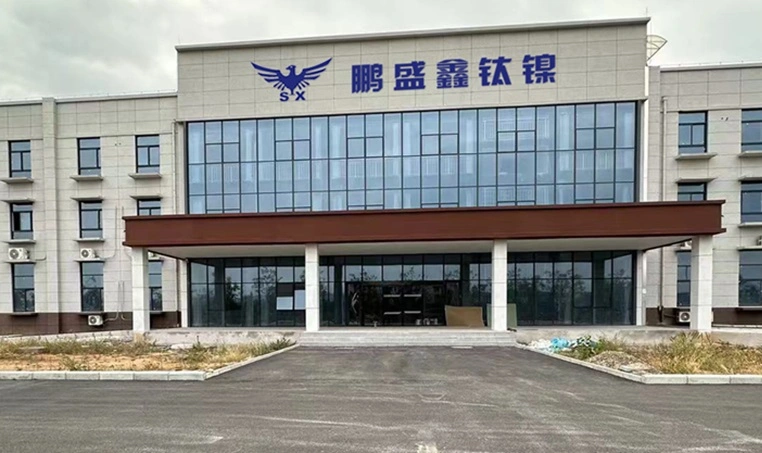
The five core benefits — superior corrosion resistance, forged structural strength, lightweight high-specific-strength design, reliable high-temperature and high-pressure performance, and favorable long-term economics — make the Titanium Eccentric Weld Neck Flange a high-value upgrade over conventional flange and reducer combinations. It solves the chronic pain points of air locking, sludge accumulation, cavitation and chloride corrosion in corrosive liquid pipelines. As the trusted titanium manufacturer PSX, Baoji Pengshengxin Non-Ferrous Metal Co., Ltd., we deliver Titanium Forging, Titanium Flange, Titanium CNC Machining components, Titanium Tube and Titanium Bar from certified Titanium Material grades, with full OEM customization and export-ready documentation. Contact our engineering team for grade selection, drawing review and formal quotation for your next desalination, chemical, offshore or lithium brine project.
Reed, S. (2025). Integrated Eccentric WN Flanges vs Separate Reducer-Flange Assemblies, Reddit r/ChemicalEngineering Technical Thread.
Moss, R. (2024). Titanium Grade Selection for Chloride Brine Piping, Quora Process Engineering Community.
ASME. (2023). ASME B16.5 Pipe Flanges and Flanged Fittings Standard, ASME International.
Wikipedia Contributors. (2025). Titanium: Corrosion Resistance and Passivation Mechanism, Wikipedia.
Outline:
Summary: This SEO blog targets international procurement managers, chemical and piping engineers, EPC contractors and OEM manufacturers, explaining the top five core benefits of Titanium Eccentric Weld Neck Flange. It covers corrosion resistance, forged structural reliability, lightweight advantage, high pressure/temperature suitability and favorable total lifecycle cost. Additional sections share industry trends, overseas buyer priorities, R&D progress, maintenance practices and key piping standards. The article positions PSX as a certified Baoji-based manufacturer of Titanium Forging, Titanium Flange and Titanium CNC Machining products with full material traceability and custom OEM capability for seawater, chlor-alkali, oil & gas and salt lake lithium projects.

September 15, 2025

November 18, 2026
Email to this supplier
September 15, 2025
November 18, 2026
Privacy statement: Your privacy is very important to Us. Our company promises not to disclose your personal information to any external company with out your explicit permission.
Fill in more information so that we can get in touch with you faster
Privacy statement: Your privacy is very important to Us. Our company promises not to disclose your personal information to any external company with out your explicit permission.