


Send Message
Privacy statement: Your privacy is very important to Us. Our company promises not to disclose your personal information to any external company with out your explicit permission.


When sourcing high-performance structural materials for aerospace, petrochemical, marine, and defense manufacturing, industrial procurement managers often struggle to choose between AMS 4985 Titanium Rod, TC4 Titanium Alloy, alloy steel, and aluminum alloy. Each material carries unique trade-offs in temperature resistance, specific strength, corrosion resistance, machinability, and long-term cost efficiency. This in-depth comparison blog systematically analyzes the core advantages and limitations of AMS 4985 titanium rods versus mainstream alternative materials, combining the latest industry technical trends, overseas procurement standards, and practical application experience to help global manufacturers, OEMs, distributors, and agents select the most cost-effective and reliable material for extreme working conditions.
AMS 4985 titanium rod is a premium α-β heat-resistant titanium alloy exclusively engineered for high-temperature extreme industrial and aerospace applications. It features a precise chemical composition of 6.5% aluminum, 3.5% molybdenum, 1.5% zirconium, and 0.3% silicon, forming a stable alloy structure that delivers outstanding thermal stability and mechanical durability under continuous high-load operation. As a standardized aerospace-grade titanium rod product compliant with strict SAE AMS 4985 specifications, it stands out from ordinary industrial titanium materials for extreme environment adaptability.
Produced via professional vacuum arc remelting and β-phase precision forging processes at PSX’s modern factory, AMS 4985 titanium rods integrate four irreplaceable core strengths: ultra-high specific strength, superior high-temperature toughness, excellent fatigue resistance, and full-condition corrosion resistance. It serves as a critical upgrade substitute for traditional alloy steels and conventional titanium alloys, achieving 30%–40% structural weight reduction while maintaining absolute structural safety in high-temperature, high-pressure, and corrosive working scenarios.

To better distinguish AMS 4985 from alternative materials, it is essential to master its core performance indicators that define its leading position in high-end industrial manufacturing. All performance data is verified by PSX’s professional laboratory testing and fully complies with aerospace industry standards.
AMS 4985 titanium rods support professional titanium CNC machining, forging, rolling and welding without cracking or chipping. It passes AMS 2631B zero-defect ultrasonic testing, with diameter tolerance of ±0.02 mm and length tolerance of ±1 mm, fully adapting to complex precision component manufacturing for aerospace and high-end industrial equipment.
Thanks to its comprehensive performance advantages, AMS 4985 titanium rods are widely applied in high-end extreme-condition industries, far exceeding the application scope of ordinary titanium and metal materials. PSX provides one-stop supporting titanium material solutions for global clients across multiple fields.
Strength and high-temperature resistance are the core indicators for industrial material selection, especially for aerospace and energy equipment operating under extreme conditions. AMS 4985 shows decisive advantages over three mainstream alternative materials:
TC4 is the most common medium-temperature titanium alloy with a maximum long-term service temperature of only 350°C, which fails to adapt to engine hot-end 400–500°C working conditions. In contrast, AMS 4985 maintains stable tensile strength and creep resistance at 450°C long-term operation, with 30% higher high-temperature fatigue strength than TC4. Although TC4 has lower material cost, it cannot replace AMS 4985 in high-temperature extreme aerospace and defense scenarios.
Alloy steel features high room-temperature strength and low cost but suffers from excessive density, poor high-temperature stability, and easy oxidation and corrosion. AMS 4985 achieves equivalent or higher strength while reducing weight by 35%+, solving the overweight and short service life pain points of steel structural parts in aviation and offshore equipment.
Aluminum alloy is lightweight but has low specific strength and poor temperature resistance, failing to work above 200°C. AMS 4985’s specific strength is twice that of aluminum alloy, supporting long-term high-temperature and high-load operation, making it irreplaceable for hot-end equipment.
Lightweight design has become a core requirement for modern aviation, new energy and marine equipment. Weight directly affects fuel consumption, effective load, mobility and operating costs. AMS 4985 creates a perfect balance between low density and mechanical strength that other materials struggle to match.
For offshore platforms, petrochemical facilities and aircraft exposed to salt spray, corrosion resistance directly determines component service life and maintenance expense. Stainless steel and alloy steel require regular anti-corrosion coatings, which increase processing and maintenance costs.
AMS 4985 titanium alloy forms a dense passive oxide film naturally on its surface. It delivers excellent resistance against seawater, salt fog, hydraulic fluid, fuel, weak acid and alkali media. The corrosion rate is lower than 0.001 mm per year, and extra surface coating is unnecessary. In marine and chemical working environments, its service life is 3–5 times longer than ordinary stainless steel, effectively cutting downtime and replacement investment.
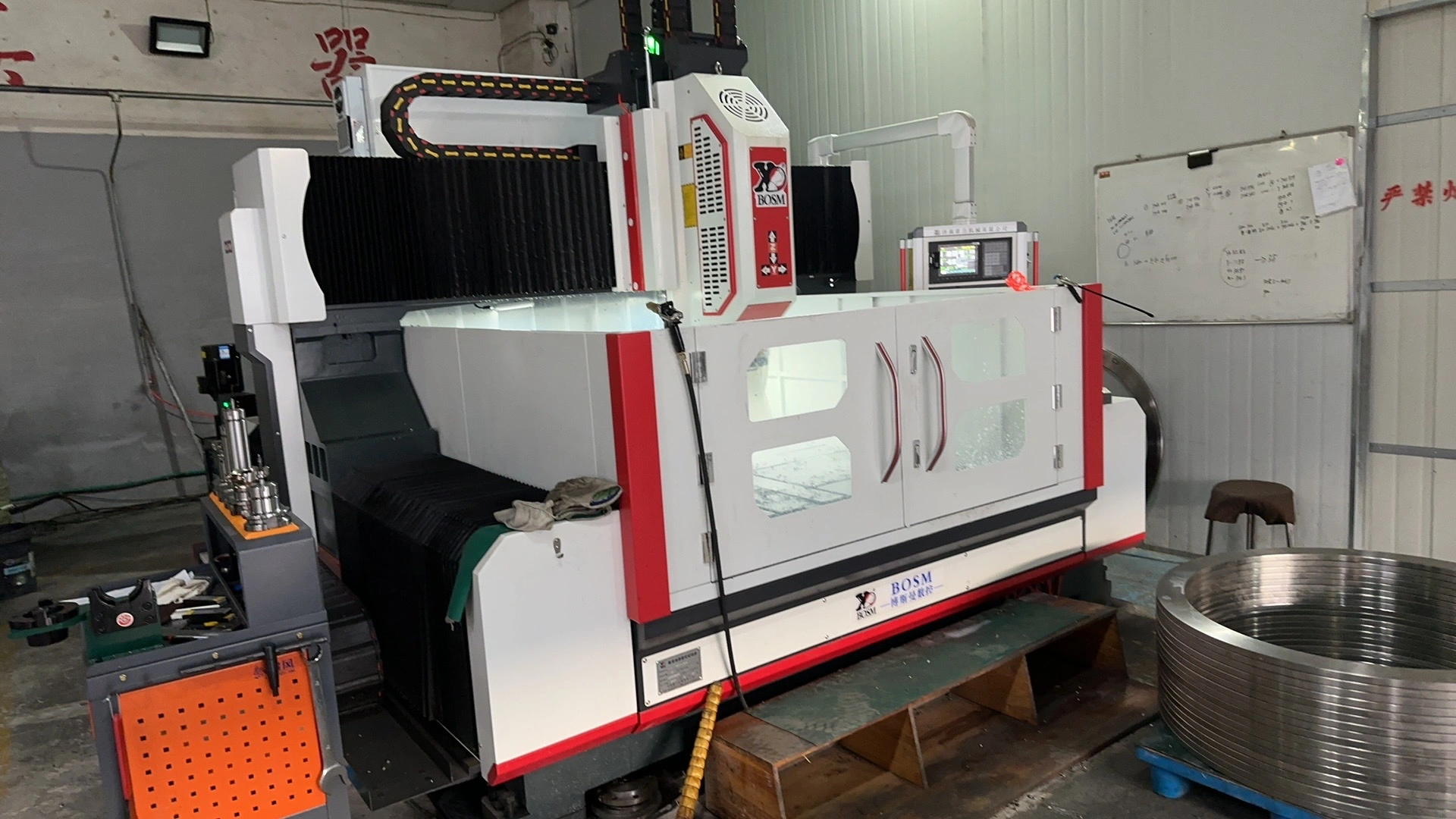
Manufacturing difficulty determines processing cycle and finished part tolerance. Many buyers overlook machinability when selecting raw materials, resulting in increased secondary processing costs.
At first glance, raw material prices of AMS 4985 titanium rods are higher than alloy steel, aluminum alloy and TC4 titanium. However, procurement managers need to evaluate the total lifecycle cost rather than only initial purchasing cost.
For long-term aerospace, defense and deep-ocean projects with strict reliability standards, AMS 4985 brings obvious comprehensive economic benefits despite higher upfront material expenditure.
Global aerospace and energy industries keep pushing the upgrading of high-temperature titanium alloy materials. In 2025–2026, leading material research institutions and aviation OEMs continue optimizing VAR vacuum smelting and β-region precision forging processes for AMS 4985 titanium alloy. Advanced processing technology effectively reduces internal micro-defects inside titanium rods and lifts high-temperature fatigue performance by more than 12%. Full-process digital non-destructive testing is gradually becoming standard for aerospace-grade titanium material production to guarantee consistent quality of mass batches. Meanwhile, lightweight composite technology expands application boundaries of AMS 4985 in new energy power equipment and offshore energy facilities. Many manufacturers also promote low-carbon production technology to lower carbon emissions during Titanium Forging and heat treatment, adapting to global sustainable manufacturing requirements.
Professional procurement managers from North America and Europe focus on five critical standards while sourcing AMS 4985 titanium rods. First, strict aerospace standard compliance, requiring suppliers to hold AS9100 and NADCAP certification to meet global aerospace supply chain access rules. Second, complete material traceability, including chemical composition reports, room/high-temperature mechanical test data and full NDT documents for customer project audit. Third, stable batch quality and precise dimensional tolerance to avoid assembly defects. Fourth, flexible customization capability and reliable lead time, supporting small prototype orders and mass bulk delivery. Fifth, complete technical support, including material processing guidance and after-sales quality response to prevent risks caused by improper material application.
Recent research on AMS 4985 high-temperature titanium alloy has achieved valuable technical breakthroughs. Micro-alloy precise adjustment technology optimizes trace element proportion, further improving high-temperature structural stability and anti-vibration fatigue capacity, allowing continuous stable operation under 450°C and frequent vibration environments. Near-net-shape precision forging technology reduces machining allowance, lifting raw material utilization rate by approximately 15% and lowering customers’ overall processing expenditure. New passive oxidation enhancement technology improves inherent anti-corrosion properties, adapting to complicated marine and chemical corrosive conditions. In addition, intelligent customized production technology realizes seamless switching from small sample trial orders to large-volume mass manufacturing. This innovation supports global aerospace OEMs and industrial manufacturers and accelerates wider civil high-end adoption of AMS 4985 heat-resistant titanium alloy.
AMS 4985 is an official material standard issued by SAE International, specially defined for α-β heat-resistant titanium alloy bars used in aviation and defense equipment. Qualified AMS 4985 titanium rods must satisfy unified chemical composition, mechanical performance and testing requirements. Standard quality control covers 100% spectral composition inspection, room and high-temperature mechanical testing, AMS 2631B ultrasonic testing and eddy current inspection to eliminate internal flaws. Formal aerospace suppliers should own AS9100 and NADCAP certification with full traceability of furnace batch, heat treatment records and test certificates. AMS 4985 titanium alloy features stable chemical properties and non-toxic composition, complying with international industrial safety and environmental regulations.
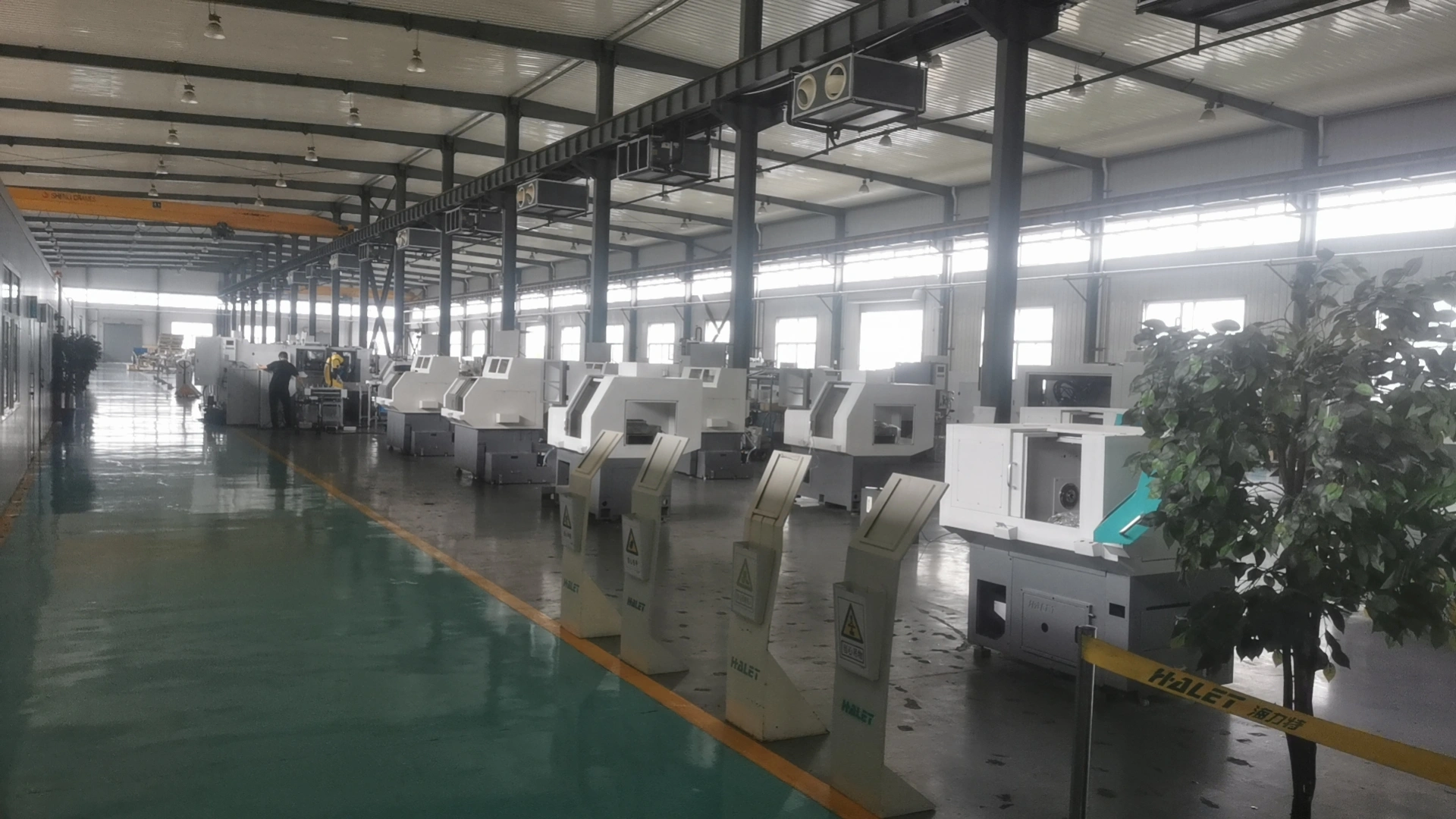
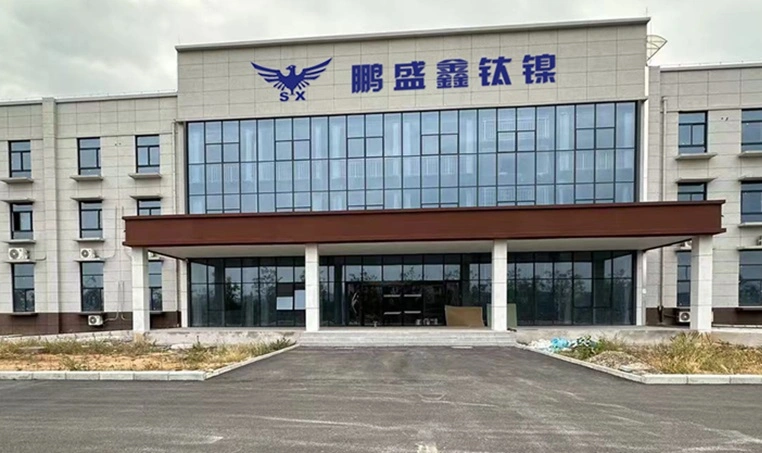
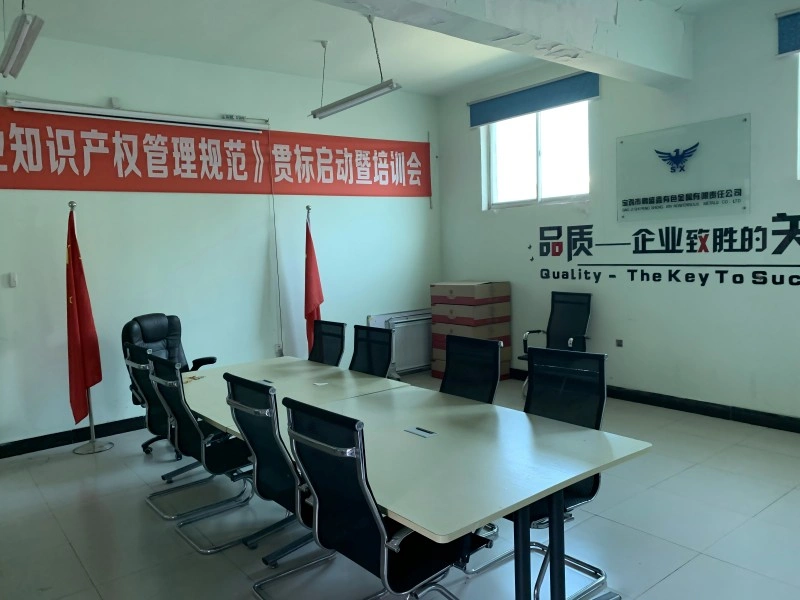
Founded in 2008, PSX is located in Baoji “China Titanium Valley” with more than 18 years of professional titanium alloy manufacturing experience. Our factory occupies over 5,000 square meters with complete imported CNC equipment, independently completing titanium forging, rod rolling, heat treatment and precision inspection. Our technical team consists of over 10 senior material engineers, including many PhD-level specialists focusing on titanium alloy process optimization.
We hold ISO9001, GJB9001C, AS9100 and NADCAP relevant certifications. Our AMS 4985 titanium rods cover specifications from φ6mm small rods to φ200mm large forged billets. We support sample customization and mass orders, supply complete MTC, NDT, heat treatment documents satisfying aerospace audit standards. Flexible production lines support delivery within 7–15 days and global door-to-door logistics coordination.
A: AMS 4985 (TC11) is heat-resistant titanium alloy with long-term service temperature at 450°C, designed for high-temperature working environments. TC4 works stably up to 350°C, costs less and fits ordinary room-temperature structural components. For engine hot-end parts, AMS 4985 remains irreplaceable.
A: Yes. We supply AMS 4985 material certificates, MTC test reports, ultrasonic inspection records, heat treatment curves and full furnace batch traceability documents, fully matching acceptance standards of international aerospace and industrial projects.
A: Absolutely. We support custom dimensions, small prototype batches and large-scale mass production, offering tailored titanium alloy solutions for global OEM manufacturers, distributors and engineering companies.
[1] SAE International (2025). AMS 4985 Standard Specification for Heat-Resistant Titanium Alloy Bars. SAE Aerospace Material Database.
[2] Advanced Aerospace Materials Journal (2026). High Temperature Fatigue Performance of α-β Titanium Alloys, Volume 41, Issue 6.
[3] Reddit Industrial Material Forum (2025). Material Selection Guide for Aerospace High Temperature Components, Industrial Material Research Team.
[4] Quora Engineering Community (2026). AMS 4985 vs TC4: Application Boundary Comparison.
[5] Wiley Online Library (2025). Lifecycle Cost Analysis of Titanium Alloys for Extreme Industrial Equipment.
Selecting structural materials should balance working temperature, load requirements, corrosion environment, weight target and total lifecycle budget. Alloy steel and aluminum alloy remain economical choices for low-temperature, low-load equipment. TC4 titanium alloy suits general aerospace components working below 350°C. If your project requires long-term stability under 300–500°C high temperature, lightweight design and anti-corrosion capability, AMS 4985 Titanium Rod will deliver unmatched comprehensive performance.
As a reliable Chinese titanium alloy manufacturer, PSX provides standardized and customized AMS 4985 titanium alloy products. Contact our technical sales team to get material data sheets, quotation and professional material selection suggestions for your upcoming industrial and aerospace projects.
AMS 4985 Titanium Rod vs. Alternatives: Which Material Fits Your Aerospace Projects?
This SEO-focused professional article compares AMS 4985 Titanium Rod against TC4 titanium alloy, alloy steel and aluminum alloy from multiple dimensions including temperature resistance, strength, weight, corrosion resistance, machinability and total lifecycle cost. The content covers aerospace, petrochemical, marine and defense application scenarios, sorts out the latest industry technology trends and overseas buyers’ procurement concerns, popularizes official industry standards and product maintenance knowledge. Meanwhile, the article demonstrates PSX’s manufacturing capacity, certification system and customized supply ability, helping global procurement managers judge whether AMS 4985 titanium alloy is the optimal raw material choice for their extreme-environment equipment projects.

September 15, 2025
Email to this supplier
September 15, 2025
Privacy statement: Your privacy is very important to Us. Our company promises not to disclose your personal information to any external company with out your explicit permission.
Fill in more information so that we can get in touch with you faster
Privacy statement: Your privacy is very important to Us. Our company promises not to disclose your personal information to any external company with out your explicit permission.