

Send Message
Privacy statement: Your privacy is very important to Us. Our company promises not to disclose your personal information to any external company with out your explicit permission.

Blog Overview: Titanium weld neck flanges have emerged as indispensable pipeline connection components for modern high-end engineering projects. Compared with traditional carbon steel and stainless steel flanges, high strength titanium weld neck flanges feature unparalleled corrosion resistance, lightweight high-strength performance and stable high-temperature and high-pressure adaptability. This blog comprehensively analyzes the core advantages, industry applications, technical standards, maintenance methods and market trends of PSX titanium weld neck flanges, helping global engineering purchasers, manufacturers and distributors make scientific product selection decisions for harsh working condition pipeline systems.
A high strength Titanium Weld Neck Flange is a top-grade pipeline connection fitting specially engineered for extreme industrial working conditions, including high temperature, high pressure, negative pressure, severe vibration and strong corrosive media. Manufactured from premium titanium material (Grade 2 pure titanium and Grade 5 Titanium Alloy ), this product adopts integral Titanium Forging forming and precision titanium CNC machining technology, fully complying with ANSI and GB industrial standards.
Different from ordinary plate flanges and slip-on flanges, the unique tapered long neck transition design of titanium WN flanges realizes uniform pipeline stress distribution. Full-penetration butt welding forms an integrated pipeline structure, which greatly improves the overall rigidity, sealing performance and anti-fatigue ability of the piping system. As a core customized titanium flange product, it has become the preferred solution for high-risk and high-standard engineering pipelines worldwide.
The outstanding performance of titanium weld neck flanges stems from the exclusive physical and chemical properties of titanium and titanium alloy materials, which cannot be matched by traditional metal materials:
Traditional carbon steel and stainless steel flanges are prone to pitting corrosion, crevice corrosion and rust peeling in seawater, chloride, acid-base electrolyte and salt spray environments, leading to pipeline leakage and frequent equipment maintenance. PSX titanium weld neck flanges rely on the stable passivation layer of titanium material to resist long-term erosion of various corrosive media, realizing lifetime rust-free and leakage-free operation. This advantage completely solves the short-term failure pain points of traditional flanges in marine and chemical engineering projects.
Grade 5 titanium alloy weld neck flanges have ultra-high tensile strength and yield strength, with stable mechanical properties under high-pressure pulsating loads. Compared with stainless steel flanges of the same specification, the weight is reduced by nearly 40%, which significantly reduces the self-weight load of offshore platforms, ship piping and aerospace equipment. It effectively avoids pipeline deformation and cracking caused by long-term heavy load operation, greatly improving project safety margin.
The smooth tapered long neck transition design is the core structural advantage of WN flanges. It can evenly disperse pipeline pressure stress, thermal stress and vibration load, eliminate weld stress concentration. Under working conditions of cold and hot alternation, frequent start-stop and high-pressure impact, it effectively prevents common failures such as weld cracking, flange deformation and seal failure, which is far more stable than flat welding flanges.
Different from the plug-in fillet welding process of ordinary flanges, titanium weld neck flanges adopt full-penetration butt welding technology. After welding, the mechanical properties of flanges and matching titanium tube are completely consistent, forming an integrated high-rigidity pipeline system. It is safe and reliable for transporting flammable, explosive and toxic high-risk media, eliminating hidden dangers of pipeline seepage and pressure relief.
Most industrial pipeline failures occur in high-temperature and high-pressure working environments. Traditional metal flanges are prone to thermal expansion deformation, seal aging and strength attenuation under continuous high-temperature and high-pressure operation. PSX high strength titanium weld neck flanges maintain stable structural strength and sealing performance in long-term high-temperature and high-pressure environments.
Titanium material has low thermal expansion coefficient and excellent high-temperature creep resistance, which can effectively resist thermal deformation of pipelines. All products are strictly manufactured according to Class150-Class2500 pressure grade standards, suitable for ultra-high pressure process pipelines in petrochemical, oil and gas extraction industries, ensuring zero leakage and stable operation of the system for a long time.
Global industrial purchasers attach great importance to standard compliance of pipeline fittings. All PSX titanium weld neck flanges strictly follow international authoritative industry standards to ensure full compatibility with global engineering projects:
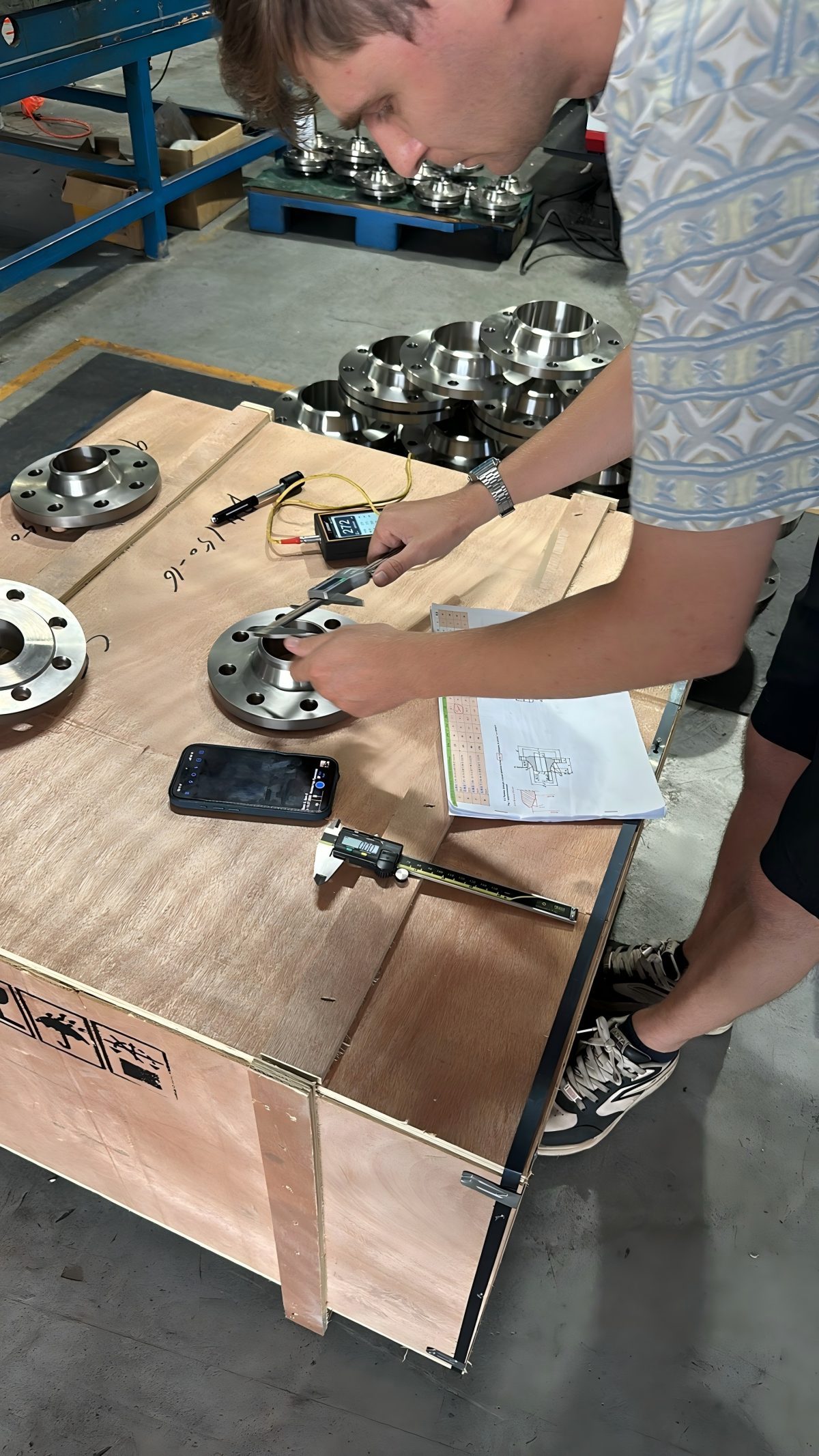
Each batch of products is equipped with complete MTR material test reports, including chemical composition analysis, mechanical performance test and ultrasonic flaw detection reports, supporting third-party authoritative inspection and engineering acceptance.
With dual advantages of high strength and super corrosion resistance, titanium weld neck flanges are widely used in high-end harsh working condition industries worldwide:
Although the initial procurement cost of titanium weld neck flanges is higher than that of traditional steel flanges, they have extremely prominent long-term cost-saving advantages for engineering projects. The service life of titanium flanges can reach 15-30 years in corrosive environments, while stainless steel flanges need to be replaced and maintained every 2-3 years.
Long-term stable operation greatly reduces equipment downtime loss, replacement labor cost and later maintenance investment. For large-scale offshore, chemical and new energy projects, titanium weld neck flanges can effectively reduce the overall project operation cost throughout the life cycle, with extremely high engineering economic value.
In 2026, the global titanium pipeline fitting industry is developing towards high precision, lightweight customization and intelligent corrosion resistance. With the rapid expansion of offshore wind power, hydrogen energy and deep-sea engineering industries, the market demand for high-performance titanium weld neck flanges continues to grow. International engineering institutions have raised higher standards for pipeline fitting safety, environmental protection and durability, eliminating low-performance traditional metal fittings in batches. Advanced manufacturing technologies such as integrated forging and micro-precision CNC machining have become the mainstream of the industry. At the same time, multi-alloy composite titanium flange technology and surface anodic oxidation strengthening technology are continuously upgraded, further improving the high-temperature resistance and wear resistance of products. More manufacturers begin to focus on customized non-standard titanium flange solutions to meet the personalized needs of special working condition projects, and green and low-carbon processing technology has become the core development direction of the industry.
After years of serving European and American factory purchasers, OEM manufacturers and engineering agents, PSX summarizes five key concerns of overseas buyers when purchasing titanium weld neck flanges: First, standard compliance, buyers require products to fully meet ASME and ASTM international standards and support third-party inspection to ensure engineering universality. Second, material authenticity, they pay extreme attention to titanium grade purity and complete MTR certification reports to avoid mixed materials affecting project safety. Third, precision tolerance, high-end engineering requires strict dimensional tolerance control (±0.001mm) to ensure seamless installation. Fourth, customization capability, overseas projects have many non-standard specifications, requiring manufacturers to support drawing customization and small-batch trial production. Fifth, delivery and after-sales, buyers focus on stable delivery cycle, export-standard packaging and professional technical selection support to reduce project cycle risks.
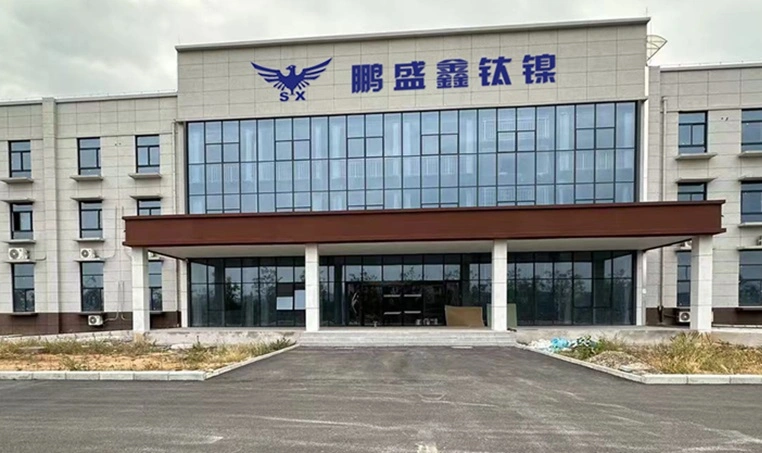
Baoji Pengshengxin Non-Ferrous Metal Co., Ltd. (PSX), founded in 2008, is a professional titanium pipeline fitting manufacturer located in China's Titanium Valley. The company owns a 5,000+ square meters modern production workshop, equipped with advanced CNC lathes, vertical milling centers, wire-cutting equipment and professional flaw detection instruments, realizing integrated production from titanium ingot forging to precision finishing.
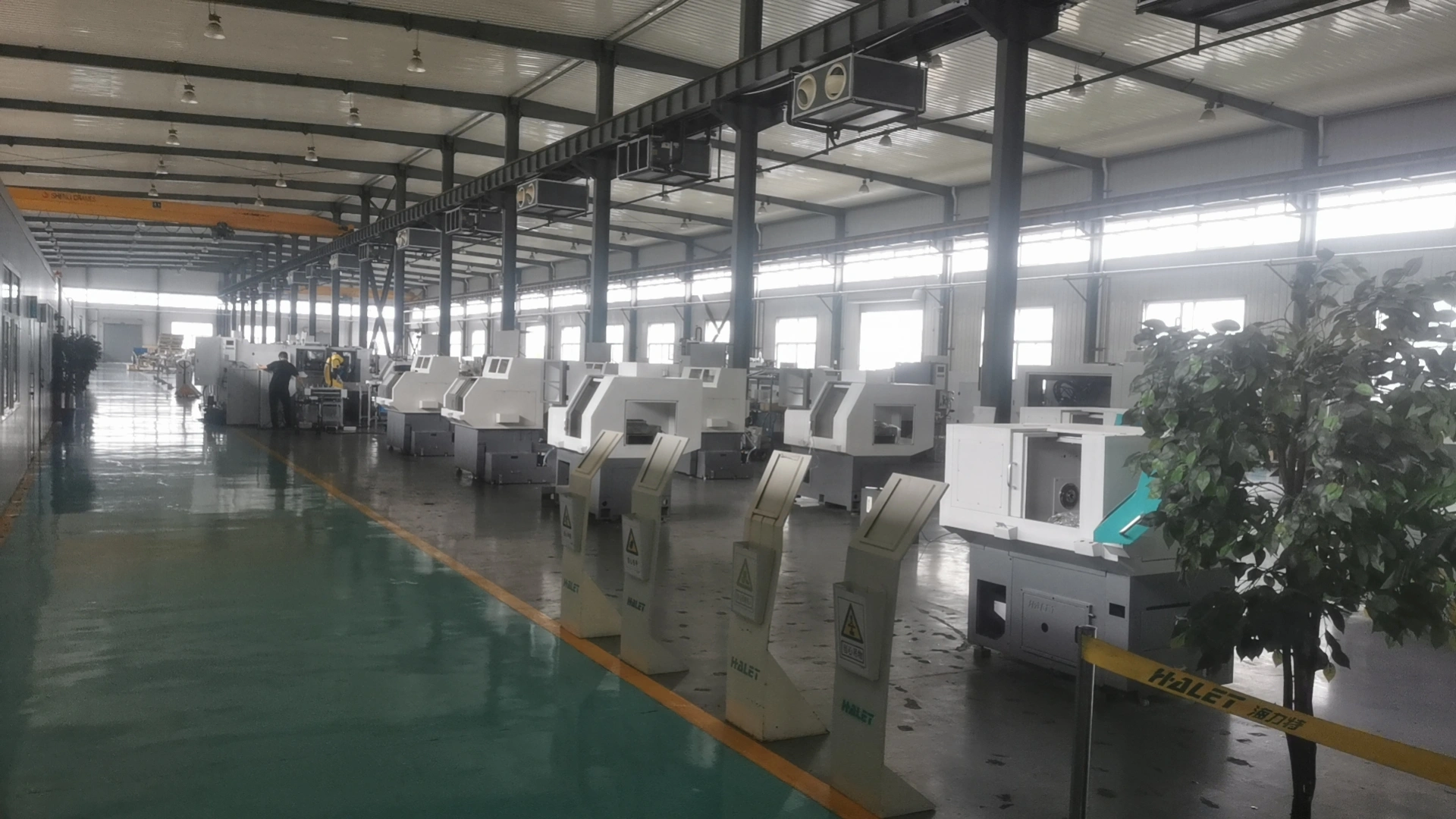
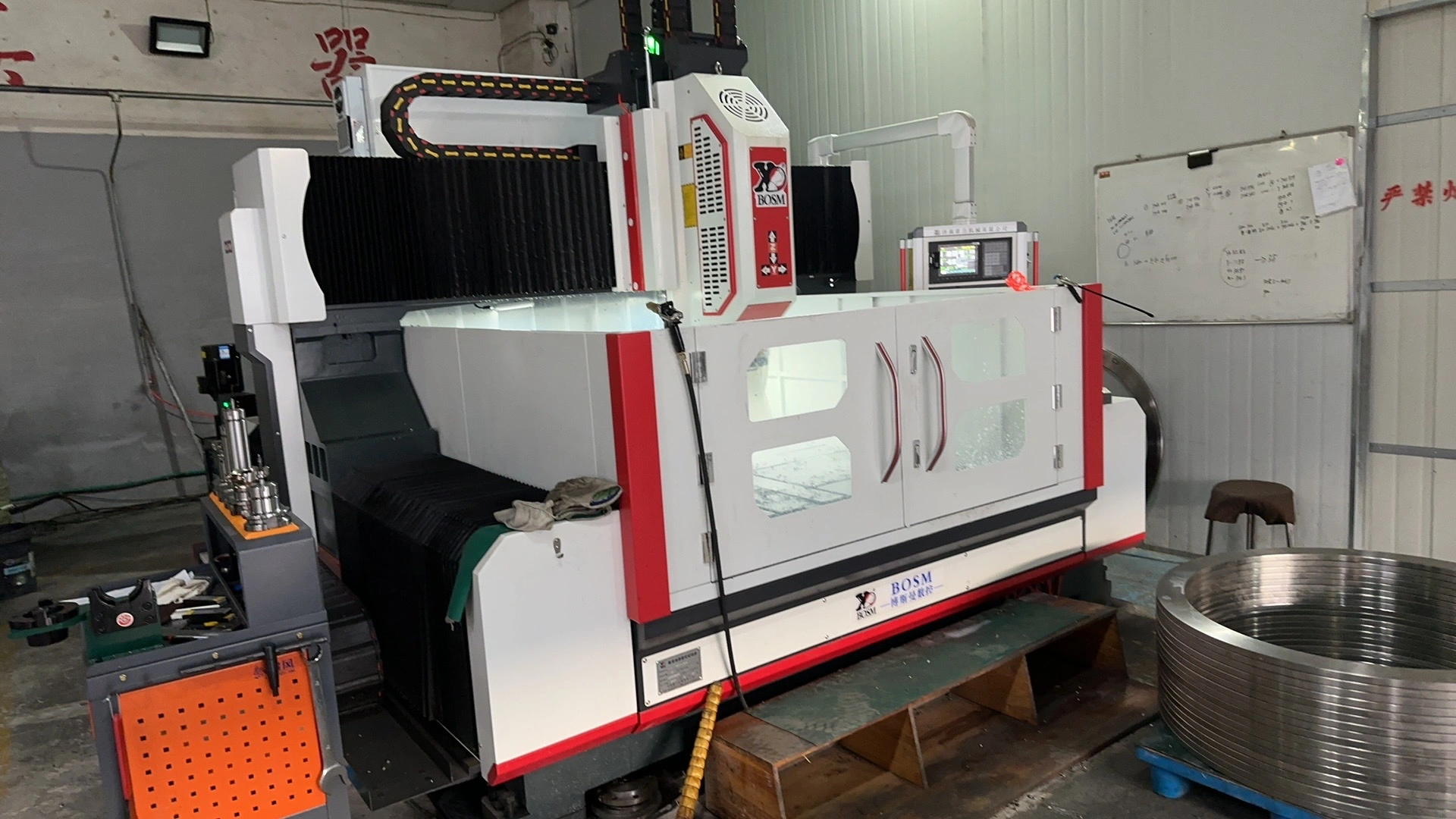
The company has a professional R&D team composed of more than 10 material engineers and senior technicians, with rich experience in titanium alloy product development and precision processing. We independently innovate titanium forging and CNC machining technology, and can provide standard and customized titanium Weld Neck Flange products for global customers. Adhering to strict quality inspection standards, all products undergo multi-dimensional inspection before delivery to ensure 100% qualified rate. We support small-batch trial orders and large-scale bulk orders, with stable delivery and professional one-stop titanium product solutions.
A1: Gr2 pure titanium flanges have excellent ductility and corrosion resistance, suitable for medium and low pressure conventional corrosive working conditions such as seawater desalination and general chemical pipelines. Gr5 titanium alloy flanges have higher strength and high-temperature resistance, specially used for high-pressure, heavy-load and vibration-intensive working conditions such as offshore high-pressure injection and aerospace pipelines.
A2: Yes, with professional transition welding process and matched gaskets, titanium weld neck flanges can be perfectly connected with stainless steel pipes, effectively avoiding electrochemical corrosion and ensuring stable connection performance.
A3: Under normal corrosive working conditions, the service life can reach 15-30 years, which is 5-10 times that of stainless steel flanges, basically realizing maintenance-free operation in the whole project cycle.
A4: Yes. PSX supports OEM/ODM customization, including non-standard diameter, special pressure grade, special sealing surface and thickened high-pressure flanges according to customer drawings and parameter requirements.
A5: We can provide complete MTR material test reports, ultrasonic flaw detection reports, ISO9001 certification, commercial invoices, packing lists and full set of export customs clearance documents, supporting global project acceptance.
PSX high strength titanium weld neck flanges have been successfully applied to multiple offshore desalination and petrochemical projects in Europe and Southeast Asia. A large-scale seawater desalination project in Spain adopted PSX Gr2 titanium weld neck flanges for seawater circulation pipelines. After 8 years of continuous operation in high-salinity and high-humidity marine environment, the pipelines have no corrosion, leakage or deformation, maintaining stable system operation. Compared with the original stainless steel flange scheme, the project saves more than 60% of later maintenance and replacement costs, verifying the excellent durability and cost performance of PSX titanium flanges in harsh environments.

Baoji Pengshengxin Non-Ferrous Metal Co., Ltd | Professional Manufacturer of Titanium Forging, Titanium Flange, Titanium CNC Machining, Titanium Tube and Titanium Bar
Established in 2008 | ISO9001 & GJB9001C Certified | Global Custom Titanium Solution Provider

September 15, 2025

September 30, 2026

September 29, 2026
Email to this supplier
September 15, 2025
September 30, 2026
September 29, 2026
Privacy statement: Your privacy is very important to Us. Our company promises not to disclose your personal information to any external company with out your explicit permission.
Fill in more information so that we can get in touch with you faster
Privacy statement: Your privacy is very important to Us. Our company promises not to disclose your personal information to any external company with out your explicit permission.