

Send Message
Privacy statement: Your privacy is very important to Us. Our company promises not to disclose your personal information to any external company with out your explicit permission.


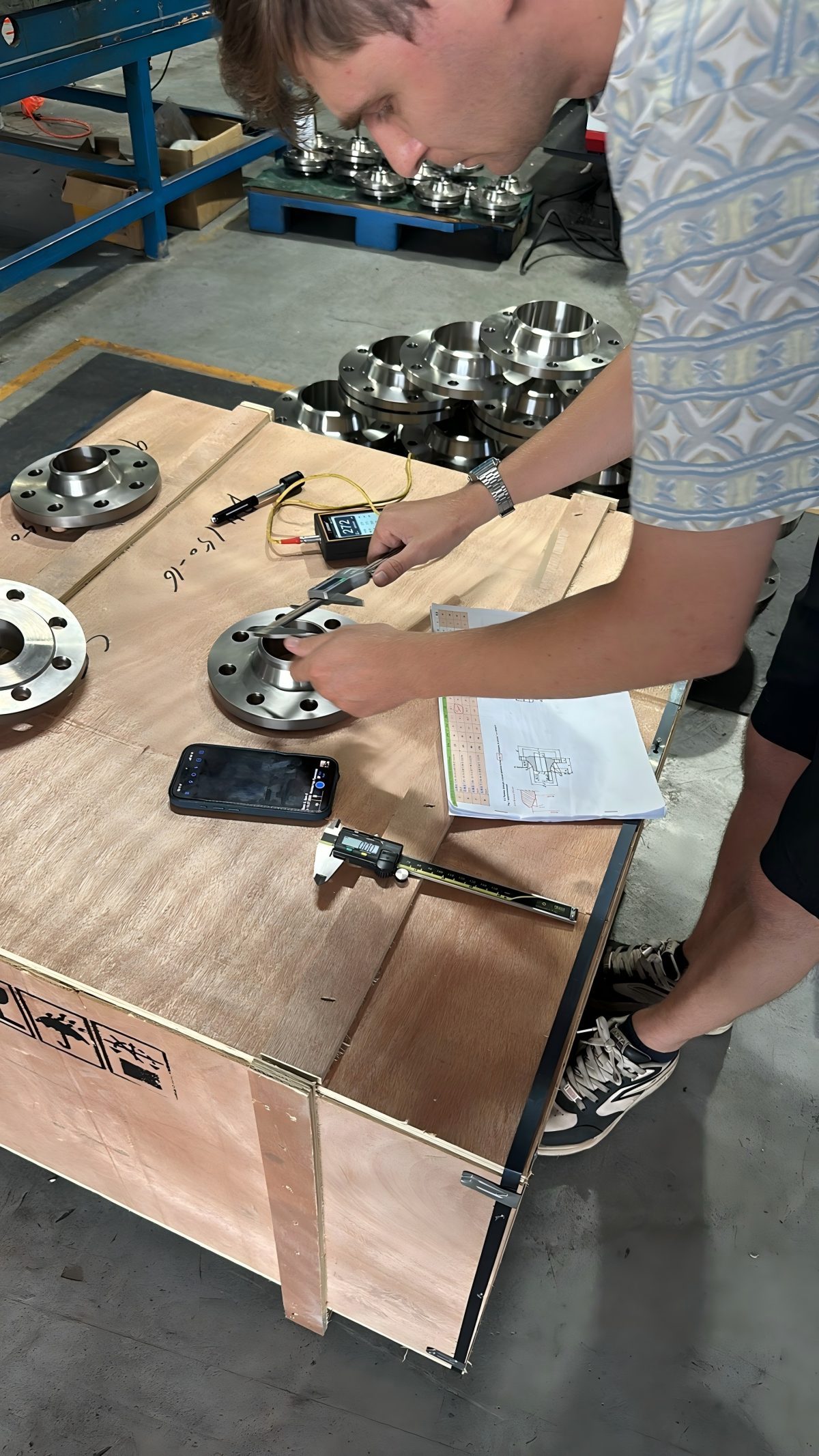
High Strength Titanium Weld Neck Flange is a top-tier butt-weld piping fitting manufactured from Gr2 pure titanium and Gr5 Titanium Alloy. Produced via integral Titanium Forging and refined through Titanium CNC Machining, these flanges adopt a tapered long neck structure to achieve uniform stress distribution along pipelines. As a core category of Titanium Flange products, they are engineered to withstand extreme environments including high pressure, high temperature, severe vibration and strong chemical corrosion.
Different from slip-on flanges and plate flanges, titanium weld neck flanges support full penetration butt welding. After welding, the flange and pipeline form an integrated structure with excellent sealing and anti-fatigue performance. They are widely deployed in marine engineering, seawater desalination, petrochemical processing, new energy electrolysis, oil & gas extraction and aerospace systems, serving as safe connection components for high-risk corrosive fluid transportation.
One of the most outstanding benefits of Titanium Weld Neck Flange is natural corrosion resistance. Titanium spontaneously generates a dense, stable passive oxide film on its surface. This protective layer effectively resists seawater, chloride ions, salt spray, dilute acid, alkaline liquid, electrolyte and various mixed corrosive chemicals.
For seawater desalination brine pipelines and hydrometallurgy electrolyte delivery systems, High Strength Titanium Weld Neck Flange solves the long-standing pain points of traditional metal fittings in corrosive medium transportation.
Gr5 Titanium Alloy features remarkable specific strength far superior to carbon steel and ordinary stainless steel. At equal tensile strength levels, titanium flanges weigh roughly 40% lighter than steel counterparts. This lightweight advantage brings multiple engineering benefits:
Many aerospace and marine engineering projects specify titanium weld neck flanges to control structural dead weight while maintaining maximum pipeline safety thresholds.
The tapered long neck transition structure of Titanium Weld Neck Flange smoothly disperses thermal stress, pipeline vibration and pressure load. It effectively avoids stress concentration at welding seams during frequent temperature alternation, repeated startup and shutdown, and high-pressure shock.
Under continuous high-temperature working conditions, titanium maintains stable mechanical properties and structural integrity. It prevents typical failures including weld fatigue cracking, flange deformation and sealing surface damage. This structural advantage makes titanium weld neck flanges the preferred fitting choice for dynamic high-temperature and high-pressure piping systems.
Compared with steel flanges requiring periodic anti-corrosion treatment, High Strength Titanium Weld Neck Flange achieves ultra-long service life in corrosive environments. The full penetration butt welding method creates an integrated piping structure with outstanding rigidity, suitable for transporting flammable, explosive and toxic hazardous media.
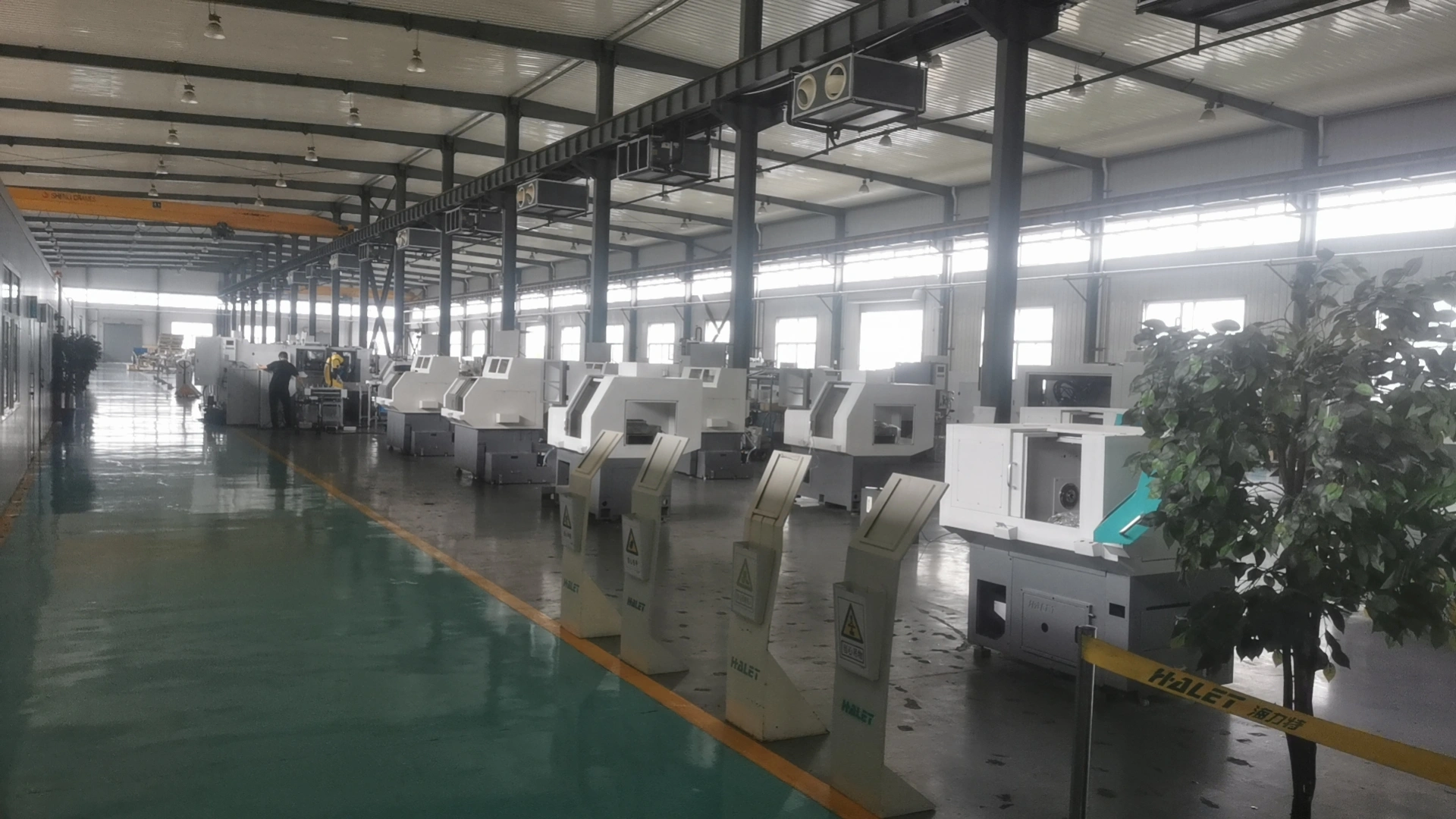
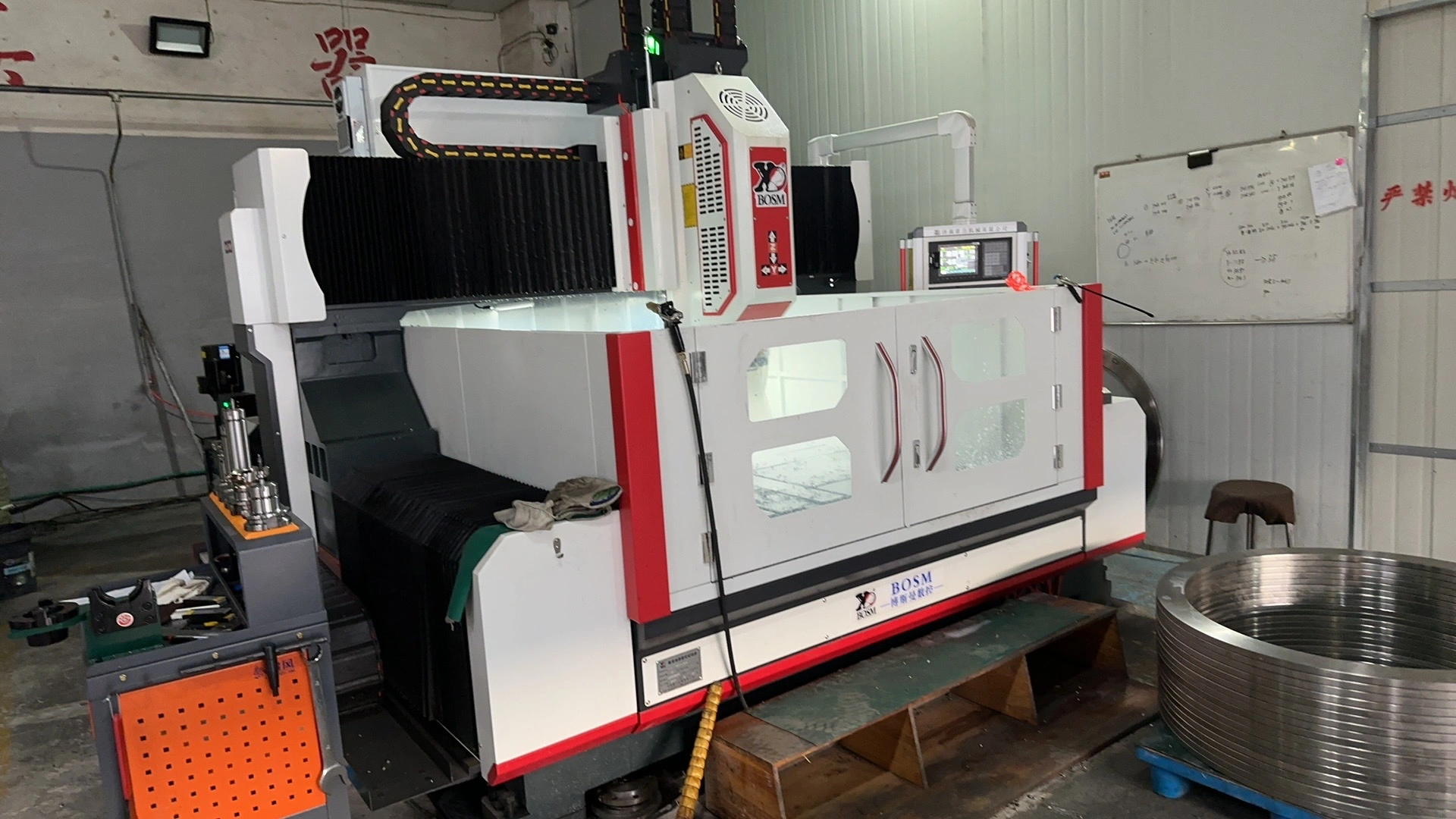
High-precision Titanium CNC Machining guarantees flat sealing surfaces and consistent dimensional tolerance. Well-matched gaskets form stable sealing systems, avoiding medium leakage, pressure loss and potential safety hazards. For projects with a service cycle of 10–20 years, titanium flanges significantly reduce component replacement frequency.
Thanks to the streamlined tapered neck transition design, internal fluid flows smoothly without obvious turbulence and local pressure drop. Unlike flat welding flanges that create flow dead zones, titanium weld neck flanges reduce medium deposition inside pipelines. This characteristic is highly valuable for chemical raw material transportation, brine circulation and high-purity fluid delivery pipelines, lowering pipeline blockage risks and cleaning frequency.
High Strength Titanium Weld Neck Flange covers multiple high-end industrial sectors:
Admittedly, the upfront procurement cost of Titanium Weld Neck Flange is higher than carbon steel and stainless steel flanges. However, global engineering contractors gradually shift from short-term purchase cost evaluation to full lifecycle accounting. In corrosive environments, steel flanges generate continuous expenditure including anti-corrosion coating, regular inspection, shutdown loss and replacement fees.
Titanium flanges almost eliminate corrosion-related maintenance work. For long-cycle offshore, desalination and green hydrogen projects, the total operating cost of titanium piping solutions is lower within the whole project life span.
Titanium components are fully recyclable after service life ends. Extremely long service cycles reduce solid waste produced by frequent part replacement. Unlike steel requiring volatile anti-corrosion paint, titanium works reliably without extra surface coating, cutting chemical pollutant emissions.
More international EPC contractors prefer recyclable, low-maintenance materials to meet carbon neutrality and sustainable construction standards, steadily lifting market demand for titanium alloy fittings such as Titanium Flange, Titanium Tube and Titanium Bar .
The global market for corrosion-resistant pipeline components maintains stable growth, driven by offshore wind power, seawater desalination and green hydrogen industries. Engineering specifications for many offshore and chemical projects are updated to allow Gr2 and Gr5 titanium alloy piping assemblies. Manufacturers continuously optimize integrated Titanium Forging processes to reduce raw material waste and improve internal metallurgical quality. Meanwhile, digital simulation software is widely adopted to analyze stress distribution on weld neck flanges under alternating pressure and temperature, helping engineers optimize structural parameters for deep-sea and electrolysis working conditions. Custom non-standard titanium flanges for special pressure grades gradually become a common procurement requirement, pushing titanium component factories to improve flexible production capacity for small-batch customized orders.
When sourcing Titanium Weld Neck Flange, overseas purchasing managers focus on five key factors. First, complete material test reports (MTR) and support for third-party inspection to satisfy engineering acceptance standards. Second, strict compliance with international standards including ASME B16.5 and ASME B16.47. Third, stable lead times for both standard specifications and custom non-standard titanium flanges. Fourth, consistent dimensional accuracy controlled by precision CNC machining. Fifth, raw material traceability of titanium forgings. Buyers avoid suppliers unable to provide ultrasonic testing and chemical composition certificates, as unqualified titanium flanges will bring huge safety risks for long-term industrial projects. ISO certification, factory production capacity and professional after-sales technical support are also important reference indicators during supplier evaluation.
Current R&D on titanium weld neck flanges mainly focuses on two directions: reducing residual stress inside forgings and upgrading sealing surface forming technology. Optimized heating and forging procedures lower internal defects, improving the stability of flanges under long-term alternating loads. Advanced one-step CNC forming technology enhances flatness of sealing faces and reduces secondary processing workload. Material engineers are also exploring matched welding technology to improve weld toughness between titanium flanges and Titanium Tube. Simulation tools are used to verify the anti-fatigue performance of tapered neck structures under deep-sea high pressure. Leading manufacturers like PSX continuously upgrade processing solutions to balance high precision and production cost, further improving the market competitiveness of titanium alloy fittings against continuously maintained steel piping systems. All new processes are verified through repeated mechanical testing and corrosion simulation to satisfy strict requirements from aerospace, marine and petrochemical end users.
International industrial projects recognize these mainstream specifications for titanium flanges:
PSX High Strength Titanium Weld Neck Flange strictly complies with above standards. Every batch is supplied with complete MTR, UT inspection and mechanical performance documents, meeting export project audit requirements.
A: PSX provides Gr2 pure titanium and Gr5 Titanium Alloy weld neck flanges to match different pressure and corrosion working environments.
A: Yes. We support drawing-based customization for thickened high-pressure and special-shaped Titanium Flange via Titanium CNC Machining.
A: All orders come with complete MTR reports, chemical composition data and ultrasonic testing records; third-party re-inspection is acceptable.
A: Weld neck flanges adopt full penetration butt welding and tapered neck stress transition, suitable for high pressure, high temperature and vibration pipelines. Slip-on flanges are mainly used for low-pressure general piping systems.
A: Insulating gaskets must be installed to prevent galvanic corrosion caused by potential difference between dissimilar metals.
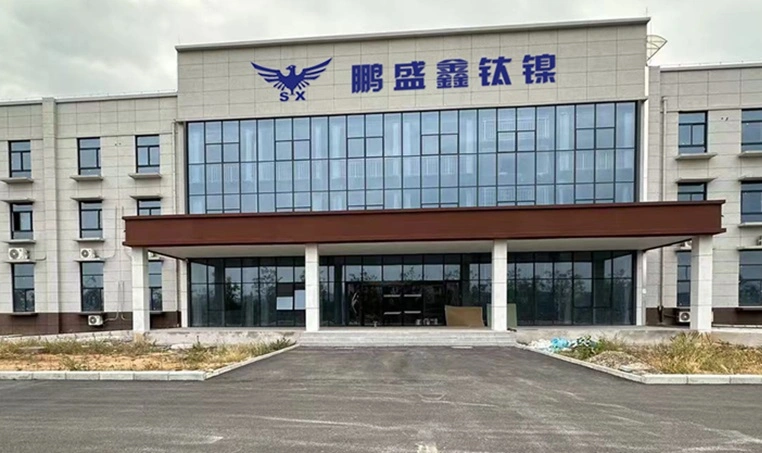
For conventional low-corrosion pipelines, steel flanges remain a viable option. Once your project faces seawater, acid-alkali media, high pressure, continuous operation or strict weight restrictions, Titanium Weld Neck Flange delivers unmatched long-term value. As a professional manufacturer founded in 2008, Baoji Pengshengxin Non-Ferrous Metal Co., Ltd. (PSX) specializes in reliable Titanium Forging, precision Titanium CNC Machining and full-series titanium alloy fittings for global OEMs, distributors and engineering procurement managers. Our factory covers over 5,000 square meters with advanced processing equipment, supported by experienced material engineers and strict ISO9001 & GJB9001C-2017 quality control systems. Contact our team to discuss your piping flange specifications and customized quotation solutions.
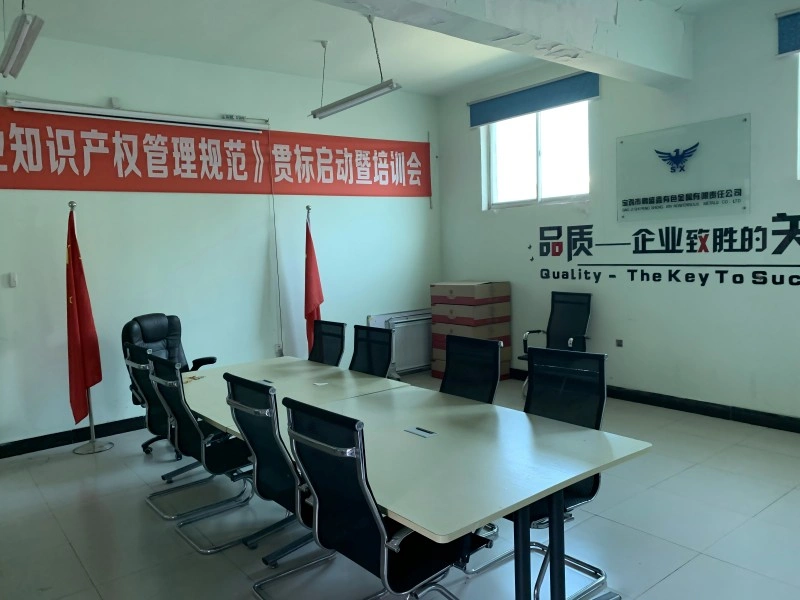
Founded in 2008 and located in China’s Titanium Valley — Baoji, PSX focuses on manufacturing Titanium Flange, Titanium Forging, Titanium CNC Machining, Titanium Tube, Titanium Bar and customized Titanium Alloy components. We hold ISO9001 and GJB9001C-2017 certifications, serving marine, petrochemical, new energy and aerospace clients worldwide. Welcome to send drawings and technical requirements for quotation.
Follow our official social media:
Facebook: https://www.facebook.com/profile.php?id=61576318027076&sk=about
YouTube: https://studio.youtube.com/channel/UC8ifqgXKhZq2Ctxri13JavA/editing/profile
Instagram: https://www.instagram.com/alen_guan/

September 15, 2025

September 30, 2026

September 29, 2026
Email to this supplier
September 15, 2025
September 30, 2026
September 29, 2026
Privacy statement: Your privacy is very important to Us. Our company promises not to disclose your personal information to any external company with out your explicit permission.
Fill in more information so that we can get in touch with you faster
Privacy statement: Your privacy is very important to Us. Our company promises not to disclose your personal information to any external company with out your explicit permission.