

Transformative Power: High Purity Aluminum Vanadium Alloy Mastery Explained!
For procurement managers at aerospace, automotive, oil & gas, medical and OEM manufacturing facilities, consistent, traceable Master Alloy feedstock directly determines the yield, scrap rate and final mechanical performance of titanium alloy. Aluminum Vanadium Alloy Master Alloy, also widely known as High Purity Aluminum Vanadium Alloy Master Alloy, is the irreplaceable intermediate raw material for manufacturing Ti‑Al‑V grades such as TC4 / Grade 5 titanium. Available in mainstream AlV55 (~58% V) and AlV65 (~65% V) variants, this binary master alloy solves the historic metallurgical challenge of pure vanadium’s high melting point, density segregation and severe burn‑off during vacuum titanium melting. PSX, the brand of Baoji Pengshengxin Non-Ferrous Metal Co., Ltd, delivers rigorously tested batches to global smelters, distributors and component manufacturers.

Introduction to High Purity Aluminum Vanadium Alloy
High Purity Aluminum Vanadium Alloy Master Alloy is produced via aluminothermic reduction, pre‑fusing vanadium and aluminum into a uniform binary carrier. Unlike pure vanadium, this master alloy melts quickly and disperses evenly inside molten titanium during vacuum melting. It raises vanadium recovery, shortens melting cycles and eliminates composition drift and segregation. Two standard grades dominate the market: AlV55 for general TC4 production and AlV65 for high‑vanadium β‑titanium alloy formulations. This master alloy underpins the entire production chain for titanium material used for Titanium CNC Machining, Titanium Forging and titanium flange components.
Historical Background and Development
Before the commercialization of Al‑V master alloy, titanium smelters struggled to incorporate vanadium reliably. Pure vanadium’s high density made it sink in titanium melt, causing uneven ingot chemistry and high scrap rates. Early aluminothermic master alloy formulations emerged to resolve this barrier, enabling stable mass production of Ti‑6Al‑4V. As aerospace and medical titanium specifications tightened, manufacturers pushed suppliers to reduce oxygen, nitrogen, carbon and metallic impurities. Over decades, the product evolved from basic industrial grades to ultra‑high‑purity variants for ASTM F136 Gr23 medical titanium and high‑performance aerospace ingots. PSX has followed this evolution closely, building its titanium supply business since 2008 in Baoji’s Titanium Valley to support the rising demand for consistent master alloy and finished titanium parts.
Unique Properties and Characteristics
Core Functional Properties
- Solid‑solution strengthening: Vanadium stabilizes titanium microstructures and improves ductility, toughness and fatigue resistance.
- Lower effective melting threshold: The aluminum matrix lowers the barrier for vanadium dissolution in molten titanium, avoiding undissolved vanadium agglomeration.
- Controlled impurity profile: Premium grades cap oxygen, nitrogen, iron, silicon and carbon to preserve titanium plasticity and fatigue life.
- Tunable particle morphology: Granular, low‑dust formats support automated feeding for vacuum arc furnaces, electron beam furnaces and chill bed furnaces.
Key Commercial Advantages
- High, predictable vanadium recovery with controlled melting losses and less raw material waste.
- Homogeneous alloy matrix that diffuses rapidly, reducing batch scrap and rework.
- Full spectroscopic inspection per furnace lot with formal material certificates.
- Batch‑to‑batch consistency that simplifies formula locking for titanium alloy producers.
Applications in Aerospace and Automotive Industries
Aerospace remains the largest end market for Aluminum Vanadium Alloy Master Alloy. It is the foundational feedstock for TC4, TC11 and TC17 titanium ingots used for aircraft structural frames, landing gear, engine titanium blades, casings and ducts. Aerospace tier‑1 smelters require fully traceable, low‑impurity master alloy to meet flight‑critical quality gates. In automotive lightweighting, Ti‑Al‑V alloys are increasingly adopted for premium EV and high‑performance vehicle suspension parts, exhaust assemblies and vibration damping structures. Automakers and their OEM metal suppliers rely on stable master alloy supply to produce lightweight titanium components that reduce curb weight and cut energy consumption. PSX supplies matching master alloy for clients producing Titanium Flange, Titanium Bar and Titanium Tube for both sectors.
Role in Electronics and Telecommunications
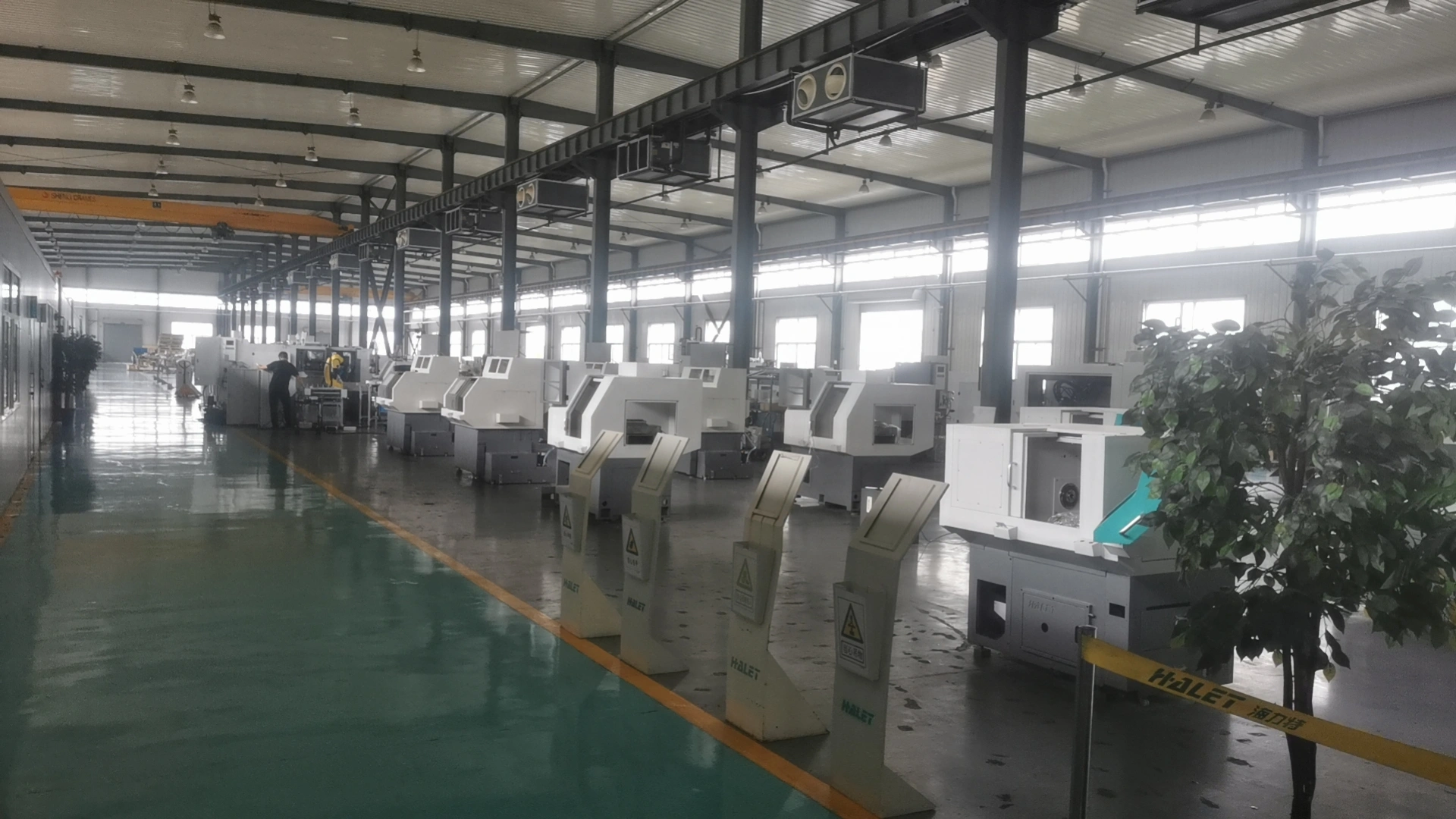
While aerospace and automotive are the primary consumption areas, high‑purity titanium alloys manufactured with Aluminum Vanadium Alloy Master Alloy also serve specialized electronics and telecommunications hardware. Titanium alloy housings, heat sinks and structural brackets for high‑power RF and microwave equipment benefit from the material’s high strength‑to‑weight ratio, corrosion resistance and stable performance under thermal cycling. These telecom component manufacturers typically use smaller, custom alloy batches and demand strict impurity control, the same quality framework that PSX applies to aerospace and medical grade master alloy orders.
Advancements in Manufacturing Techniques
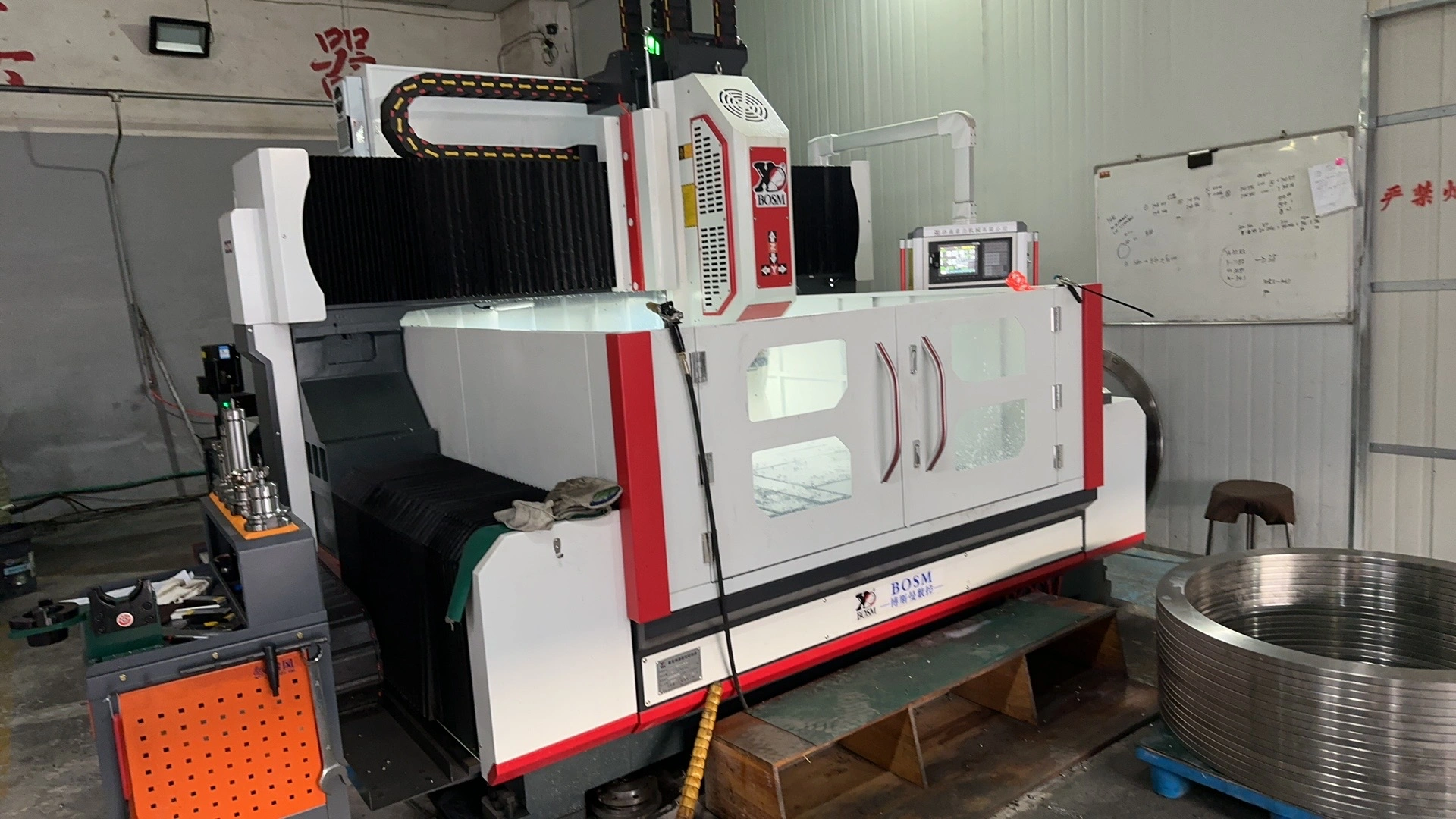
Modern production of High Purity Aluminum Vanadium Alloy Master Alloy centers on controlled aluminothermic reduction, inert atmosphere crushing, closed‑circuit screening and full spectral composition testing. Older open‑air crushing workflows have gradually been replaced by sealed systems to limit oxygen pickup. PSX’s 5,000+ ㎡ manufacturing facility in Baoji High‑Tech Development Zone integrates advanced crushing, screening and analytical testing equipment. Our production layout separates high‑purity grade lines to prevent cross‑contamination. Our engineering team of more than 10 professional material engineers and multiple PhD specialists continuously optimizes reduction parameters, particle grading and packaging workflows to boost yield stability and reduce gas impurity uptake.
Environmental Impact and Sustainability Considerations
Sustainability is now a core purchasing factor for European and North American industrial buyers of Aluminum Vanadium Alloy Master Alloy. Aluminothermic reduction carries specific energy demands, so leading manufacturers are optimizing thermal control and waste recovery to lower energy consumption and emissions. Closed crushing circuits reduce fine particulate release and improve workplace safety. Many titanium end users now require suppliers to disclose carbon footprint data and recycling pathways for production waste. PSX follows structured waste sorting and resource recovery protocols and supports customers with documentation for ESG audits and CBAM compliance reviews. Stable master alloy quality also advances sustainability indirectly: consistent vanadium recovery cuts raw material waste and reduces the energy penalty of re‑melting scrapped titanium ingots.
Challenges in Production and Quality Control
- Gas impurity control: Oxygen and nitrogen absorption during crushing and handling is the most persistent risk for high‑end grades.
- Uniform particle sizing: Poor particle distribution creates inconsistent feeding and uneven melting performance across furnace types.
- Batch repeatability: Minor variation in raw vanadium feedstock can shift alloy composition if reduction parameters are not tightly monitored.
- Traceability overhead: Aerospace and medical buyers require full chain‑of‑custody records tied to every furnace batch.
PSX mitigates these challenges with furnace‑by‑furnace spectroscopy testing, dedicated high‑purity production zones, standardized SOPs and complete material certification packages for each shipment.
Latest Industry Technical Trends
Global titanium smelters are shifting toward ultra‑low‑oxygen, low‑nitrogen master alloy grades tailored for titanium powder metallurgy and additive manufacturing. Inert‑gas crushing and sealed packaging are becoming baseline requirements for medical and aerospace lots, while buyers increasingly request particle size distribution curves alongside standard COA documents. The market also pushes master alloy producers to align supply chains with ESG and carbon reporting frameworks. As titanium 3D printing scales, custom fine‑particle Al‑V master alloy pre‑alloy feeds represent a fast‑growing niche. Leading non‑ferrous manufacturers are partnering with titanium powder developers to refine master alloy specifications for atomization and powder blending workflows, raising the bar for purity and particle consistency across the whole master alloy sector.
Five Key Concerns of Western Industrial Buyers
European and US procurement managers prioritize five core factors when sourcing Aluminum Vanadium Alloy Master Alloy. First, strict impurity control for oxygen, nitrogen and carbon, which directly impacts fatigue and ductility in aerospace and medical titanium parts. Second, unbroken batch consistency and full spectroscopic traceability with auditable material certificates. Third, flexible particle customization matched to EB furnaces, vacuum arc furnaces and automated batching systems. Fourth, predictable lead times and resilient long‑term supply contracts to avoid melting line downtime. Fifth, valid quality certifications including ISO9001 and military quality standards plus support for third‑party qualification audits. Raw material pricing is rarely the top priority for high‑grade buyers; unplanned scrap and failed customer qualification bring far greater financial risk than marginal differences in per‑kilogram cost.
New R&D and Application Developments
Current R&D work for Aluminum Vanadium Alloy Master Alloy extends beyond the classic TC4 formulation, targeting custom master alloy variants for advanced β‑titanium and high‑temperature titanium alloy families. Research teams are testing modified Al‑V master alloys with tightly controlled trace elements to simplify alloying sequences and reduce the total number of feed materials added in one vacuum heat. Another major development direction is low‑dust, free‑flowing granular master alloy optimized for continuous feeding systems in modern titanium melting lines. Medical grade control thresholds are tightening for implantable titanium, pushing suppliers to deploy dedicated high‑purity production zones and single‑batch dedicated tooling. R&D also links master alloy consistency directly to titanium powder quality for additive manufacturing, opening a new supply segment for metal 3D printing factories. PSX’s internal engineering team participates in these material trials and offers custom R&D support for qualified long‑term partners.
Product Usage and Maintenance Guidance
Correct Operation & Feeding Best Practices
- Match particle size to your furnace model; fine powder grades are not recommended for conventional vacuum arc furnaces unless fitted with dust containment systems.
- Follow your alloy formula sheet for AlV55 or AlV65 addition weight; avoid over‑addition to prevent unwanted aluminum drift in your titanium melt.
- Charge the master alloy at the designated stage of your vacuum melting cycle to maximize vanadium recovery and uniform diffusion.
Storage & Inventory Maintenance
- Store high‑purity aerospace and medical grade master alloy in sealed, dry packaging to limit oxygen absorption, especially fine crushed particles.
- Maintain low humidity in warehouse storage areas and separate AlV55 and AlV65 inventory with clear labeling to prevent grade mixing.
- Archive COA certificates and tie batch numbers to your Titanium Ingot production records for full traceability.
Industry Standard Overview & Quality Specifications
High purity Aluminum Vanadium Alloy Master Alloy for titanium production supports widely accepted metallurgical and aerospace standards. ASTM specifications including ASTM B348 and ASTM F136 define final impurity limits for Gr5 and Gr23 titanium, creating cascading requirements for master alloy feedstock purity. Military and aerospace buyers often apply AMS, GJB and ISO9001 quality management frameworks. PSX holds ISO9001 and GJB9001C‑2017 certification, so our master alloy, titanium bar, titanium tube and precision machined titanium components follow audited quality control workflows. All batches are analyzed by full spectrum testing before shipment, and material certificates are provided for every furnace lot.
PSX Factory Strength, R&D Team & Innovation Achievements
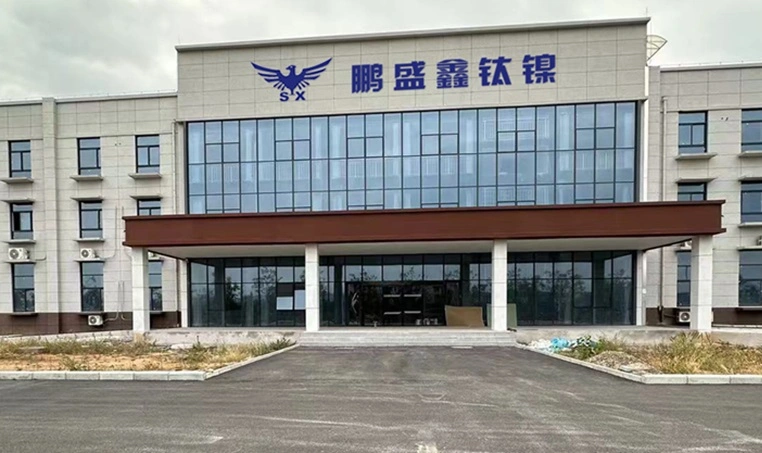
Baoji Pengshengxin Non-Ferrous Metal Co., Ltd (PSX brand) was founded in 2008 in Baoji High‑Tech Titanium Valley. Our facility covers more than 5,000 square meters, equipped with CNC machining centers, sawing, milling, wire‑cutting and precision analytical testing equipment. Our technical team includes over 10 professional material engineers and multiple senior PhD technical specialists focused on non‑ferrous alloy formulation and smelting process optimization. We support small‑batch R&D trial orders and mass serial production for global OEMs, distributors and end manufacturers. Our export sales cover Europe, North America, Asia and Africa, with a multilingual technical team assisting clients from material selection through qualification documentation and after‑sales support.
Future Trends and Innovations
Demand for Aluminum Vanadium Alloy Master Alloy will continue expanding in offshore deep‑sea oil & gas equipment, rail transit lightweight components and specialty high‑temperature alloy manufacturing. Medical titanium implant demand will keep lifting the market for ultra‑low‑impurity Al‑V master alloy. Titanium additive manufacturing is one of the most transformative growth vectors, creating demand for custom particle sizes and ultra‑consistent composition. PSX plans to expand high‑purity master alloy production capacity and develop new tailored grades aligned with evolving titanium powder and near‑net‑shape manufacturing requirements. Supply chain resilience and transparent ESG reporting will become standard vendor qualification criteria for global titanium buyers.
FAQ
Q: How do I choose between AlV55 and AlV65?
A: AlV55 has moderate vanadium content and is the universal first choice for most TC4 titanium alloy manufacturers. AlV65 features higher vanadium concentration. It is selected when your formula requires a high vanadium ratio and you want to reduce the total master alloy mass added per heat; it is widely used for high‑end β titanium alloys.
Q: Are vanadium-aluminum alloys susceptible to oxidation?
A: Finished bulk pieces form a thin passivated surface layer, so short‑term normal storage is safe. Fine crushed particles and powder fractions absorb oxygen faster. High‑purity aerospace and medical grades must be stored in sealed containers and consumed promptly after opening.
Q: Can PSX customize particle size for my melting furnace?
A: Yes. We can adjust particle specifications for vacuum arc furnaces, electron beam furnaces and chill bed furnaces, with low‑dust flowability optimized for automated batching systems.
Conclusion: The Alloy’s Transformative Potential
Aluminum Vanadium Alloy Master Alloy is far more than a secondary metallurgical feedstock; it is the foundational material that unlocks reliable mass production of modern titanium alloys. Aerospace lightweighting, electric vehicle weight reduction, medical implant safety and deep‑sea corrosion resistance all depend on stable, low‑impurity Al‑V master alloy. Choosing a qualified supplier like PSX delivers consistent vanadium recovery, controlled impurities, complete traceability documentation and stable long‑term supply for your titanium melting line. Whether your facility produces titanium ingots, titanium forgings, precision CNC titanium parts or titanium flanges, the quality of your Aluminum Vanadium Alloy Master Alloy directly shapes your final product performance, scrap rate and production profitability.
References
1. Wikipedia contributors. Titanium alloy, 2025, Wikimedia Foundation.
2. Hale, R. “Master Alloy Selection for Vacuum Ti Alloy Melting”, Metallurgy Engineering Forum, 2025, Industrial Material Technical Forum.
3. Quora Materials Science Community. “Why Al‑V Master Alloy Is Used for TC4 Production”, 2025, Quora.
4. AMS Technical Committee. “Trace Impurity Control for Aerospace Titanium Master Alloys”, 2024, Aerospace Material Specification Working Paper.
5. Reddit Metallurgy Subreddit. “Vanadium Recovery and Segregation Control in Titanium Vacuum Melting”, 2025, Reddit.
Connect with PSX
Visit our social pages:
Facebook: PSX Facebook Profile
YouTube: PSX YouTube Channel
Instagram: PSX Instagram
Baoji Pengshengxin Non-Ferrous Metal Co., Ltd | PSX Brand


