

From Aerospace to Automotive: How This Alloy Is Changing the Game!
When engineers talk about breakthrough raw materials for modern lightweight high-performance metal systems, Aluminum Vanadium Alloy Master Alloy sits at the center of the conversation. Also known as high purity Aluminum Vanadium Alloy Master Alloy, this master alloy is the foundational intermediate material for producing Ti‑Al‑V titanium alloys such as Grade 5 TC4. Manufacturers across aerospace, automotive, offshore oil & gas, and medical sectors rely on this material to stabilize smelting, control element distribution, and guarantee consistent mechanical performance in finished titanium material. PSX, the brand of Baoji Pengshengxin Non-Ferrous Metal Co., Ltd, delivers stable batches of AlV55 and AlV65 grades to OEM factories, alloy smelters and global distributors.

Introduction: The Revolutionary Alloy Transforming Industries
High Purity Aluminum Vanadium Alloy Master Alloy solves a long-standing pain point in titanium smelting: pure vanadium has an extremely high melting point and density. Direct addition of pure vanadium into molten titanium causes sinking, segregation and severe burning loss. The aluminothermic reduction process pre-fuses vanadium and aluminum into a uniform binary master alloy. Once added during vacuum melting, the master alloy disperses rapidly, raises vanadium recovery, cuts melting cycle time and eliminates composition drift. This simple Intermediate Alloy unlocks mass production for modern titanium alloy grades. Whether your workshop produces Titanium CNC Machining parts, titanium forgings or titanium flanges, stable master alloy feedstock directly lowers scrap rates and stabilizes final part quality.
Aerospace Industry: Demands for Lightweight and Durable Materials
Aerospace remains the core consumption market for Aluminum Vanadium Alloy Master Alloy. Aircraft structural frames, landing gear, engine titanium blades, casings and ducts all depend on TC4, TC11 and TC17 titanium alloy ingots. Aerospace material specifications demand ultra-low oxygen, nitrogen, iron, silicon and carbon impurities. Even tiny impurity levels degrade fatigue strength and ductility, which is unacceptable for flight-critical components. Many aerospace tier‑1 smelters select AlV55 and AlV65 from PSX to produce certified titanium ingots for downstream forging and machining.
Automotive Sector: Pursuit of Efficiency and Performance
Automotive lightweighting is accelerating adoption of Ti‑Al‑V alloys for premium EV and high-performance vehicle platforms. Compared with steel, titanium alloy components reduce curb weight, cut unsprung mass and support longer battery range. Automotive titanium parts such as suspension links, exhaust assemblies and vibration damping structures are all smelted using Aluminum Vanadium Alloy Master Alloy. Automakers and their OEM metal suppliers prioritize stable batch consistency, predictable pricing and flexible particle sizes for automated batching systems. PSX supplies master alloy matched to vacuum arc furnaces and electron beam furnaces used by automotive alloy foundries.
Alloy Composition: What Makes It Unique and Versatile
AlV55 vs AlV65 Grade Definition
- AlV55: ~58% vanadium content, universal grade, the default selection for most TC4 titanium alloy manufacturers.
- AlV65: ~65% vanadium content, high vanadium grade, designed for high‑vanadium formulation and β‑titanium alloy development. Less master alloy addition per heat reduces aluminum overshoot risk.
The binary Al‑V matrix creates a carrier that melts and diffuses uniformly in titanium melt. Its core functional roles include solid-solution strengthening of titanium and lowering the effective melting threshold for vanadium. The finished master alloy can be customized into multiple particle sizes for different furnace feeding systems.
Manufacturing Process: Innovations in Alloy Production Techniques
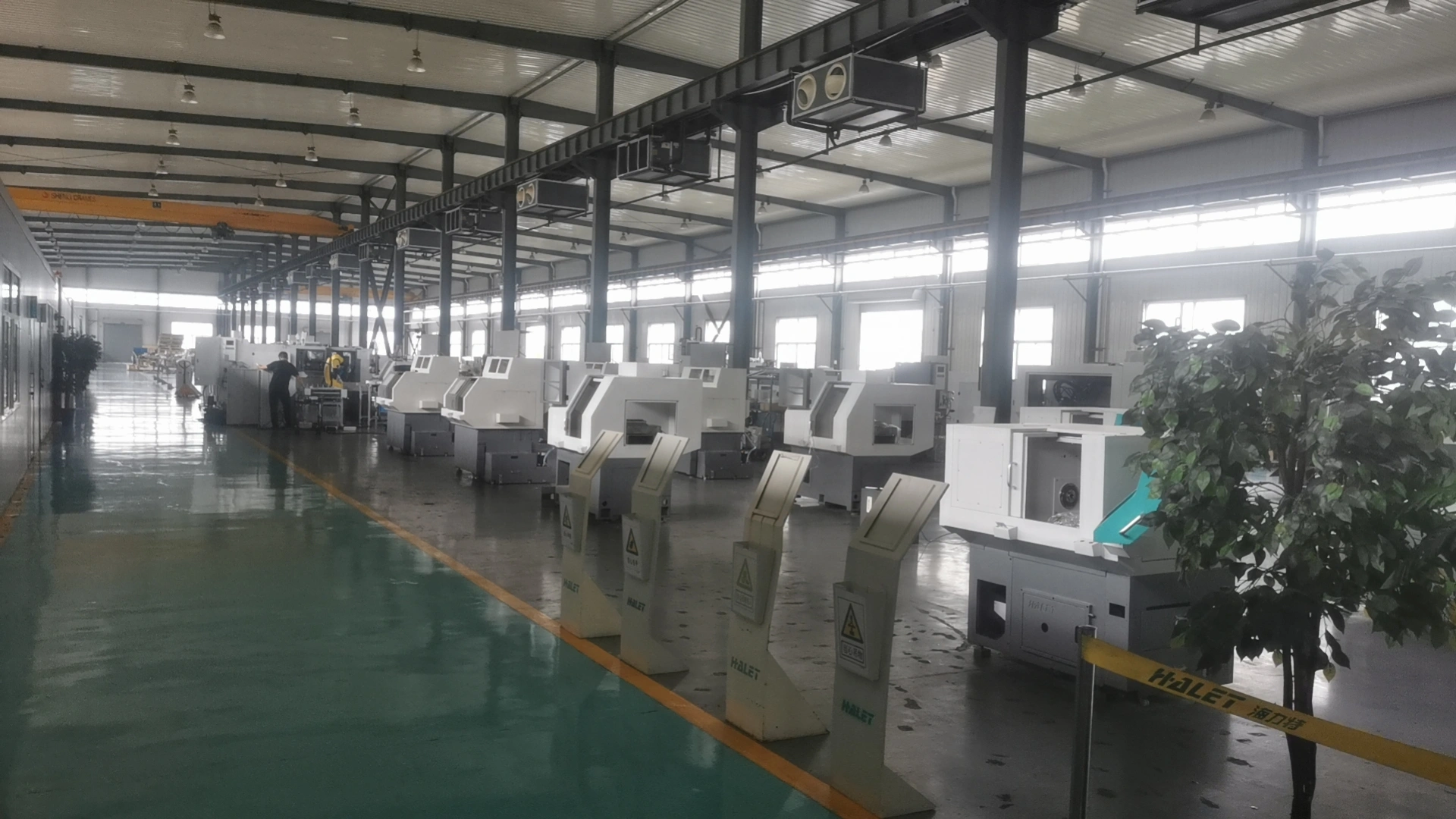
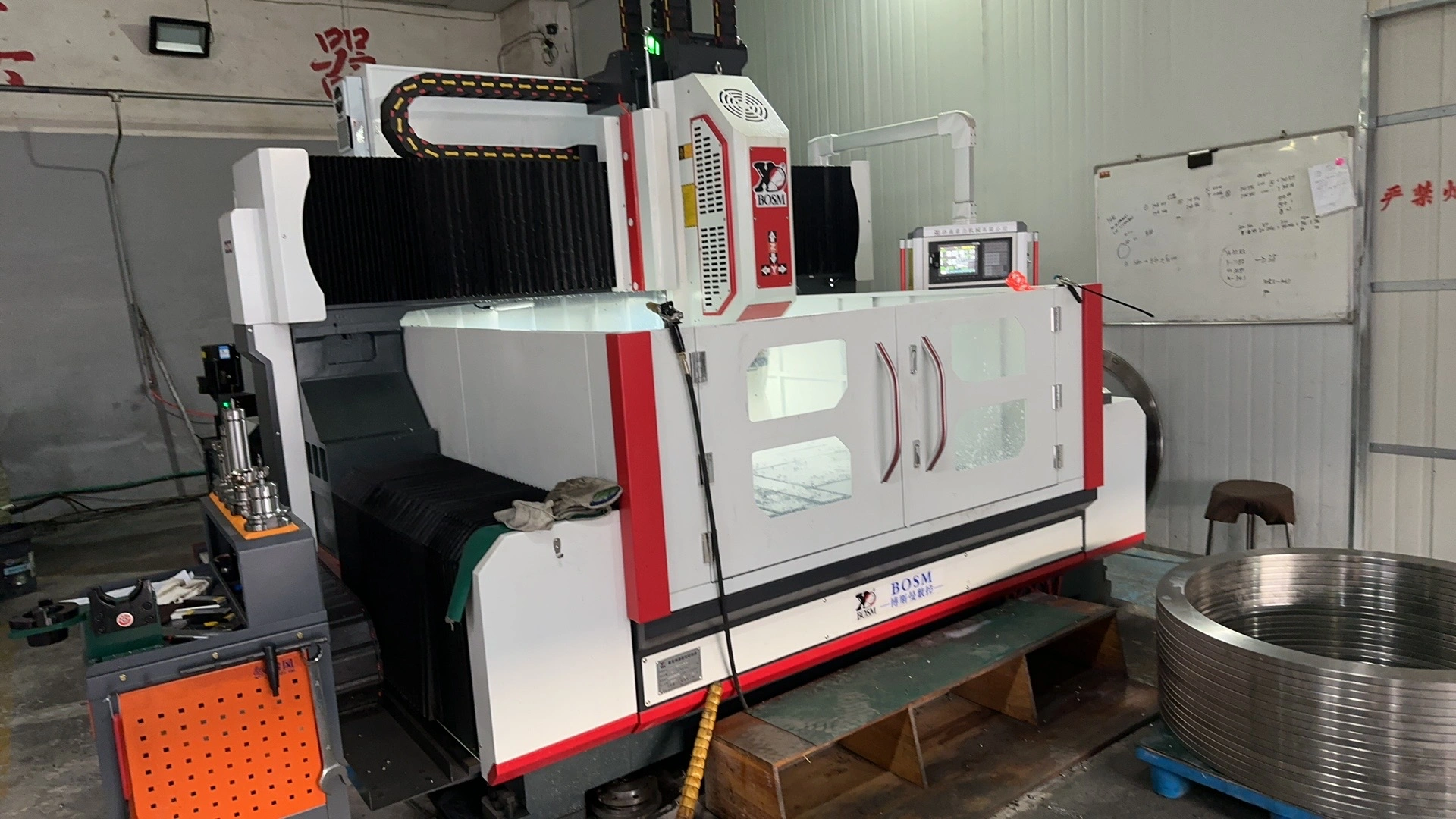
PSX’s production of High Purity Aluminum Vanadium Alloy Master Alloy uses controlled aluminothermic reduction, followed by crushing, screening, spectroscopic inspection and sealed packaging. Every furnace batch runs full composition testing before release. Our 5,000+ ㎡ manufacturing facility in Baoji Titanium Valley integrates modern crushing, screening and testing equipment. The factory layout separates high-purity grade production lines to avoid cross-contamination, which is critical for aerospace and medical orders. Our R&D team of material science engineers continuously optimizes reduction parameters to reduce gas impurity pickup and improve vanadium yield stability.
Benefits in Aerospace: Enhanced Fuel Efficiency and Safety
- Higher vanadium recovery rate reduces raw material waste and stabilizes alloy formula.
- Uniform ingot microstructure minimizes hidden defects that cause fatigue failure under cyclic flight loads.
- Low impurity high-purity grades meet aerospace traceability requirements for flight hardware.
- Batch-to-batch consistency simplifies long-term qualification for aerospace approved suppliers.
For aircraft OEMs, every kilogram of weight saved translates into measurable fuel savings and extended service life. Reliable Aluminum Vanadium Alloy Master Alloy directly supports repeatable production of high-strength, low-weight titanium structures.
Automotive Advantages: Improved Fuel Economy and Reduced Emissions
Internal combustion and electric vehicle programs both benefit from titanium lightweighting. Using Ti‑6Al‑4V components made with consistent Al‑V master alloy reduces vehicle mass, lowers rolling resistance and cuts energy consumption. Automotive foundries value the flexible particle sizing and low-dust flowability of PSX master alloy for automated feeding lines. Stable composition reduces production scrap, which is a major cost driver for small and medium automotive alloy batches.
Case Studies: Successful Implementations Across Both Industries
- Aerospace Tier‑1 Smelter: A North American Titanium Ingot producer switched to PSX AlV55 and achieved stable vanadium recovery above 92%, reducing rework of TC4 ingots for landing gear blanks.
- Medical Titanium Manufacturer: A European medical alloy plant uses PSX low‑oxygen AlV65 to produce ASTM F136 Gr23 titanium alloy for orthopedic implants.
- Offshore Oil & Gas OEM: An oil equipment manufacturer uses Al‑V master alloy to produce corrosion-resistant titanium alloy pressure piping and Christmas tree components.
- High-Performance Automotive Supplier: A German automotive subcontractor runs PSX graded master alloy for titanium suspension parts for premium EV platforms.
Latest Industry Technical Trends for Aluminum Vanadium Master Alloy
Global titanium alloy smelters are shifting toward low‑oxygen, low‑nitrogen high-purity master alloy variants to support next-generation near‑net-shape titanium printing and powder metallurgy. Vacuum synthesis and inert atmosphere crushing processes are gradually replacing traditional open-air processing to control gas content. Buyers now ask suppliers to provide particle size distribution curves and traceable impurity trend reports alongside standard COA documents. The industry trend also pushes master alloy makers to align supply chains with ESG requirements, including lower energy consumption during aluminothermic reduction and clean waste recovery. As additive manufacturing of titanium gains traction, customized fine particle Al‑V master alloy pre-alloy feeds become a new development direction for leading non-ferrous metal manufacturers.
Five Key Concerns of Western Industrial Buyers for This Master Alloy
European and US industrial purchasing managers focus first on strict impurity control, especially oxygen, nitrogen and carbon, as these elements directly hurt fatigue performance for aerospace and medical titanium. Second priority is batch consistency and full spectroscopic traceability with formal material certificates for audit and qualification. Third is flexible particle customization matched to EB furnace, vacuum arc furnace and automated feeding systems. Fourth is stable lead time and secure long-term supply contracts, avoiding disruption of titanium alloy melting schedules. Fifth is supplier certification including ISO9001 and military quality standards, plus transparent third-party testing support for customer qualification audits. Price alone is rarely the top factor for high-grade master alloy buyers; unplanned scrap and failed qualification bring far larger losses than raw material cost differences.
New R&D and Application Developments
Recent R&D work targets tailored Aluminum Vanadium Alloy Master Alloy for β-titanium and high-temperature titanium alloy families, expanding beyond the traditional TC4 market. Research teams are testing modified Al‑V master alloys with minor controlled trace elements to simplify alloying sequences and reduce the total number of feed materials added in one vacuum heat. Another active direction is low-dust, free-flowing granular master alloy optimized for continuous feeding systems in modern titanium melting lines. Medical-grade master alloy control thresholds are tightening for implants, pushing suppliers to isolate dedicated high-purity production zones and implement single-batch dedicated tooling. R&D also links master alloy performance to titanium powder quality for additive manufacturing, opening a new supply segment for metal 3D printing factories. PSX’s internal engineering team participates in these material trials and offers custom R&D support for qualified long-term partners.
Product Usage and Maintenance Guidance
Correct Operation Tips
- Store high purity Al‑V master alloy in sealed, dry inert packaging to prevent oxygen absorption, especially fine crushed particles.
- Match particle size to your melting furnace type; fine powder grades are not recommended for conventional vacuum arc furnace feeding unless dust control is installed.
- Follow your alloy formula sheet precisely for AlV55 or AlV65 addition weight; avoid over-addition to prevent aluminum composition drift.
- Add the master alloy at the specified melting stage of your titanium vacuum cycle for maximum vanadium recovery.
Daily Maintenance & Inventory Control
- Keep warehouse humidity low; avoid long-term exposure to open air for high-end aerospace and medical grades.
- Separate AlV55 and AlV65 inventory with clear labeling to prevent grade mixing.
- Retain COA certificates for each batch and link batch numbers to your titanium ingot production records for traceability.
Industry Standard Overview & Quality Specifications
High purity Aluminum Vanadium Alloy Master Alloy used for titanium alloy production follows widely accepted aerospace and metallurgical master alloy specifications. ASTM standards for titanium alloys such as ASTM B348, ASTM F136 define the final impurity limits for Gr5 and Gr23 titanium, which cascade backward to strict impurity limits for Al‑V master alloy feedstock. Military and aerospace buyers often apply GJB, AMS and ISO9001 quality management requirements. PSX holds ISO9001 and GJB9001C‑2017 certification, so our master alloy and Titanium Flange, Titanium Bar and Titanium Tube production follow audited quality control systems. All batches are tested by full spectrum analysis before shipment, and material certificates are provided for every furnace lot.
PSX Factory Strength, R&D Team & Innovation Achievements
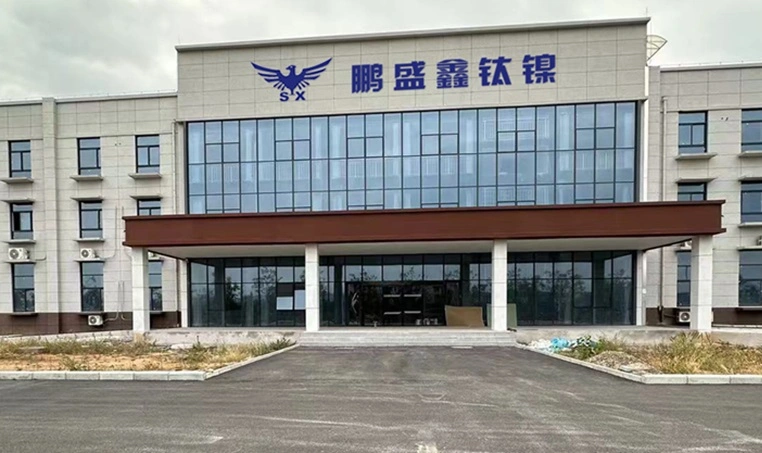
Baoji Pengshengxin Non-Ferrous Metal Co., Ltd (PSX brand) was founded in 2008 inside Baoji High‑Tech Titanium Valley. Our facility covers over 5,000 square meters, with CNC machining centers, sawing, milling, wire-cutting and precision testing equipment. Our technical team includes more than 10 professional material engineers and multiple senior PhD technical specialists focused on non‑ferrous alloy formulation and smelting process optimization. We hold stable innovation output in custom master alloy, Titanium Forging and precision machined titanium parts. We support small-batch R&D trial orders and mass serial production for global OEMs, distributors and end manufacturers. Our export sales cover Europe, North America, Asia and Africa, with dedicated multilingual technical support for material selection and qualification documentation.
Future Prospects: Expanding Applications Beyond Aerospace and Automotive
Adoption of Aluminum Vanadium Alloy Master Alloy will keep growing in offshore deep‑sea equipment, rail transit lightweight components and specialty high-temperature alloy manufacturing. Medical titanium implant demand will continue pushing the market for ultra-low-impurity Al‑V master alloy. As titanium additive manufacturing scales, customized master alloy feed materials will become a high-growth segment. PSX plans to expand high-purity master alloy production capacity and develop new tailored grades to match evolving titanium powder and near-net-shape manufacturing requirements.
FAQ
Q: How do I choose between AlV55 and AlV65?
A: AlV55 has moderate vanadium content and is the universal first choice for most TC4 titanium alloy manufacturers. AlV65 features higher vanadium concentration. It is selected when your formula requires a high vanadium ratio and you want to reduce the total master alloy mass added per heat; it is widely used for high-end β titanium alloys.
Q: Are vanadium-aluminum alloys susceptible to oxidation?
A: Finished bulk pieces form a thin passivated surface layer, so short-term normal storage is safe. Fine crushed particles and powder fractions absorb oxygen faster. High-purity aerospace and medical grades must be stored in sealed containers and consumed promptly after opening.
Q: Can PSX customize particle size for my furnace?
A: Yes. We can adjust particle specifications for vacuum arc furnaces, electron beam furnaces and chill bed furnaces, with low-dust flowability optimized for automated batching systems.
Conclusion: The Alloy’s Impact on Industry Standards
Aluminum Vanadium Alloy Master Alloy is not just an auxiliary raw material; it is a foundational enabler for modern titanium alloy manufacturing. Aerospace and automotive lightweighting trends keep lifting the bar for purity, stability and traceability of this master alloy. Choosing a reliable supplier like PSX means consistent vanadium recovery, controlled impurities, complete documentation and stable long-term supply for your titanium melting line. Whether you produce titanium ingots, titanium forgings, precision CNC titanium parts or titanium flanges, the quality of your Al‑V master alloy directly shapes your final product performance and production profitability.
References
1. Wikipedia contributors. Titanium alloy, 2025, Wikimedia Foundation.
2. Reddr, M. “Master Alloy Selection for Vacuum Ti Alloy Melting”, Metallurgy Engineering Forum, 2025, Industrial Material Technical Forum.
3. Quora Material Science Group. “Why Al‑V Master Alloy Is Used for TC4 Production”, 2025, Quora.
4. AMS Technical Committee. “Trace Impurity Control for Aerospace Titanium Master Alloys”, 2024, Aerospace Material Specification Working Paper.
Connect with PSX
Visit our social pages:
Facebook: PSX Facebook Profile
YouTube: PSX YouTube Channel
Instagram: PSX Instagram
Baoji Pengshengxin Non-Ferrous Metal Co., Ltd | PSX Brand


