Home> Industry News> How to Properly Install a Titanium Eccentric Weld Neck Flange

How to Properly Install a Titanium Eccentric Weld Neck Flange

2026,11,17
PSX Baoji Pengshengxin Logo

How to Properly Install a Titanium Eccentric Weld Neck Flange

Titanium Eccentric Weld Neck Flange

For procurement managers, plant fitters, and EPC engineers working with corrosive process piping, improper installation of a Titanium Eccentric Weld Neck Flange can erase all its built-in advantages. Even premium Titanium Flange made from certified Titanium Material and finished by Titanium CNC Machining will leak, crack, or suffer embrittlement if welded or aligned incorrectly. Unlike standard concentric weld neck flanges, this integrally forged Titanium Forging part relies heavily on correct rotational orientation to deliver its self-draining, air-lock-free performance. PSX supplies these flanges alongside matching Titanium Tube and Titanium Bar for full corrosive piping packages for oil, chemical, desalination, and lithium brine projects.

Introduction to Titanium Eccentric Weld Neck Flanges

A Titanium Eccentric Weld Neck Flange is a single-piece component forged from titanium billet and precision machined, combining the butt-weld neck flange structure and an eccentric reducer into one unified body. Its long tapered neck spreads pipeline stress evenly, while the offset bore creates a flush bottom profile to stop liquid pooling and gas entrapment. This design is critical for sediment-laden fluids, brine, seawater, and acid-alkali media, eliminating the sludge buildup and cavitation failures common when engineers pair separate concentric flanges and reducers. Available in Gr1, Gr2, Gr5, Gr7 and Gr12 Titanium Alloy grades, it balances high specific strength, low weight, and excellent passivation-based corrosion resistance. At PSX, our 5,000+ square meter manufacturing facility in Baoji’s “Titanium Valley” produces these parts to ASME, DIN, GB and JIS specs. Our team of 10+ material engineers and PhD technical specialists controls forging heat cycles and CNC tolerances down to ±0.001mm for both standard and fully customized OEM eccentric designs.

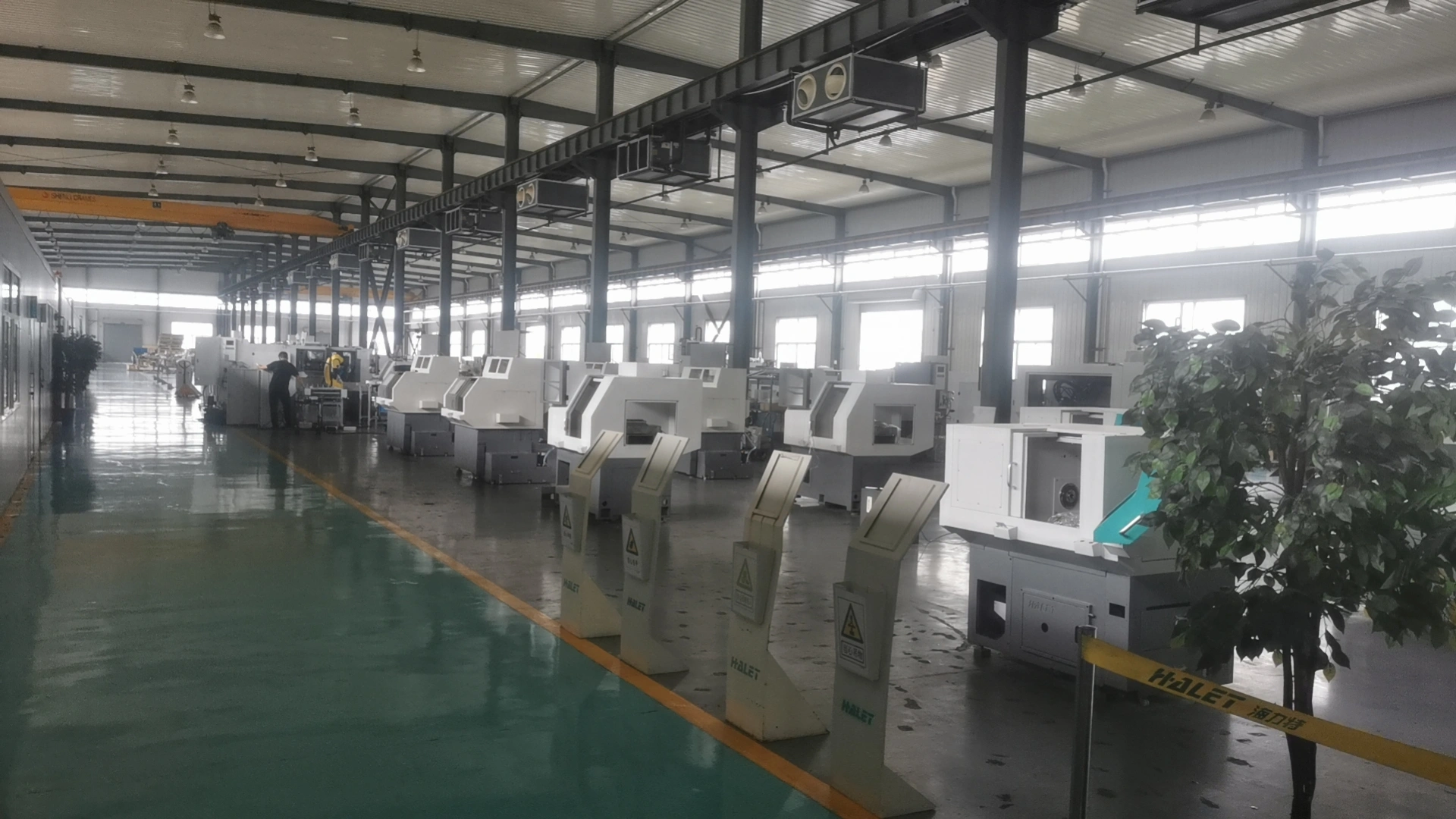
PSX Titanium Forging Production Workshop

Tools and Materials Required for Installation

Titanium installation cannot use the same consumables and hand tools as carbon steel or stainless steel piping. Contamination from ferrous metals ruins titanium’s protective oxide film and causes galvanic corrosion. Prepare this checklist before starting:

  • Pure argon shielding gas, high-purity grade, with back-purge manifolds and flow regulators
  • GTAW / TIG welding machine calibrated for titanium; dedicated titanium filler wire matching the flange grade
  • Non-ferrous measuring tools: stainless steel or aluminum rulers, digital calipers, level gauge, protractor for eccentric orientation
  • Non-ferrous wire brushes, alumina sanding discs, lint-free wipes, isopropyl alcohol (99%+)
  • PTFE or compatible non-contaminating gaskets, titanium alloy fasteners matched to service rating
  • Protective sealing caps for unused flange faces; heat-resistant purge dams for inside the Titanium Tube
  • Pressure test pump, bubble test solution, PMI tester and surface roughness inspection tools

PSX can supply matched gaskets, bolts and welding guidance with every shipment of Titanium Flange for turnkey piping skid OEM customers.

Safety Precautions and Best Practices

Titanium welding carries unique fire and contamination risks that all fitters and supervisors must follow.

  • Always work in a clean, low-dust welding booth or covered site; keep carbon steel grinding, cutting and blasting operations physically separated from titanium work zones.
  • Never allow carbon steel clamps, chains, tools or lifting slings to make direct contact with finished titanium sealing surfaces or weld joints.
  • Maintain full inert gas coverage until the weld metal cools below 400°F / 204°C; hot titanium reacts rapidly with oxygen and nitrogen, creating brittle, cracked welds.
  • Use proper PPE: welding helmet, heat-resistant gloves, flame-resistant sleeves, and respirators for fume control.
  • Lock out / tag out pipeline pressure and isolate process media before cutting or fitting any flange on live piping circuits.

Many installation failures reported by chemical and offshore teams stem from skipped purge protection and iron contamination, not weld technique itself.

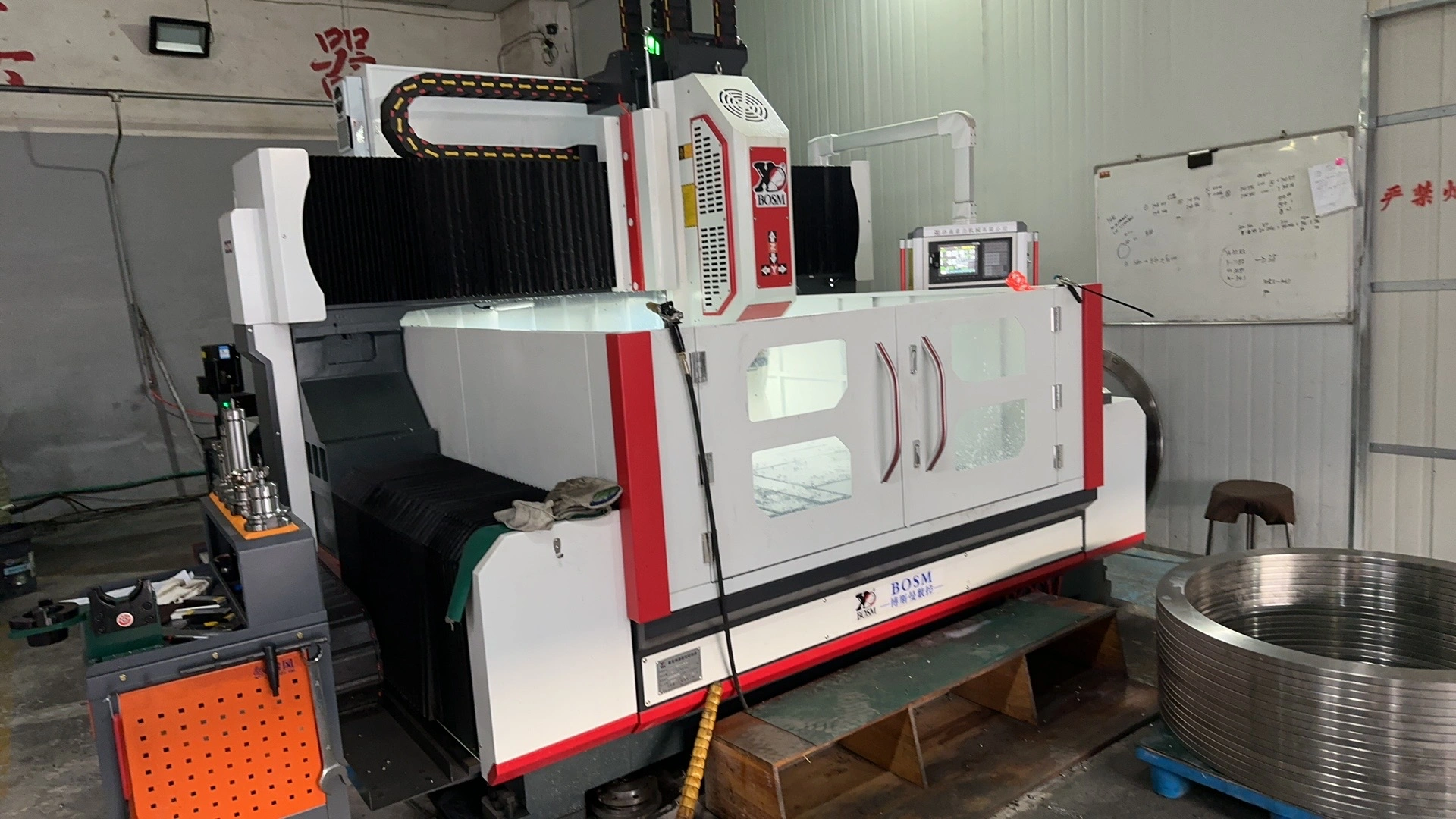
PSX Precision CNC Machining Equipment

Preparing the Pipe and Flange Surfaces

Surface preparation directly controls weld quality and sealing integrity for your Titanium Eccentric Weld Neck Flange.

  1. Inspect the butt-weld groove of the flange and the pipe end for scratches, nicks, oxidation, oil, grease or marking ink; reject any damaged sealing face.
  2. Machine or square the pipe end to match the flange groove geometry; maintain the correct root gap specified by the WPS for titanium GTAW.
  3. Clean both mating weld surfaces and sealing faces with 99% isopropyl alcohol and lint-free wipes. Do not use chlorinated cleaners.
  4. Lightly abrade only the weld zone with fresh alumina abrasive; avoid grinding the RF, MFM or RTJ sealing profile on the flange.
  5. Cover the finished sealing face with the factory protective cap until alignment and gasket installation, to prevent dust and metal particle contamination.

PSX’s quality team performs final dimensional and surface inspection on all Titanium CNC Machining flanges before export packing, but installers should repeat this check on arrival.

Aligning the Flange with the Pipe (Critical Eccentric Orientation Step)

This is the single biggest difference between fitting an eccentric weld neck flange and a standard concentric WN flange. The self-draining function only works if oriented correctly.

  1. Confirm process direction: for liquid service, align the flat, flush eccentric side down. This keeps the pipeline bottom continuous and eliminates low-point liquid traps.
  2. Use a level and protractor to lock the rotational position before tacking. Mark the flange OD for reference so welders do not rotate it during welding.
  3. Check pipe centerline alignment, root gap, and axial fit; avoid pulling or forcing misaligned joints, which creates residual stress after welding.
  4. Verify that the high side of the eccentric bore sits upward for liquid lines to prevent gas pocket formation.
  5. Double-check with your P&ID drawing: some slurry or special phase service may require alternate orientation, so follow EPC specifications.

Even a 15-degree misalignment can turn this premium fitting into a sediment trap and defeat its core design purpose.

Tack Welding the Flange in Place

  1. Set up internal back purge first. Install purge dams inside the Titanium Tube and start argon flow to displace all air from the root side.
  2. Use the matching titanium filler wire and GTAW parameters defined in your WPS. Keep heat input low to limit grain growth.
  3. Place 3–4 small, evenly spaced tack welds around the joint. Each tack must also be fully purged and shielded.
  4. After tacking, recheck the eccentric orientation, level and pipe alignment. If the flange has shifted, remove tacks by grinding (not oxy cutting), clean, and realign.
  5. Do not leave tacks exposed to air while cooling; maintain argon trailing shield coverage until tacks lose red heat.

Performing the Full Weld Process

  1. Maintain simultaneous internal back purge, torch primary shielding, and trailing shield coverage for the entire weld sequence.
  2. Run the root pass first, then fill and cap passes, keeping interpass temperature below the project specification for your Titanium Alloy grade.
  3. Watch weld color: silver or straw color is acceptable; blue, purple or gray indicates nitrogen/oxygen contamination and the weld must be removed and remade.
  4. Space passes to allow controlled cooling; avoid rapid quenching, which creates residual stress and cracking risk.
  5. Continue trailing shield flow until weld metal and heat-affected zone cool completely below 204°C.

Our PSX engineering team provides WPS guidance for our Titanium Forging products to overseas EPC and OEM customers on request.

Inspecting the Weld for Quality Assurance

Inspection follows both visual and non-destructive testing standards required for pressure piping.

  • VT Visual inspection: check for color contamination, undercut, porosity, incomplete penetration, and root oxidation.
  • li>PMI Positive Material Identification: verify weld and flange base metal grade before hydrotest, a top requirement for North American and European buyers. li>PT / Liquid Penetrant Testing: detect surface cracks common from contamination or excessive heat input. li>RT Radiographic Testing: mandatory for many offshore, chlor-alkali and oil gathering lines to confirm root integrity.

All PSX factory batches include MTR, heat treatment and dimensional reports to support site inspection packages.

Finalizing Installation and Testing for Leaks

  1. After weld acceptance, clean the flange sealing faces once more and install the correct gasket centered within the bolt circle.
  2. Tighten titanium fasteners in a star pattern, incrementally, to evenly compress the gasket and avoid flange face distortion.
  3. Complete pneumatic leak test first at low pressure, then perform hydrostatic test per ASME B31.3 or project piping code.
  4. Hold pressure for the required dwell time and inspect the weld root, flange face and gasket line for bubbles or pressure drop.
  5. Record test results, photos and inspection forms for the asset’s piping documentation package.
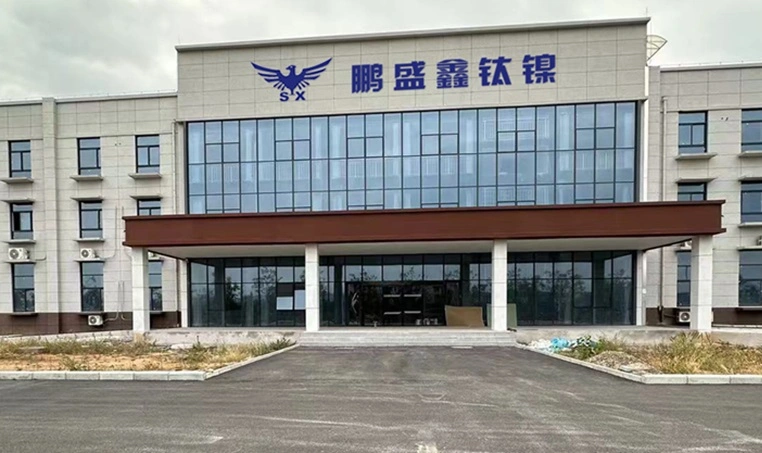
PSX Company Front Office

Maintenance Tips for Longevity of Installation

Correct installation is only half the job; planned maintenance preserves your Titanium Eccentric Weld Neck Flange service life for decades.

  • Keep flange joints clean; flush sediment-heavy lines per schedule to reduce under-deposit corrosion risk, even with titanium’s passivation layer.
  • Avoid striking or prying sealing faces during shutdowns; use non-ferrous tools when breaking joints.
  • Replace gaskets during every disassembly; never reuse compressed gaskets on high-pressure corrosive service.
  • Recheck bolt torque after thermal cycling or startup, as relaxation can create slow leaks in high-temperature piping.
  • Inspect RTJ ring grooves for fine scratches before reassembly; minor damage is a frequent hidden leak source.
  • Store spare Titanium Flange indoors with face caps away from carbon steel stock and salt fog.

Latest Industry Technical Trends

Global process piping industry trends are tightening installation controls for titanium eccentric weld neck flanges, especially for modular skids, desalination and lithium brine export projects. Many EPCs now require digital orientation marking on forged flanges at the factory to eliminate fit-up rotation errors in the field. WPS standards for GTAW titanium are moving toward tighter interpass temperature limits and low-residual-stress welding sequences to reduce HAZ sensitization. Automated orbital TIG is gaining adoption for high-volume Titanium Tube and flange joints, delivering consistent purge coverage and repeatable weld quality versus manual welding. End-users increasingly demand full serial traceability from raw Titanium Material ingot through forging, CNC machining and shipment, so every flange can be linked to MTR and inspection records. As chloride-rich brine projects expand, installers are also adopting portable on-site Raman and PMI tools to catch grade substitution or contaminated welds before hydrotest, lowering costly rework on offshore assets.

Top 5 Concerns for Western Industrial Procurement Buyers

Procurement managers from the US, EU and Oceania focus heavily on installation readiness when sourcing Titanium Eccentric Weld Neck Flange and other Titanium Flange products. First, they require clear factory guidance on proper eccentric orientation, because misalignment in the field creates expensive rework and project delays. Second, they verify that suppliers provide matching grade filler wire recommendations and valid WPS references for titanium GTAW welding, as many local contractors lack qualified titanium welders. Third, full material traceability and third-party PMI acceptance is non-negotiable for pressure boundary components. Fourth, buyers want suppliers to supply consistent sealing surface finishes (RF / MFM / RTJ) that match their gasket specifications, avoiding compatibility surprises at fit-out. Fifth, reliable technical support during installation and commissioning matters more than low unit pricing, since a failed titanium weld can shut down a chemical or desalination plant for weeks. Most buyers prioritize suppliers with deep titanium forging and machining experience rather than general flange traders.

New R&D and Application Development Updates

Current R&D in titanium forged piping components is focused on simplifying safe field installation while improving fatigue and corrosion performance. New low-distortion hot forging workflows reduce inherent residual stress in Titanium Forging blanks, lowering the chance of post-weld distortion and cracking when installers apply thermal cycles. Combined CFD and FEA simulation is used to refine eccentric transition profiles during design, while also generating standardized fit-up reference drawings for field crews. New surface treatment research targets RTJ sealing grooves: controlled ultra-fine finishing reduces micro-notch sites that can develop crevice corrosion under gaskets in stagnant brine. Orbital welding fixture kits pre-designed for eccentric flange geometry are emerging for modular OEM skid builders, removing human error from alignment and purge setup. Application growth is strongest in mobile modular desalination units, salt lake lithium brine gathering pipelines, zero-liquid-discharge wastewater systems, and compact offshore produced-water packages. At PSX, our R&D team continuously updates machining and forging recipes from these findings to deliver custom eccentric flanges with clear installation documentation for global OEM, distributor and EPC partners.

Industry Standard科普: Quality & Safety Specifications for Installation

Installers and procurement teams should reference these core codes before releasing work orders or beginning field fitting:

  • ASME B16.5: Dimensions, pressure classes, flange face styles (RF, MFM, RTJ) and tolerances for pipe flanges.
  • ASTM B381: Standard covering titanium forgings for pressure piping and vessels, governing our Titanium Forging process.
  • ASTM B348: Raw titanium bar and billet specification used as feedstock for flange forging.
  • ASME B31.3: Process piping code covering welding, examination, testing and leak-test requirements for chemical and hydrocarbon service.
  • ISO9001 & GJB9001C-2017: PSX’s certified quality system covering forging, CNC machining, heat treatment and NDT control.

All PSX export packages include MTR, heat treatment certificates, dimensional reports and NDT records; third-party witness inspection can be scheduled for high-risk offshore and chlor-alkali projects.

FAQ: Installation Questions from Engineers & Procurement Managers

  1. Q: What happens if I install the Titanium Eccentric Weld Neck Flange upside down?
    A: It creates a low-point sediment trap and high-point gas pocket, causing cavitation, sludge buildup and localized corrosion. The flange loses its primary design benefit.
  2. Q: Can I weld titanium flanges with standard stainless steel TIG consumables?
    A: No. Mismatched filler metal and iron contamination will create brittle welds and galvanic corrosion; always use grade-matched Titanium Wire and dedicated clean tooling.
  3. Q: Do I need back purge for every titanium butt weld?
    A: Yes. Without internal argon purge, the weld root oxidizes and becomes brittle, which will fail hydrotest and long-term corrosion service.
  4. Q: Can PSX supply pre-marked orientation lines on custom eccentric flanges?
    A: Yes. Our Titanium CNC Machining workshop can etch alignment indicators to help your fitters set the flush side down quickly.
  5. Q: What documentation comes with my flange shipment for installation inspectors?
    A: Material test reports, heat treatment docs, dimensional inspection sheets, NDT records and grade certificates; PMI witness inspection is available upon request.
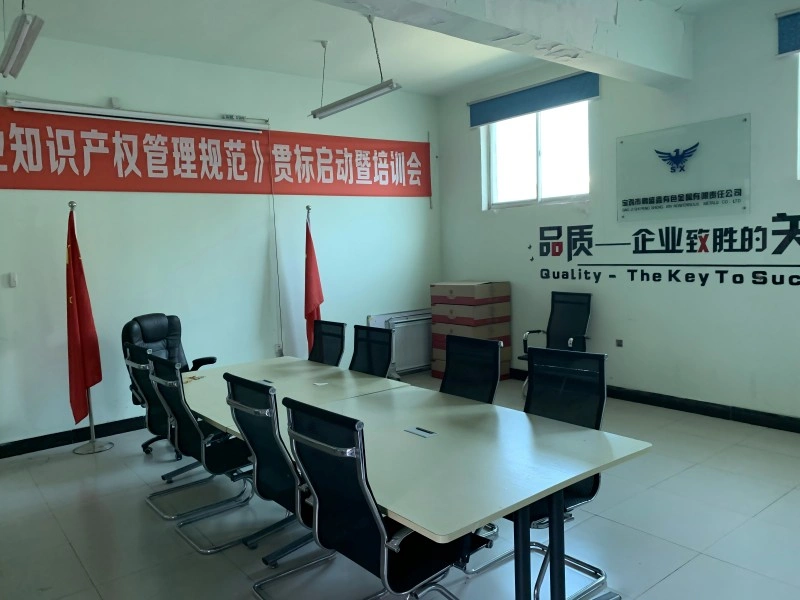
PSX Corporate Culture

Conclusion

The Titanium Eccentric Weld Neck Flange delivers outstanding corrosion resistance, stress distribution and self-draining flow only when installed correctly. The most critical steps are proper rotational orientation, strict contamination control, full argon purge during GTAW welding, and code-compliant pressure testing. As a manufacturer founded in 2008 in Baoji’s Titanium Valley, PSX supplies Titanium Forging, Titanium Flange, Titanium CNC Machining components, Titanium Tube and Titanium Bar for export. Our ISO9001 and GJB9001C certified facility supports custom eccentric geometry, OEM skid packages, technical installation guidance and complete material traceability. Reach out to our engineering team for grade selection, drawing review, WPS guidance and formal quotation.

  • Facebook: https://www.facebook.com/profile.php?id=61576318027076&sk=about
  • YouTube: https://studio.youtube.com/channel/UC8ifqgXKhZq2Ctxri13JavA/editing/profile
  • Instagram: https://www.instagram.com/alen_guan/

References

Carter, M. (2025). Field Installation Mistakes on Titanium Eccentric Weld Neck Flanges, Reddit r/PipingEngineering Technical Discussion.
Hale, T. (2024). GTAW Purge Requirements for Titanium Process Piping Joints, Quora Process Engineering Community.
ASME. (2023). ASME B31.3 Process Piping Code, Welding & Examination Chapter, ASME Standards Publication.
Wikipedia Contributors. (2025). Titanium Welding: Oxidation, Purge and Contamination Controls, Wikipedia.


Blog Outline & Summary

Outline:

  1. Introduction to Titanium Eccentric Weld Neck Flanges
  2. Tools and Materials Required for Installation
  3. Safety Precautions and Best Practices
  4. Preparing the Pipe and Flange Surfaces
  5. Aligning the Flange with the Pipe (Critical Eccentric Orientation Step)
  6. Tack Welding the Flange in Place
  7. Performing the Full Weld Process
  8. Inspecting the Weld for Quality Assurance
  9. Finalizing Installation and Testing for Leaks
  10. Maintenance Tips for Longevity of Installation
  11. Latest Industry Technical Trends
  12. Top 5 Concerns for Western Industrial Procurement Buyers
  13. New R&D and Application Development Updates
  14. Industry Standard Knowledge: Quality & Safety Specifications for Installation
  15. FAQ Section
  16. Conclusion

Summary: This SEO guide targets plant engineers, fitters, EPC contractors and international procurement buyers, teaching step-by-step correct installation of Titanium Eccentric Weld Neck Flange. It highlights the unique requirement of eccentric rotational alignment, strict anti-contamination rules and full argon back purge for titanium GTAW welding. The article covers tooling, safety, surface prep, tacking, welding, NDT inspection, hydrotesting and ongoing maintenance. It also covers industry trends, overseas buyer priorities, R&D updates and relevant ASME/ASTM piping standards. PSX is positioned as a certified manufacturer of Titanium Forging, Titanium Flange and Titanium CNC Machining products with OEM customization and export-ready technical support.


High CTR Title Options (~60 characters)

  1. How to Properly Install a Titanium Eccentric Weld Neck Flange for Corrosive Piping
  2. Titanium Eccentric Weld Neck Flange Installation: Step-by-Step Field Guide
  3. Installing Titanium Eccentric Weld Neck Flanges: Orientation, Welding & Testing Tips
Contact Us

Author:

Mr. Aaron Shen

Phone/WhatsApp:

+86 13709173123

Popular Products
You may also like
Related Categories

Email to this supplier

Subject:
Email:
Message:

Your message must be between 20-8000 characters

  • Send Inquiry

Copyright © 2026 Baoji Pengshengxin Nonferrous Metals Co., Ltd. All rights reserved. Privacy Policy

We will contact you immediately

Fill in more information so that we can get in touch with you faster

Privacy statement: Your privacy is very important to Us. Our company promises not to disclose your personal information to any external company with out your explicit permission.


Send