


Send Message
Privacy statement: Your privacy is very important to Us. Our company promises not to disclose your personal information to any external company with out your explicit permission.



For plant engineers, EPC designers and procurement managers supporting oil, chemical, OEM manufacturing and distribution businesses, persistent piping pain points — air lock, sediment buildup, cavitation and premature corrosion leaks — eat into uptime and inflate maintenance budgets. That’s why experienced process engineers are increasingly recommending the Titanium Eccentric Weld Neck Flange . Unlike conventional assemblies that pair separate reducers and standard concentric flanges, this all-in-one forged component merges an eccentric reducer and weld neck flange in a single monolithic titanium body. Built from premium Titanium Material and finished via high-precision Titanium CNC Machining, this specialized Titanium Flange combines optimized fluid geometry with the outstanding corrosion resistance of Titanium Alloy . PSX, a Baoji-based manufacturer of Titanium Forging , delivers these flanges alongside matched Titanium Tube and Titanium Bar for complete corrosive piping packages.
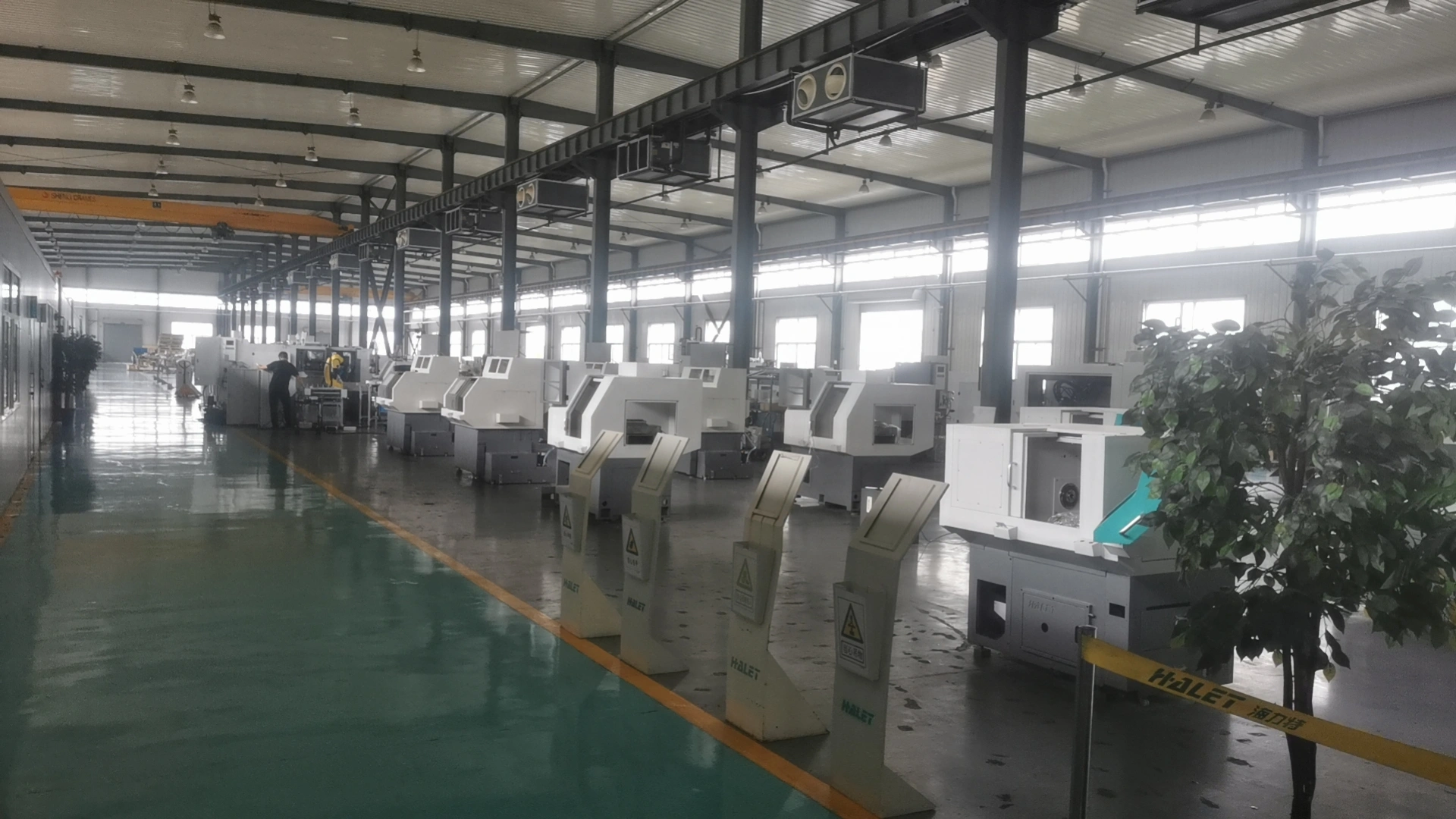
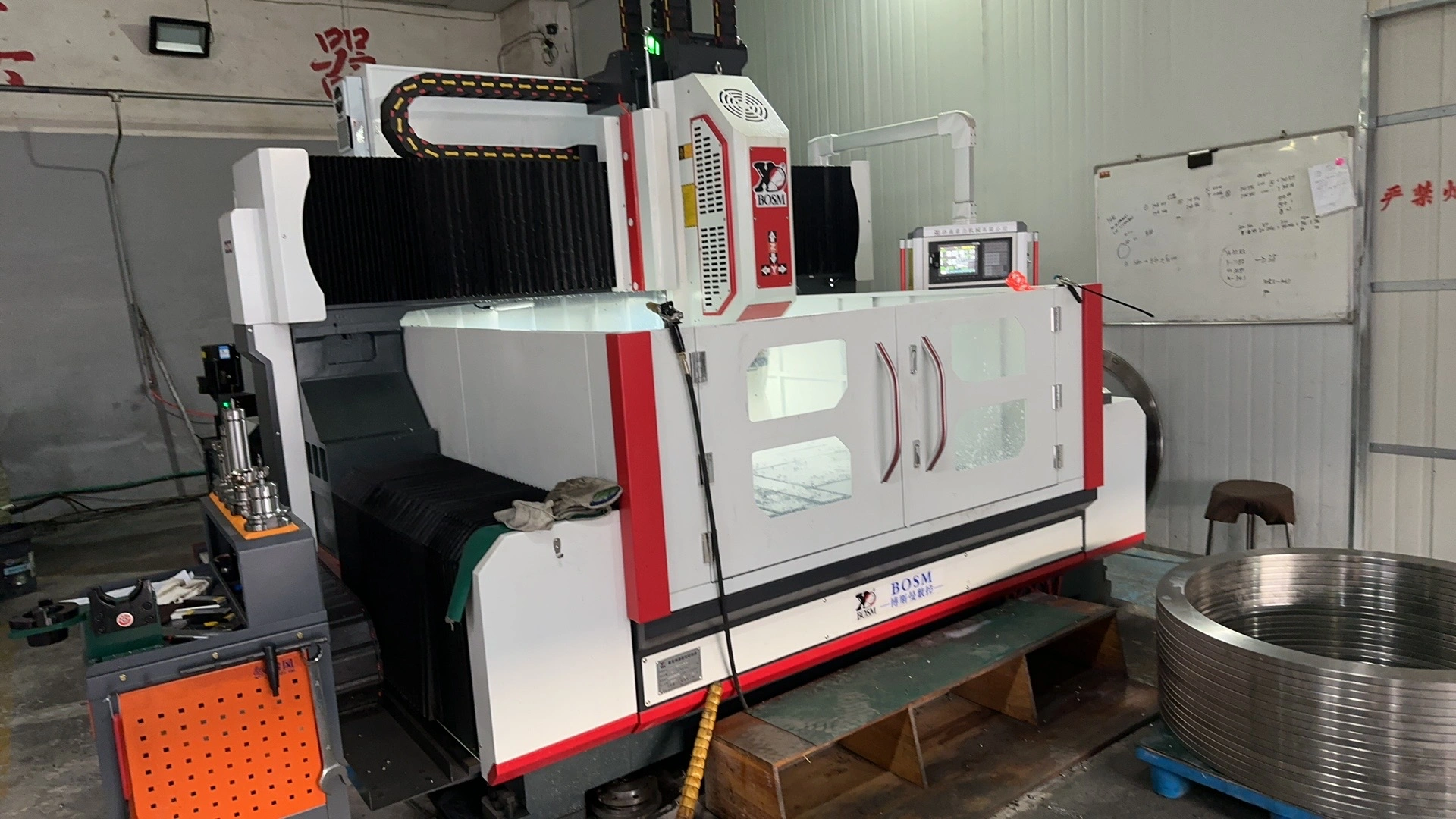
A Titanium Eccentric Weld Neck Flange is integrally forged from titanium billet and precision machined to combine butt-weld flange strength and eccentric reducer flow geometry. Its long tapered neck redistributes pipeline stress, while the offset bore creates a flush bottom profile that eliminates low-point liquid pooling and high-point gas trapping. This directly solves the most common failure triggers found in standard concentric flange setups: sludge accumulation, air pockets, cavitation damage and localized corrosion perforation. It retains the high-pressure sealing reliability of weld neck flanges while adding the self-draining flow benefits of an eccentric reducer. At PSX, our 5,000+ square meter production facility in Baoji’s “Titanium Valley” produces these flanges in Gr1, Gr2, Gr5, Gr7 and Gr12 grades. Our team of more than 10 material engineers and PhD technical specialists refine forging cycles and CNC routines, achieving tight tolerances down to ±0.001mm for custom non-standard drawings and OEM projects.
Most industrial projects still rely on three traditional flange configurations, all with known weak points for sediment-laden, chloride-rich or continuous liquid service:
Engineers frequently report that these traditional designs pass pressure tests during commissioning but trigger unplanned outages months or years later. Air lock damages pumps, trapped sludge creates under-deposit corrosion, and multiple weld seams multiply leak risk. These hidden operational costs are the primary reason many engineering teams now specify integrated Titanium Eccentric Weld Neck Flange solutions for corrosive liquid piping.
Titanium and Titanium Alloy deliver the material performance that makes this flange design so compelling. When exposed to oxygen, titanium spontaneously develops a stable passivation film that resists chloride ions, moist chlorine gas, organic acids and saturated brine. Grade selection is tailored to process conditions: Gr2 for general seawater and brine, Gr7 palladium-titanium for crevice corrosion risk under gaskets, Gr12 for reducing acid media, and high-strength Gr5 for wear and load-critical service. Titanium is roughly 40% lighter than stainless steel, reducing static load on pipe racks, modular skids and offshore structures. It is chemically inert with zero heavy metal leaching, which qualifies it for high-purity fine chemical, pharmaceutical and food-grade clean piping. PSX’s R&D team continuously tests Titanium Forging parameters to preserve this native passive oxide layer and avoid surface contamination during hot forming and machining.
Integral forging is the foundation of its superior service life. The tapered conical neck gradually dissipates weld stress across the flange body and eliminates sharp stress concentration points that cause cracking in plate and slip-on flanges under thermal cycling and pressure pulsing. Since there is no secondary weld between reducer and flange, there are no extra heat-affected zones vulnerable to sediment corrosion. PSX project feedback from seawater desalination, offshore produced water and salt-lake lithium brine lines shows that properly specified Titanium Eccentric Weld Neck Flange assemblies deliver multi-decade service life. By contrast, stainless steel or field-fabricated reducer-flange packages often require replacement within just a few operating years. Longer service intervals cut spare-part inventory, reduce inspection workload and lower the frequency of costly plant shutdowns for process operators and EPC contractors.
Corrosion remains the leading cause of flange failure in marine, chemical and oilfield piping. Carbon steel and standard 316L stainless flanges pit aggressively in chloride-heavy brine, sour water and moist chlorine environments. Even duplex stainless steel struggles with crevice corrosion beneath gaskets when stagnant fluid and sludge collect in low pockets. The Titanium Eccentric Weld Neck Flange solves this problem with dual protection: the eccentric self-draining geometry removes stagnant dead zones where corrosion initiates, while the titanium passivation film blocks electrochemical attack. This combined advantage cannot be duplicated by standard concentric stainless flanges. PSX supplies full material test reports and PMI verification for every batch of Titanium Flange, so engineering and procurement teams can confirm grade compliance before installation.
High-pressure piping with alternating loads demands consistent sealing and fatigue resistance. Our Titanium Eccentric Weld Neck Flange can be precision machined with RF raised face, MFM male-female or RJ ring-joint sealing profiles, controlled surface roughness and accurately machined butt-weld grooves. When welded correctly with full argon shielding, joints form clean, inclusion-free welds that maintain zero leakage under sustained high pressure and repeated pressure spikes. Slip-on and plate flanges have limited load capacity; their non-forged construction makes them prone to gasket extrusion and face distortion during temperature swings. For oil & gas gathering lines, chlor-alkali reactor loops and heat exchanger circuits, the monolithic forged design delivers stable sealing that consistently outperforms traditional flange alternatives.
Many procurement teams initially hesitate because titanium flanges carry a higher upfront unit price than carbon steel or stainless alternatives. Total cost of ownership tells a different story. Traditional two-piece assemblies require extra welding labor, NDT inspection for two weld joints, pump repairs triggered by cavitation, corrosion monitoring and premature component replacement. The one-piece Titanium Eccentric Weld Neck Flange reduces weld count, eliminates sediment trap risk, extends service intervals and cuts ongoing maintenance labor. For continuous-process facilities, a single unplanned shutdown can erase years of savings from cheaper carbon steel components. PSX supports bulk project pricing, prototype sampling and custom OEM sizing to fit both capital expenditure and operational budgets for small manufacturers, large process plants and distribution partners.
Titanium welding and handling require discipline, but the unified eccentric weld neck flange simplifies fit-up compared with separate reducer plus flange packages. Follow this step-by-step guidance for reliable long-term performance:
Engineers choose this flange for five high-demand industrial sectors where corrosion and flow stability are non-negotiable:
PSX supplies these flanges alongside matched Titanium CNC Machining components for skid builders and OEMs that require identical material grade, traceability and quality control across a complete piping package.
Global process piping design is steadily moving away from field-fabricated reducer-flange combinations toward monolithic eccentric weld neck titanium flanges. CFD flow simulation and FEA stress modeling are now integrated into front-end engineering to refine eccentric transition curves, reducing turbulence and sediment capture instead of relying solely on legacy dimensional tables. Digital serial traceability from raw Titanium Material ingot to finished flange is becoming mandatory for offshore, desalination and energy projects, enabling full batch audit for third-party inspectors. Forging specialists are optimizing low-distortion hot forging schedules to cut residual stress without damaging titanium’s native passive oxide film. Demand for specialty grades Gr7 and Gr12 is rising as large-scale brine and desalination projects expand across North America, Europe and the Middle East, pushing traditional stainless and carbon steel flange designs out of critical liquid service.
Procurement managers in Europe, the United States and Oceania evaluate Titanium Eccentric Weld Neck Flange and other Titanium Flange products with five non-negotiable priorities. First, fully traceable material certification and positive material identification records to eliminate grade substitution risk. Second, written confirmation of integral forging; most end-users reject cast or welded fabricated assemblies for pressure boundary piping. Third, firm lead-time commitments for custom eccentric geometry, as non-standard machined fittings frequently delay skid delivery timelines. Fourth, accessible engineering support covering titanium welding procedures, purge requirements and compatible gasket selection. Fifth, reliable after-sales support and spare part availability, given the extremely high cost of scheduled and emergency plant shutdowns. Unit price is rarely the deciding factor for these critical corrosion-resistant fittings; lifecycle reliability and complete, audit-ready documentation carry far greater weight in final supplier selection.
Current R&D for titanium forged piping hardware focuses on balancing corrosion resistance, fatigue performance and manufacturability. Optimized low-deformation hot forging workflows control residual stress without breaking down titanium’s natural passive oxide layer, lowering stress corrosion cracking risk in chloride-saturated service. Combined CFD and FEA simulation drastically cuts prototype iteration cycles, allowing engineers to refine eccentric transition profiles and map cavitation zones before any Titanium CNC Machining begins. New ultra-fine surface finishing processes for RTJ ring-joint grooves reduce micro-notch sensitivity under repeated thermal cycling and high-pressure pulsing. New application growth is concentrated in modular desalination skids, salt lake lithium extraction brine pipelines, industrial wastewater zero-liquid-discharge systems and compact mobile process units. PSX continuously updates its machining parameters and forging recipes based on this research, delivering custom eccentric flanges and matched fittings for global OEM, EPC and distribution partners.
International buyers need clear standard alignment and full traceability for pressure-containing titanium flanges. Confirm these key specifications while preparing RFQs and technical reviews:
Standard export packages include MTR, heat treatment certificates, dimensional inspection reports and NDT records; third-party witness PMI inspection can be arranged on request for offshore and high-risk projects.
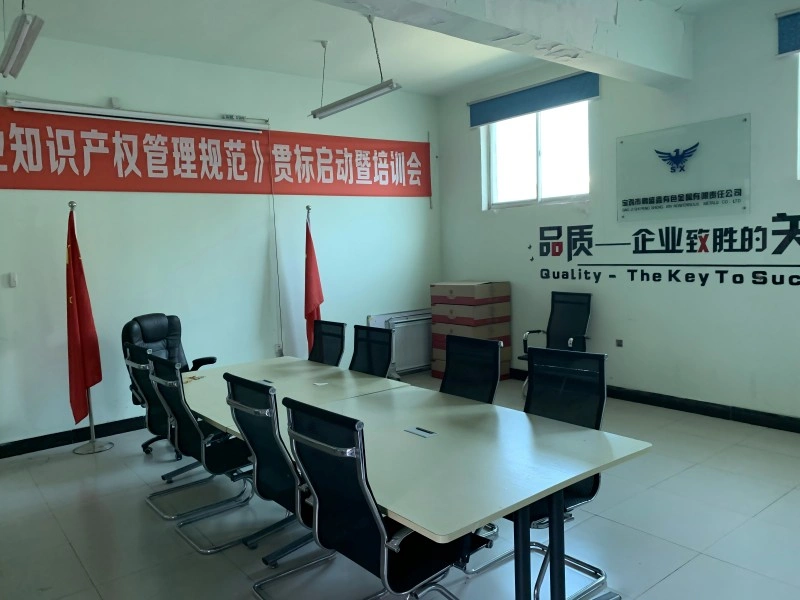
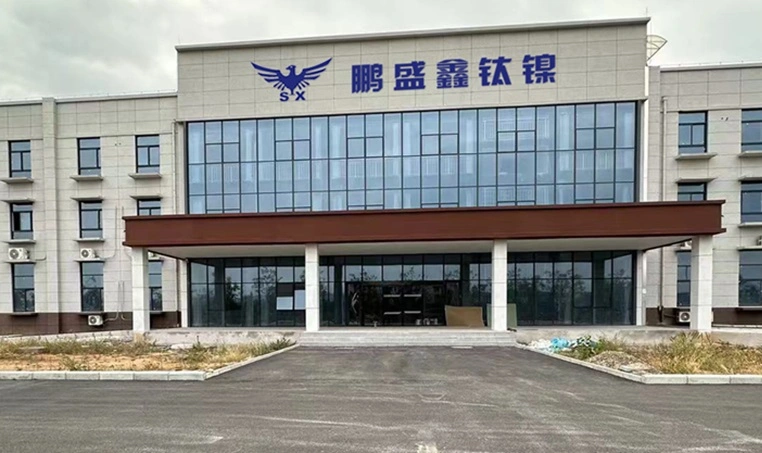
As asset owners prioritize longer service life, reduced maintenance spend and robust corrosion mitigation, the Titanium Eccentric Weld Neck Flange will continue displacing traditional multi-piece reducer-flange, slip-on and plate flange setups for liquid, sediment-bearing and chloride-laden piping. Its combined strengths of monolithic forging, self-draining flow geometry and titanium corrosion performance solve chronic piping failure modes that stainless steel and carbon steel cannot address economically. Founded in 2008 in Baoji’s Titanium Valley, PSX manufactures Titanium Forging, Titanium Flange, Titanium CNC Machining components, Titanium Tube and Titanium Bar for global industrial clients. Our certified production system supports export, prototype sampling and full OEM customization. Reach out to our engineering team for grade consultation, drawing review and formal quotation.
Reed, J. (2025). Integral Forged Piping Components for Slurry and Brine Service, Reddit r/ChemicalEngineering Technical Discussion Thread.
Bennett, R. (2024). Weld Neck Flange Selection Guide for Corrosive Liquid Pipelines, Quora Process Engineering Community.
ASME. (2023). ASME B16.5 Pipe Flanges and Flanged Fittings Standard, ASME Standards Publication.
Wikipedia Contributors. (2025). Titanium: Corrosion Resistance and Industrial Titanium Alloy Grades, Wikipedia.
Outline:
Summary: This SEO blog targets plant engineers, procurement managers, OEMs and distributors and explains why process engineers recommend Titanium Eccentric Weld Neck Flange over traditional flange assemblies. It contrasts the all-in-one forged design against separate reducer-flange, slip-on and stainless plate flanges, highlighting its anti-airlock self-draining geometry, excellent titanium corrosion resistance, optimized stress distribution and reliable high-pressure sealing. Additional dedicated sections cover industry technical trends, overseas buyer procurement priorities, installation and maintenance guidance and international flange standards. PSX is positioned as an ISO and GJB certified manufacturer of Titanium Forging, Titanium Flange and Titanium CNC Machining products with full OEM custom and export capability.

September 15, 2025

November 18, 2026
Email to this supplier
September 15, 2025
November 18, 2026
Privacy statement: Your privacy is very important to Us. Our company promises not to disclose your personal information to any external company with out your explicit permission.
Fill in more information so that we can get in touch with you faster
Privacy statement: Your privacy is very important to Us. Our company promises not to disclose your personal information to any external company with out your explicit permission.