

Send Message
Privacy statement: Your privacy is very important to Us. Our company promises not to disclose your personal information to any external company with out your explicit permission.


For global medical OEM factories, implant manufacturers and industrial procurement managers, selecting reliable implant-grade raw stock determines final implant safety and production yield. ASTM F136 Grade 23 Titanium Bar (Ti-6Al-4V ELI, UNS R56401) is a forged medical-grade Titanium Alloy purpose-built for permanent surgical implants. Compared with regular Grade 5 Titanium Rod, Grade 23 tightens control over interstitial impurities to deliver premium fracture toughness, stable fatigue resistance and superior biocompatibility. At PSX Baoji Pengshengxin Non-Ferrous Metal Co., Ltd, we produce this critical raw material alongside our full-range Titanium Material, Titanium Forging, Titanium CNC Machining, Titanium Tube and Titanium Flange product lines for worldwide medical-device supply chains.
Ti-6Al-4V (Grade 5 titanium alloy) gained wide industrial adoption from the 1960s for aerospace and mechanical parts. Yet standard Grade 5 showed higher interstitial element content which created cold-brittleness risks for long-term human-body implantation. In response, material researchers developed the Extra-Low-Interstitial variant Ti-6Al-4V ELI, later standardized under ASTM F136 as Grade 23. This specification was formalized to serve orthopedic, dental and cranio-maxillofacial permanent-implant markets. Today it is the global gold-standard bar stock for high-end medical OEM mass-production and custom R&D prototyping.
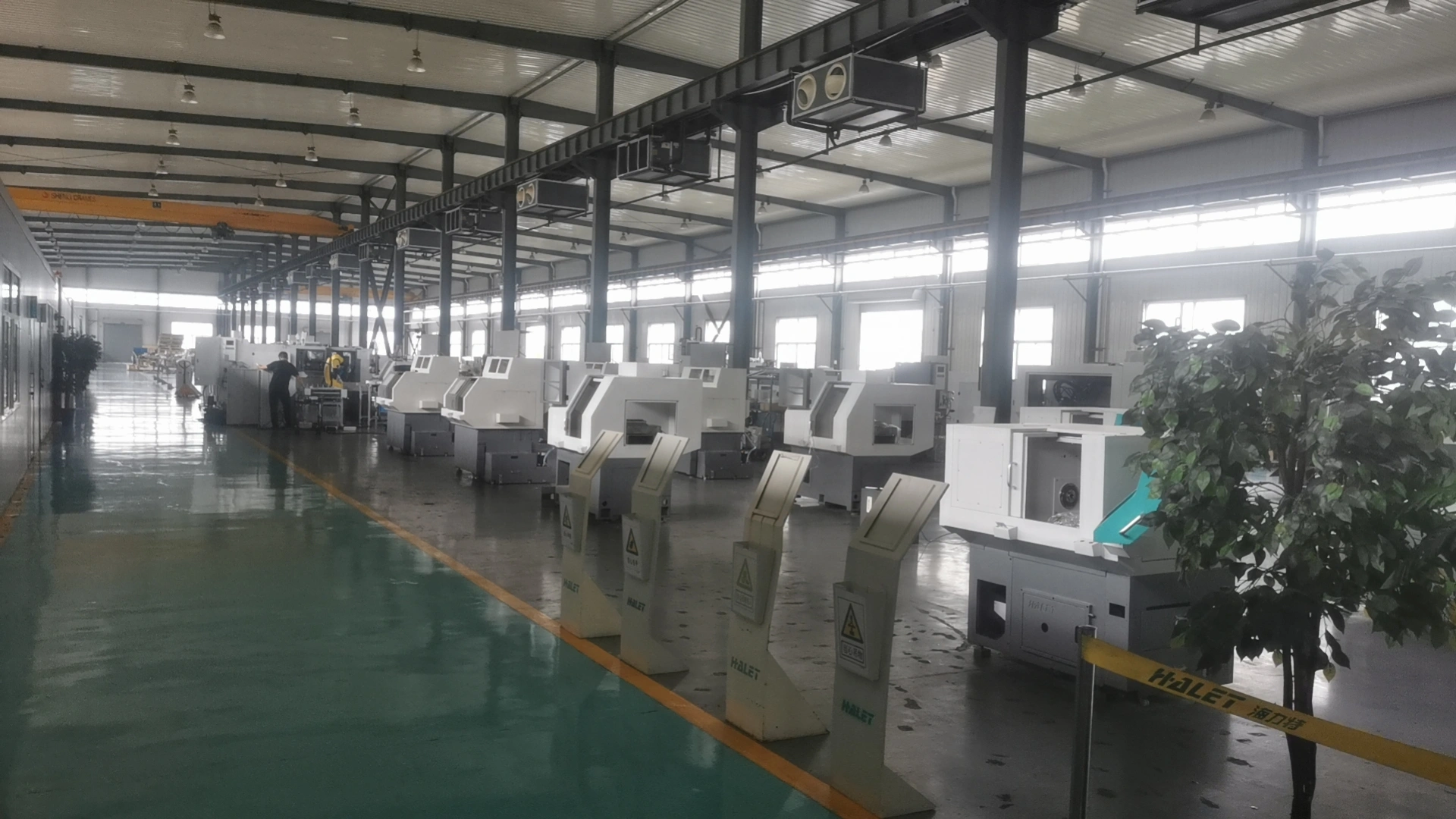
High-load human implant components endure millions of cycles of repeated stress. ASTM F136 Grade 23 Titanium Bar delivers markedly improved fracture toughness and outstanding resistance to fatigue-crack propagation compared to Grade 5 titanium alloy. This critical property helps prevent sudden component fracture under long-term cyclic loads, which is non-negotiable for intramedullary nails, spinal connecting rods and joint prosthesis fasteners. Every batch from PSX undergoes independent ultrasonic (UT) and magnetic-particle (MT) inspection to detect shrinkage cavities, inclusions and hidden internal cracks before shipment.
Grade 23 titanium alloy features high specific strength while maintaining low density. Its elastic modulus closely matches human bone tissue, greatly reducing the harmful stress-shielding effect and supporting natural osseointegration—a key advantage over stainless-steel implant blanks.
Beyond implant applications, Titanium Alloy including Grade 23 demonstrates excellent corrosion resistance against saline, acidic and alkaline media. Although ASTM F136 Grade 23 is optimized for medical-implant use, its corrosion-resistant properties also draw interest from chemical and petroleum industry procurement teams for special-component R&D reference. For general industrial corrosion-resistant projects, PSX provides alternative grades via our Titanium Tube and Titanium Flange catalogs.
Thanks to stable machinability, forged Grade 23 bar stock supports turning, milling, deep-hole drilling and high-precision Titanium CNC Machining, matching the automated mass-production requirements of global medical OEM manufacturers.
Global medical titanium supply chains are shifting focus toward fully digital traceability systems for implant-grade bar stock. Many North American and European medical-device auditors now demand complete digital MTR archives rather than only paper-format certificates. Advanced forging-process optimization is helping reduce material segregation risk in small-diameter medical-grade bars. Meanwhile, hybrid processing workflows combining forged titanium bar pre-blanks with additive-manufacturing post-machining are gaining momentum for patient-specific custom-implant projects. Manufacturers are also tightening inline non-destructive-testing standards to reduce the risk of hidden defects escaping across raw-material batches.
Procurement managers from EU and US medical OEM factories prioritize five core evaluation points when sourcing ASTM F136 Grade 23 Titanium Bar. First, complete and valid documentation including material-test reports, UT/MT non-destructive-testing records and spectroscopic analysis to satisfy ISO 13485 audit requirements. Second, strict dimensional-tolerance control, especially for small-diameter polished bars used in dental-implant production. Third, verifiable factory qualifications such as ISO 9001 and relevant production-system certifications. Fourth, stable batch-to-batch metallurgical consistency to avoid production-line rejects during high-volume CNC machining. Fifth, supplier capability for small-batch R&D prototyping as well as scalable mass-order delivery with predictable lead times.
Recent R&D progress is expanding the application boundaries for Ti-6Al-4V ELI Grade 23 material. For custom patient-matched implants, OEM manufacturers are adopting forged Grade 23 bar as subtractive-machining blanks before final-shaping personalized anatomical implants, balancing mechanical reliability versus purely 3D-printed titanium parts. Universities and medical research institutes are increasing purchases of Grade 23 test-bar specimens for biomaterial and biomechanics animal-experiment projects. Another emerging direction applies ASTM F136 Grade 23 raw stock to high-vibration minimally invasive surgical-instrument core components, taking advantage of its superior anti-fatigue performance. Supply-chain stakeholders are also optimizing surface-treatment workflows for centerless-ground and precision-polished bar stock to reduce surface-defect rates in downstream implant-component production.
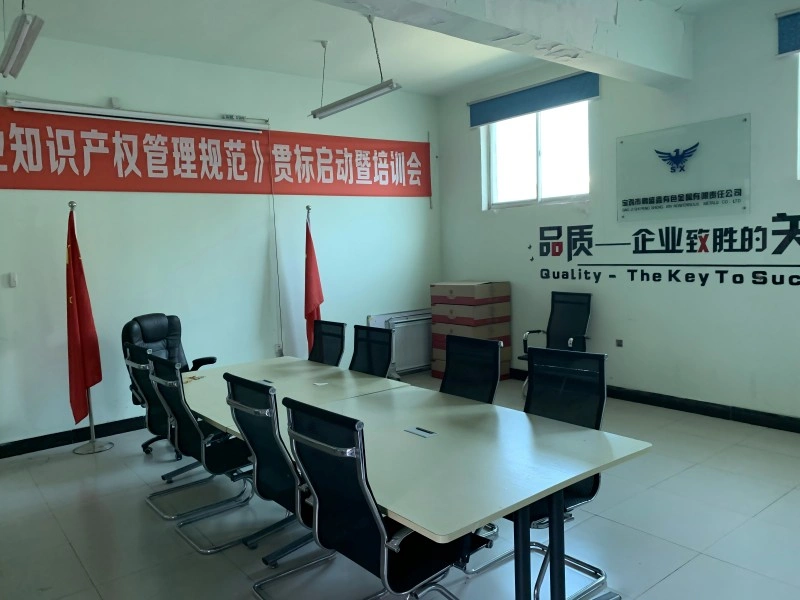
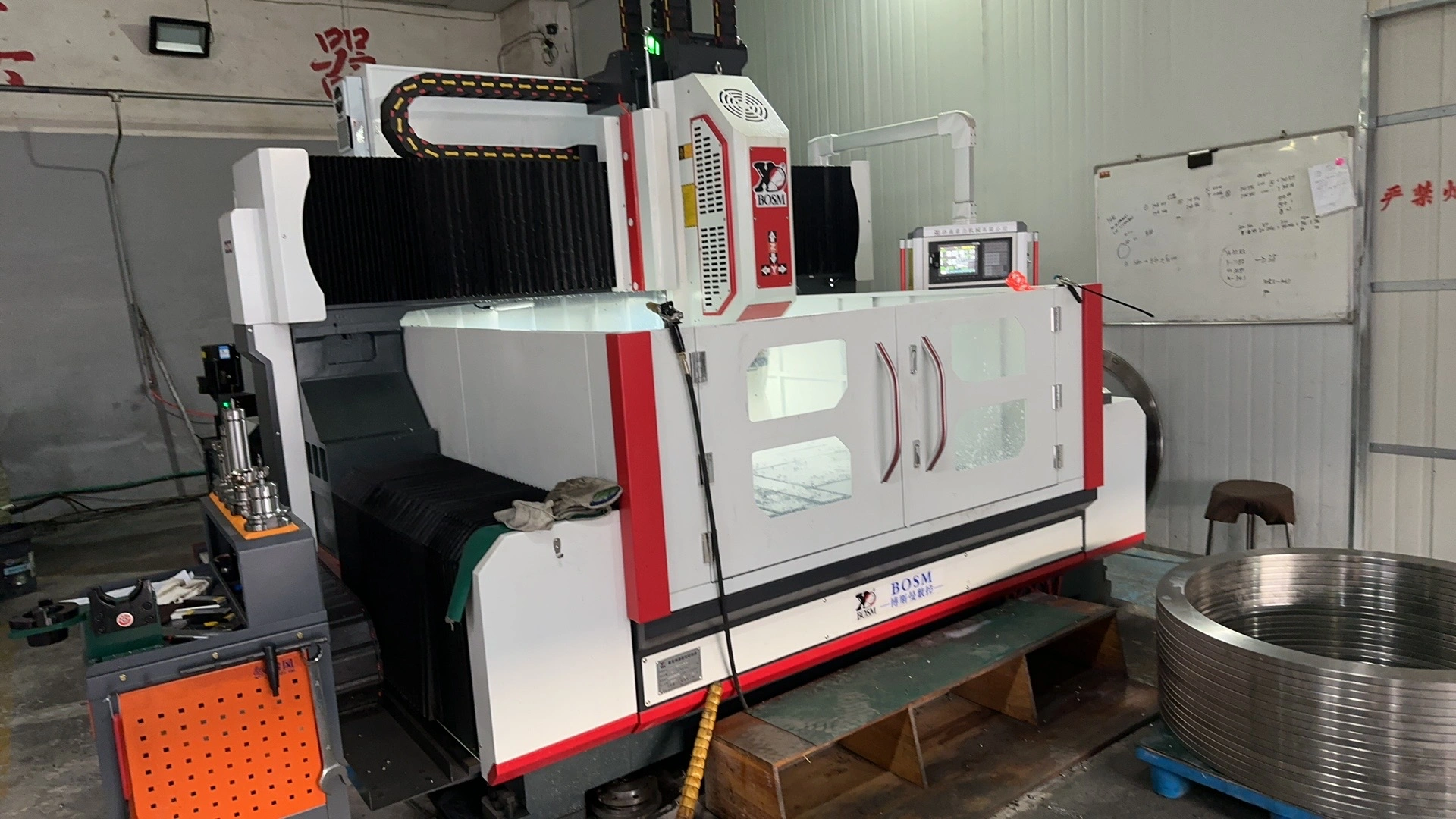
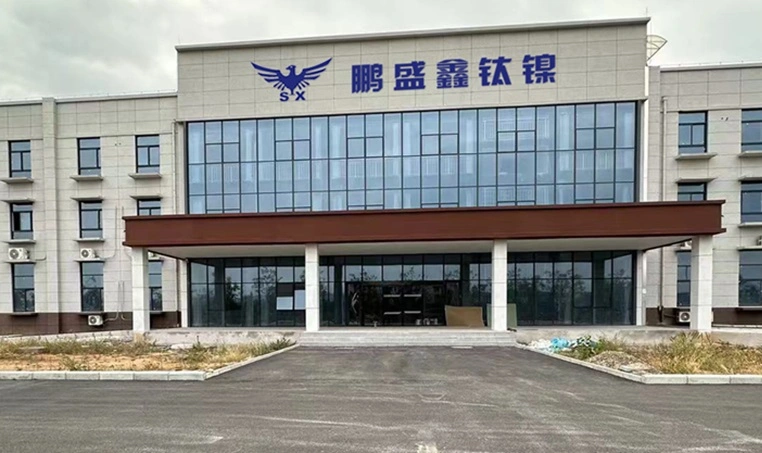
Baoji Pengshengxin Non-Ferrous Metal Co., Ltd (PSX Brand), founded in 2008, is located in Baoji, “China’s Titanium Valley”. Our factory covers more than 5,000 square meters with modern production workshops and imported advanced CNC machining centers, vertical milling equipment and non-destructive inspection devices. Our R&D team includes over 10 professional material-science engineers and experienced senior technicians. We hold ISO 9001 and GJB9001C-2017 certification. Our production capacity supports both small-batch medical R&D prototype orders and large-volume bulk manufacturing for Titanium Bar, Titanium Forging, Titanium CNC Machining and other titanium alloy product lines. We support diversified custom requirements: multiple surface finishes (hot-rolled, precision-turned, ground, polished), custom lengths, chamfering, peeling and centerless-grinding services for implant-grade bar stock.
Titanium alloy offers excellent recyclability. Scrap chips generated during Titanium CNC Machining of ASTM F136 Grade 23 Titanium Bar can be professionally recycled and re-smelted under strict impurity-control protocols. Using recyclable titanium raw materials helps medical-device manufacturers lower carbon impact across the product lifecycle, supporting ESG evaluation requirements from European and North American medical supply chains.
In the coming years, market demand for ASTM F136 Grade 23 titanium bar will continue to grow, driven by aging-population-related orthopedic-implant demand and the expansion of high-end dental-implant OEM manufacturing. Digital traceability, higher-precision small-diameter bar production and combined subtractive-additive hybrid manufacturing will become mainstream technical directions. More manufacturers will seek reliable one-stop suppliers covering raw-material bar, Titanium Forging and Titanium CNC Machining services rather than fragmented multi-vendor sourcing.
A1: Grade 23 tightens interstitial-element limits (especially oxygen ≤0.13%), delivering higher fracture toughness and lower cold-brittleness risk for permanent human-body implantation. Standard Grade 5 cannot replace Grade 23 for surgical-implant raw material.
A2: Yes. Every shipment includes the original manufacturer MTR, UT & MT non-destructive-testing report and spectroscopic-analysis report to support ISO 13485 medical supply chain audit requirements.
A3: We support multiple surface finishes, custom cutting lengths, chamfering, peeling and centerless-grinding services. Both small-batch R&D sample orders and large-volume OEM serial production can be accommodated.
A4: ASTM F136 Grade 23 forged bar can serve as reference material for subsequent powder-production processes used in 3D printing, while our finished bar stock itself is mainly intended for CNC subtractive-machining of implant components.
A5: Lead time depends on specification, quantity and order complexity. Please contact our multilingual sales team for a formal quotation and exact delivery schedule.
ASTM F136 Grade 23 Titanium Bar sets the benchmark raw material for modern permanent-implant manufacturing, combining outstanding strength-toughness, premium biocompatibility and excellent CNC-machining performance. As your trusted China-based titanium solution partner, PSX Baoji Pengshengxin Non-Ferrous Metal Co., Ltd delivers qualified implant-grade bar stock alongside our full portfolio of Titanium Alloy products. Whether you are a medical OEM factory, implant-device manufacturer, distributor or agent across Europe, North America or global markets, welcome to consult our team for material-sample testing, custom-specification evaluation and project quotation.
[1] Wikipedia contributors. “Titanium alloy Ti-6Al-4V ELI for biomedical implants”. Wikipedia, 2024-03-12. Retrieved from the Wikipedia open-access material library.
[2] Carter, M. “Critical specification pitfalls for medical-grade titanium bar procurement”. Reddit, r/Materials forum, 2024-05-28.
[3] Hale, J. “What buyers should verify before purchasing ASTM F136 titanium raw stock”. Quora, Materials Engineering Topic, 2024-06-17.
[4] ASTM International. ASTM F136-23: Standard Specification for Wrought Ti-6Al-4V ELI Titanium Alloy for Surgical Implant Applications. West Conshohocken, PA: ASTM International, 2023.

September 15, 2025

November 10, 2026

November 09, 2026
Email to this supplier
September 15, 2025
November 10, 2026
November 09, 2026
Privacy statement: Your privacy is very important to Us. Our company promises not to disclose your personal information to any external company with out your explicit permission.
Fill in more information so that we can get in touch with you faster
Privacy statement: Your privacy is very important to Us. Our company promises not to disclose your personal information to any external company with out your explicit permission.