


Send Message
Privacy statement: Your privacy is very important to Us. Our company promises not to disclose your personal information to any external company with out your explicit permission.



For procurement managers serving oil, chemical, offshore, fine chemical, OEM and distribution businesses, selecting the right Titanium Eccentric Weld Neck Flange directly impacts pipeline uptime, corrosion control, leakage risk and total lifecycle cost. Unlike standard concentric flanges, this integrated forged component combines an eccentric reducer and weld neck flange into one precision unit, solving common pain points such as gas locking, sludge buildup and localized corrosion in process piping. This guide breaks down six core selection criteria, industry standards, maintenance rules and supplier evaluation points to help you make qualified purchasing decisions.
All performance of a Titanium Eccentric Weld Neck Flange starts with titanium grade selection. Pure titanium and Titanium Alloy spontaneously form a stable passivation film when exposed to oxygen, delivering outstanding resistance to chloride ions, brine, moist chlorine and many organic acids. PSX supplies these flanges in Gr1, Gr2, Gr5, Gr7 and Gr12, each engineered for different corrosive environments.
Titanium is roughly 40% lighter than stainless steel. This lightweight advantage cuts structural load on offshore skids and subsea frames without sacrificing pressure rating. When paired with Titanium Tube and matching fittings, the whole piping circuit maintains consistent corrosion resistance and metallurgical compatibility.
Weld neck flanges transfer stress through the tapered neck to avoid sharp stress concentration, but eccentric geometry adds extra consideration for flow-induced vibration and cavitation. Procurement teams must confirm design pressure, operating temperature, thermal cycling and transient surge loads before specification.
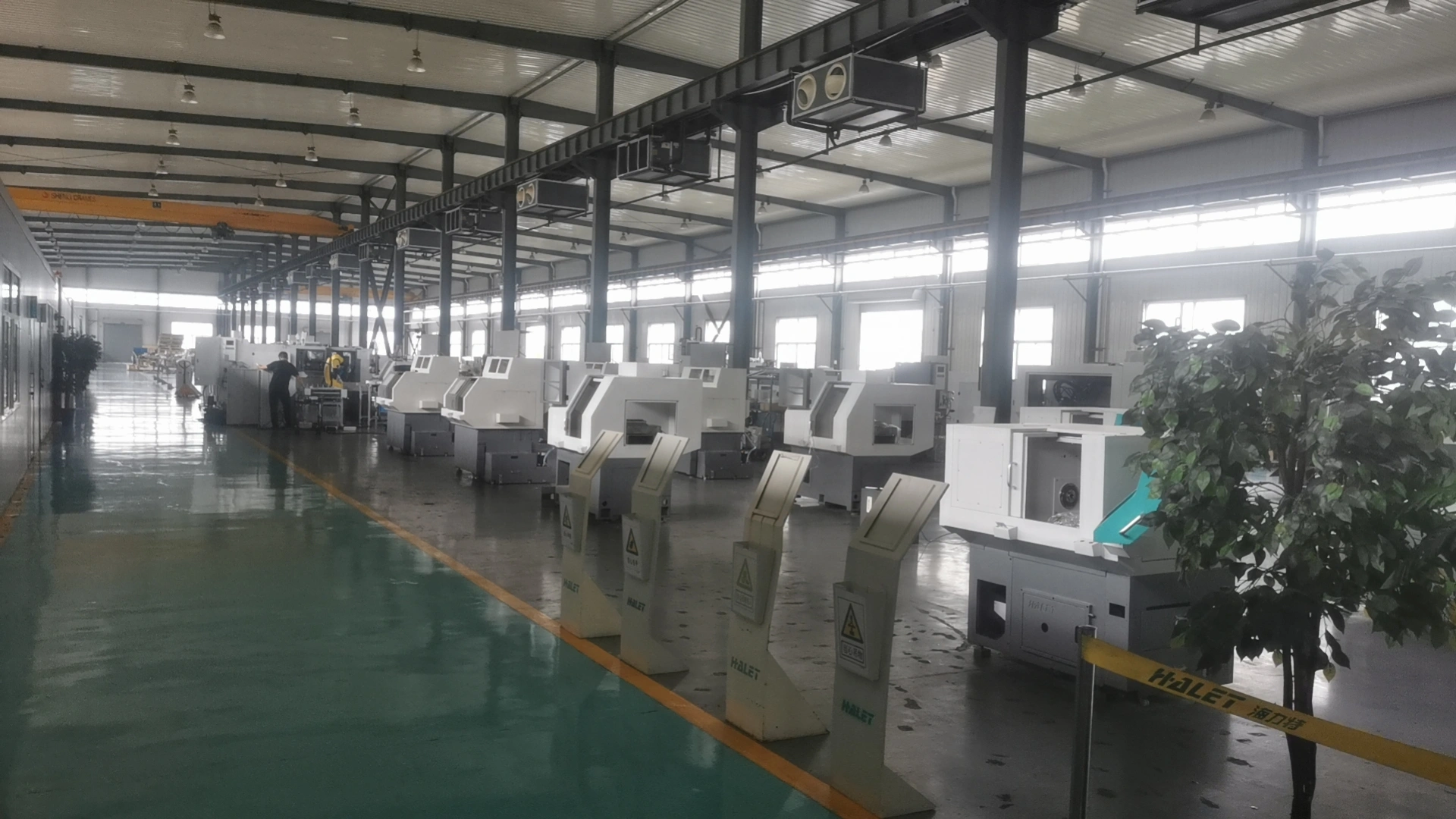
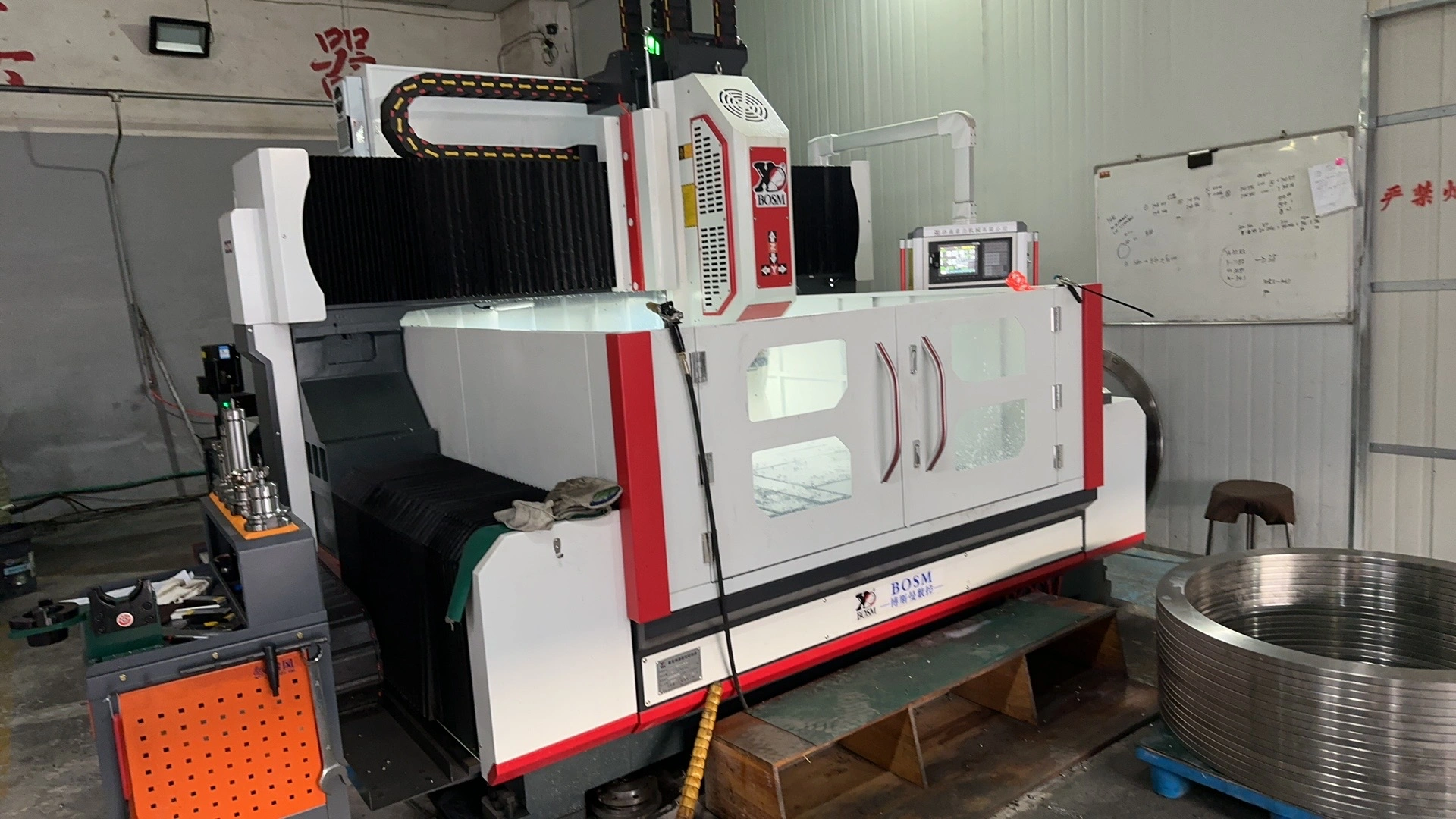
At PSX, our 5,000+ square meter production facility runs full-process Titanium CNC Machining and Titanium Forging lines, allowing us to validate pressure-related dimensional tolerances during pre-production sampling.
Corrosion failure is the top failure mode for alloy flanges in chlor-alkali, desalination and wastewater treatment. The eccentric flush-bottom design is specifically built for sediment-laden liquid flow, which prevents sludge from sitting under a concentric reducer and creating hidden corrosion hotspots.
Ask three questions before finalizing grade:
For high-purity fluid circuits, titanium’s non-leaching property avoids heavy metal contamination. This makes Titanium Eccentric Weld Neck Flange a clean alternative to many nickel alloys and coated carbon steel flanges. Our Titanium Flange product series includes both standard and lined configurations for cross-reference.
Non-standard eccentricity, special wall thickness and custom bore transitions are common for retrofit offshore and brownfield chemical projects. Standard ASME, DIN, GB and JIS sizes are stocked, but most eccentric weld neck flange orders require custom CNC programming.
North American and European buyers place heavy emphasis on traceable, auditable documentation for pressure boundary components. A compliant Titanium Eccentric Weld Neck Flange must align with applicable flange, forging and material standards.
Required deliverables for export orders include MTRs, heat treatment records, dimensional inspection sheets, dye penetrant test reports and third-party witness documentation if specified. Avoid suppliers who only supply visual photos without batch traceability.
Many general flange manufacturers can machine steel flanges but lack deep titanium forging and welding metallurgy knowledge. A qualified supplier should support design review, material grade recommendation, prototype sampling and after-delivery technical guidance.
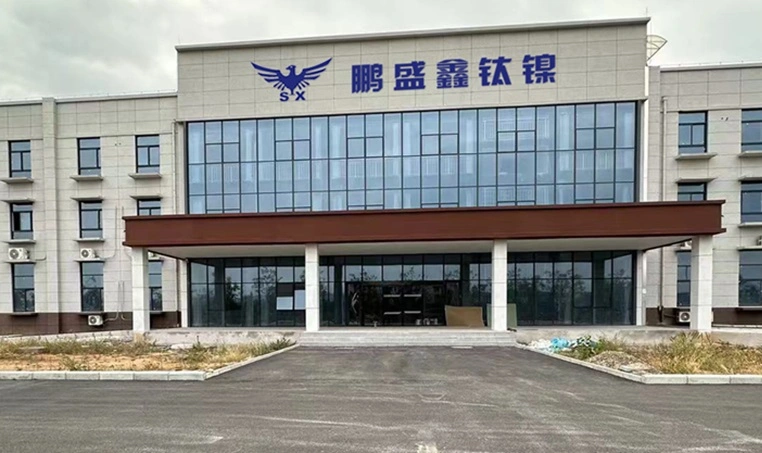
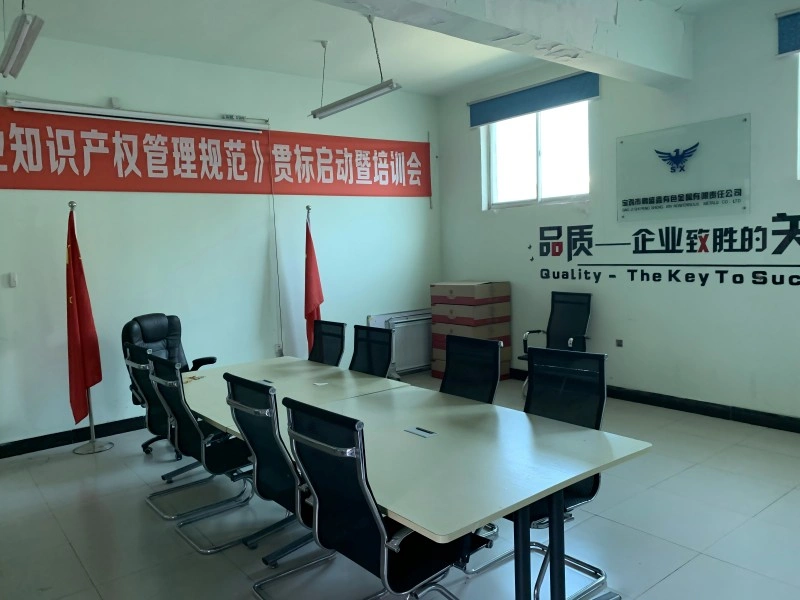
Baoji Pengshengxin Non-Ferrous Metal Co., Ltd. (PSX) was founded in 2008 in China’s Titanium Valley. Our team includes more than ten professional engineers and multiple PhD-level technical specialists focused on titanium alloy process optimization. Our factory is equipped with imported vertical milling centers, wire EDM, precision CNC lathes and radial drills, holding tight tolerances down to ±0.001 mm for custom Titanium Alloy components. We serve OEM manufacturers, chemical plant contractors, offshore platform operators and global distributors with one-stop titanium piping packages.
Global process piping industries are shifting away from multi-component reducer-plus-flange assemblies toward integrated forged parts like the Titanium Eccentric Weld Neck Flange. Fabricated two-piece assemblies introduce extra weld seams that become corrosion and fatigue weak points, especially in cyclic offshore and brine transport environments. Modern hot die forging and near-net-shape machining reduce raw material waste while refining grain flow along the flange neck and transition radius, improving fatigue resistance. Digital twin pre-simulation of fluid flow and stress distribution is gradually being adopted by premium forging workshops to predict cavitation zones before production. Buyers now prioritize single-piece forging over welded fabrication for critical sour service lines, while demand for Gr7 and Gr12 options is rising in desalination and salt chemical expansion projects. Many EPC contractors also require full digital traceability from Titanium Material billet to finished flange serial number for asset lifecycle management.
Procurement managers in the US, EU and Oceania consistently focus on five non-negotiable points when sourcing Titanium Eccentric Weld Neck Flange and related Titanium Flange products. First is material authenticity and traceability: fake grade substitution is a major risk, so buyers demand independent third-party PMI testing and full MTR traceability. Second is forging integrity: they reject cast titanium flanges for pressure service and require proof of integral forging and non-destructive testing. Third is lead-time stability for emergency brownfield retrofits; custom eccentric geometries often become schedule bottlenecks. Fourth is welding support: clients need supplier guidance on titanium welding, purge requirements and compatible filler metals. Fifth is after-sales liability and replacement availability, as offshore and chemical shutdown windows are extremely expensive. Price alone rarely drives the final award for these critical corrosion-resistant components.
R&D work on titanium eccentric weld neck flanges and associated Titanium Forging products is focused on balancing corrosion resistance, weight reduction and manufacturability. Recent process improvements center on controlled low-deformation hot forging cycles that preserve the passive oxide layer structure while minimizing internal residual stress, lowering the chance of stress corrosion cracking in chloride-rich media. Hybrid simulation workflows combine CFD flow modeling to optimize the eccentric transition profile and FEA stress cycling simulation to validate neck fatigue life. New surface finishing protocols for RTJ sealing grooves reduce micro-notch risk under high-pressure thermal cycling. Application expansion is strongest in salt-lake lithium extraction brine pipelines, modular offshore desalination skids and zero-liquid-discharge industrial wastewater systems. R&D teams are also developing hybrid titanium-steel transition assemblies, though fully titanium eccentric weld neck flanges remain preferred for continuous corrosive liquid service where galvanic coupling cannot be reliably controlled. PSX’s engineering team continuously updates our Titanium CNC Machining parameters based on these findings to deliver optimized custom parts for global EPC and OEM clients.
Even premium forged titanium flanges require correct installation and periodic inspection to reach their designed service life.
Smith, J. (2025). Corrosion Control in Titanium Piping for Chloride Service, Reddit r/ChemicalEngineering Technical Discussion Thread.
Mendez, R. (2024). Flange Selection for Slurry and Sediment Laden Process Lines, Quora Process Engineering Space.
ASME. (2023). ASME B16.5 Standard for Pipe Flanges and Flanged Fittings, ASME Standards Publication.
Wikipedia Contributors. (2025). Titanium – Corrosion Resistance and Industrial Applications, Wikipedia.
Founded in 2008 in Baoji’s Titanium Valley, PSX manufactures Titanium Eccentric Weld Neck Flange, Titanium Flange, Titanium Forging, Titanium CNC Machining components, Titanium Tube and Titanium Rod for oil & gas, chlor-alkali, desalination, metallurgy, environmental and new-energy projects. Reach our engineering team for drawing review, quotation and material grade recommendation.
Outline:
Summary: This article gives industrial procurement managers six actionable tips for selecting Titanium Eccentric Weld Neck Flange, covering titanium grade selection, pressure-temperature rating, corrosion matching, custom dimensional control, standard compliance and supplier qualification. It also covers emerging forging technology, overseas buyer priorities, maintenance best practices and FAQs. PSX is positioned as an integrated manufacturer of Titanium Forging, Titanium Flange and Titanium CNC Machining parts with ISO9001 and GJB certifications for global export and custom OEM orders.

September 15, 2025

November 18, 2026
Email to this supplier
September 15, 2025
November 18, 2026
Privacy statement: Your privacy is very important to Us. Our company promises not to disclose your personal information to any external company with out your explicit permission.
Fill in more information so that we can get in touch with you faster
Privacy statement: Your privacy is very important to Us. Our company promises not to disclose your personal information to any external company with out your explicit permission.